Fort Lauderdale Right Now
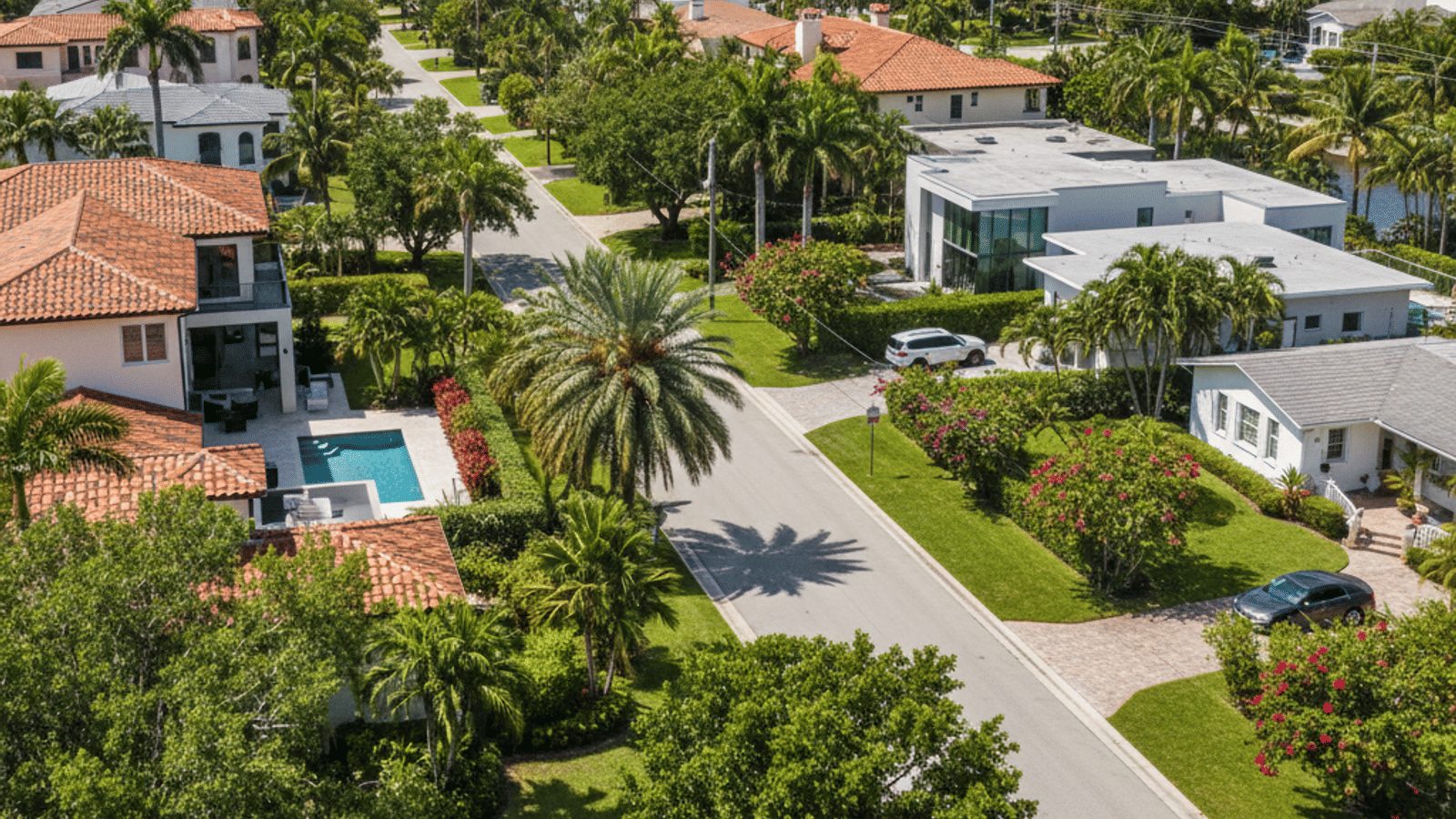
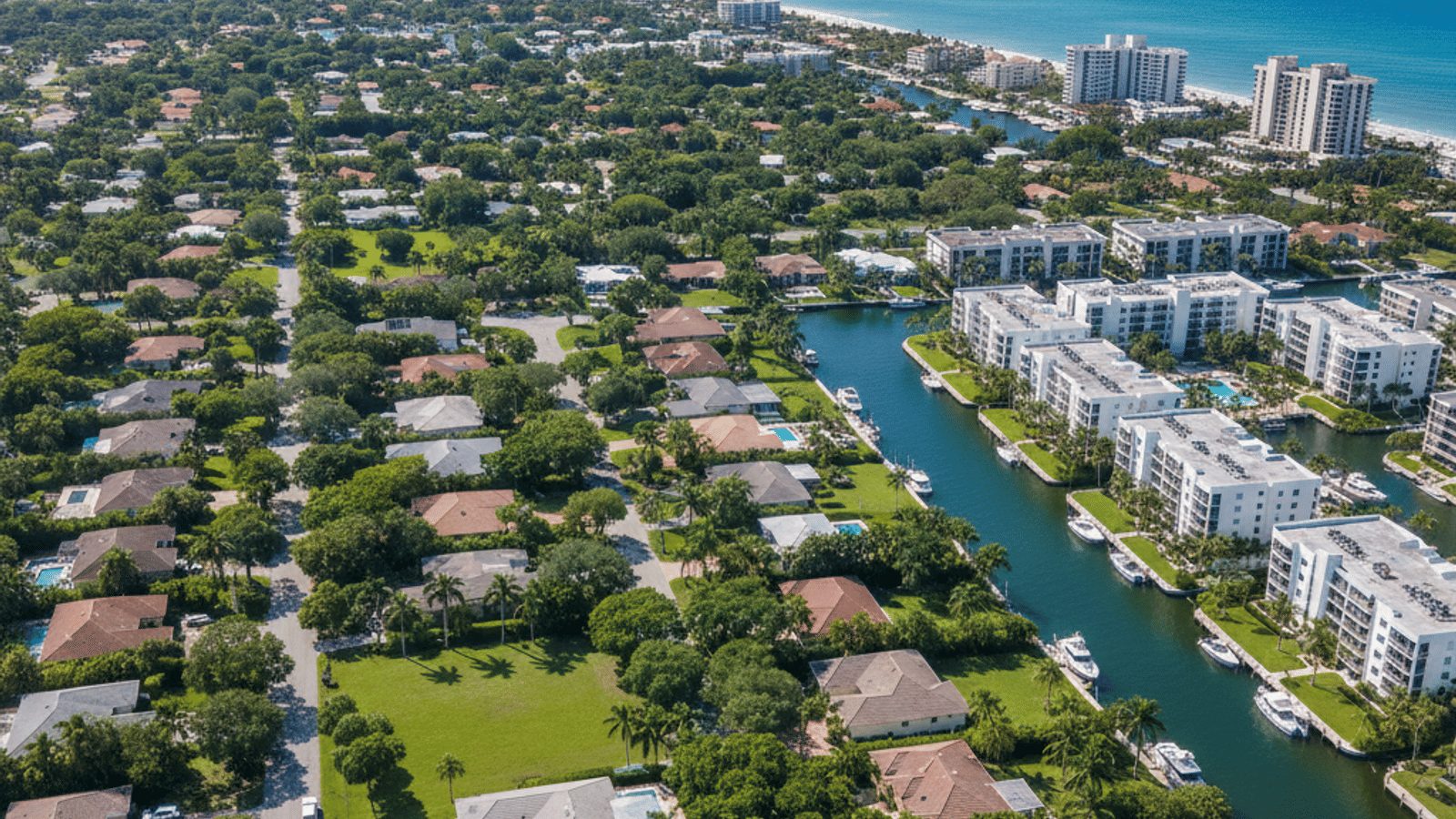
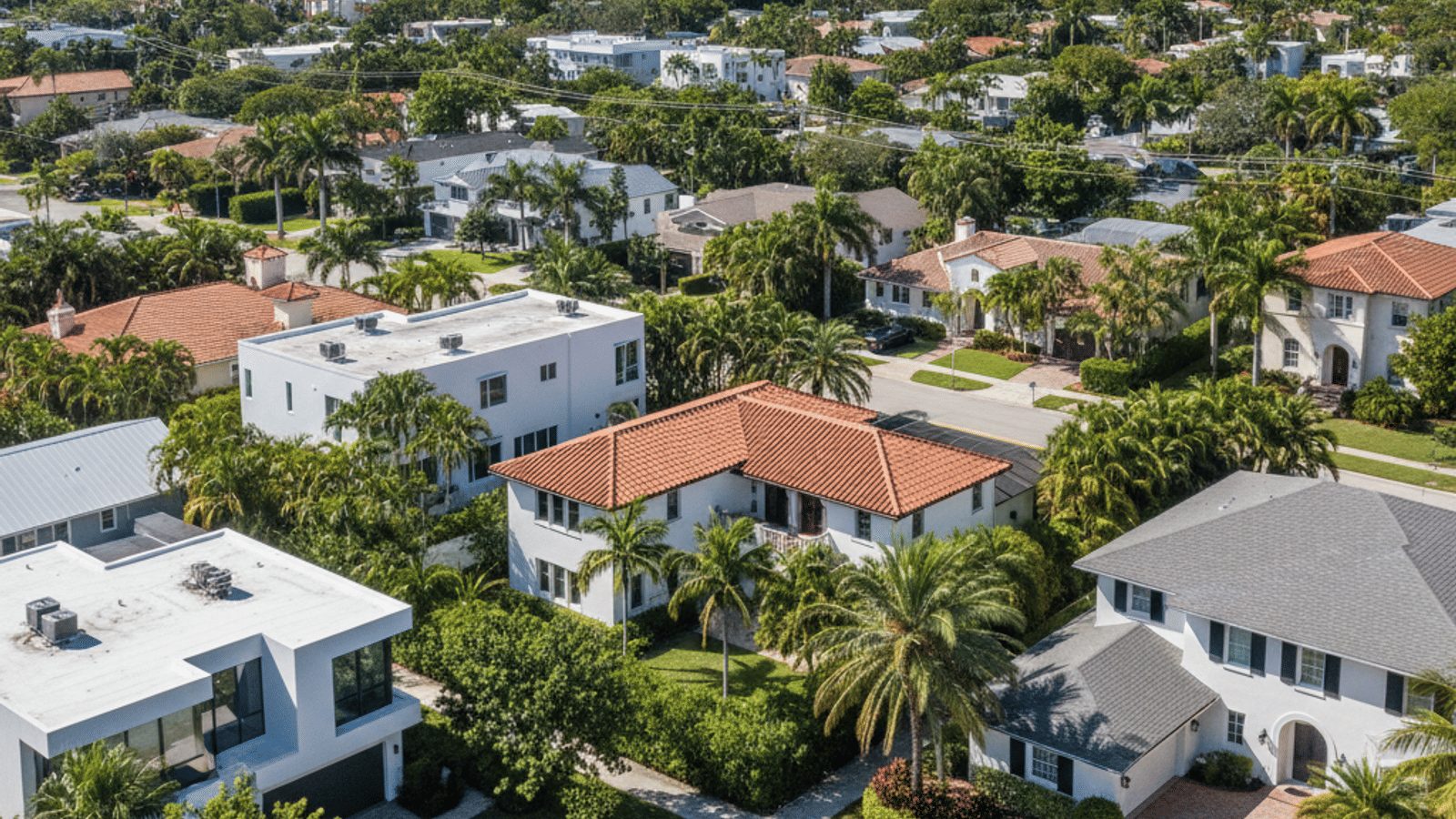
Fort Lauderdale used to be known mostly for beaches and spring-break crowds. That label is years out of date. Tech startups trickle down from Miami, remote workers soak up the sun year-round, and the city government keeps widening canals and upgrading flood-control pumps. Helpful, because sea water occasionally insists on visiting the sidewalks.
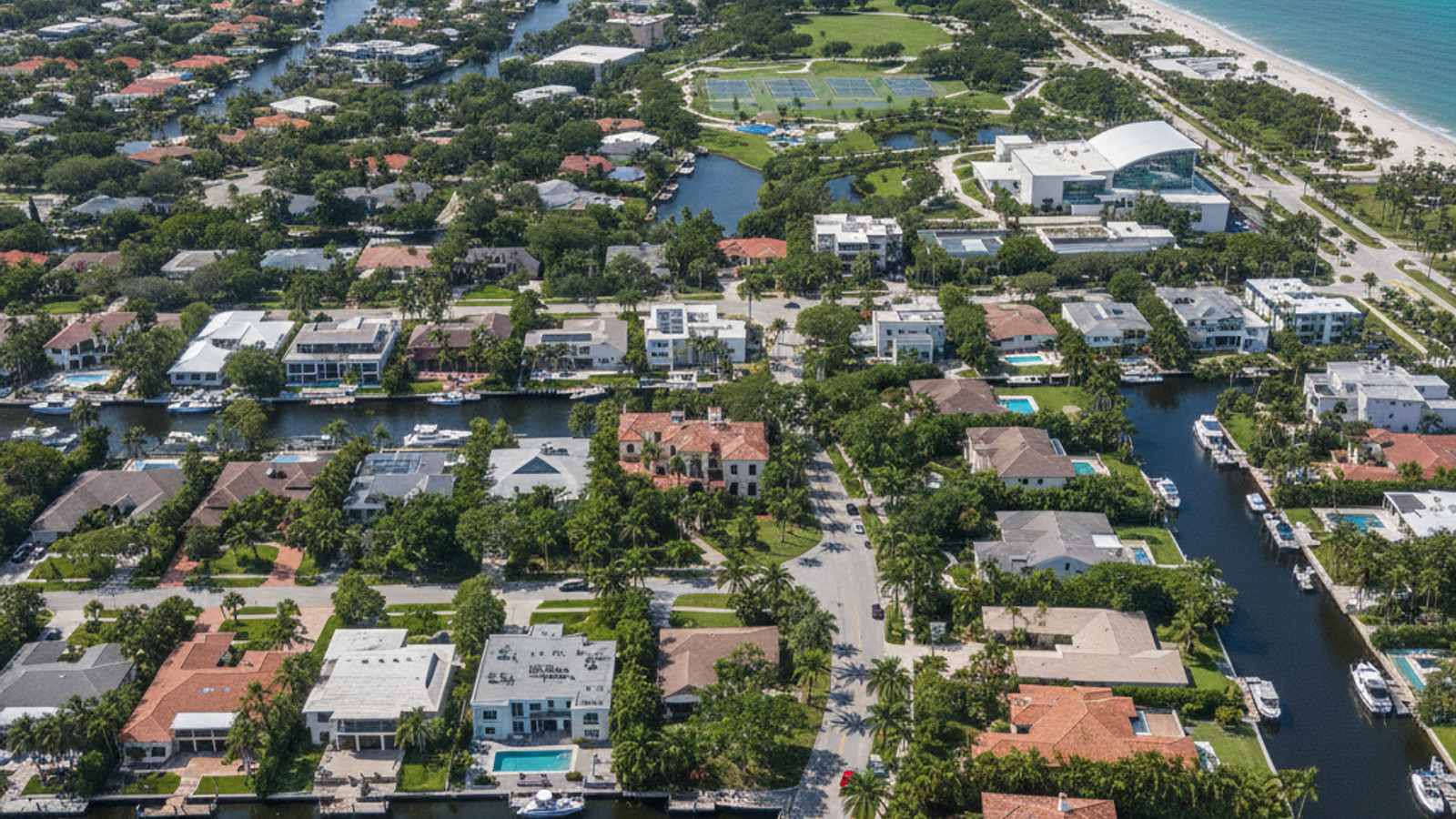
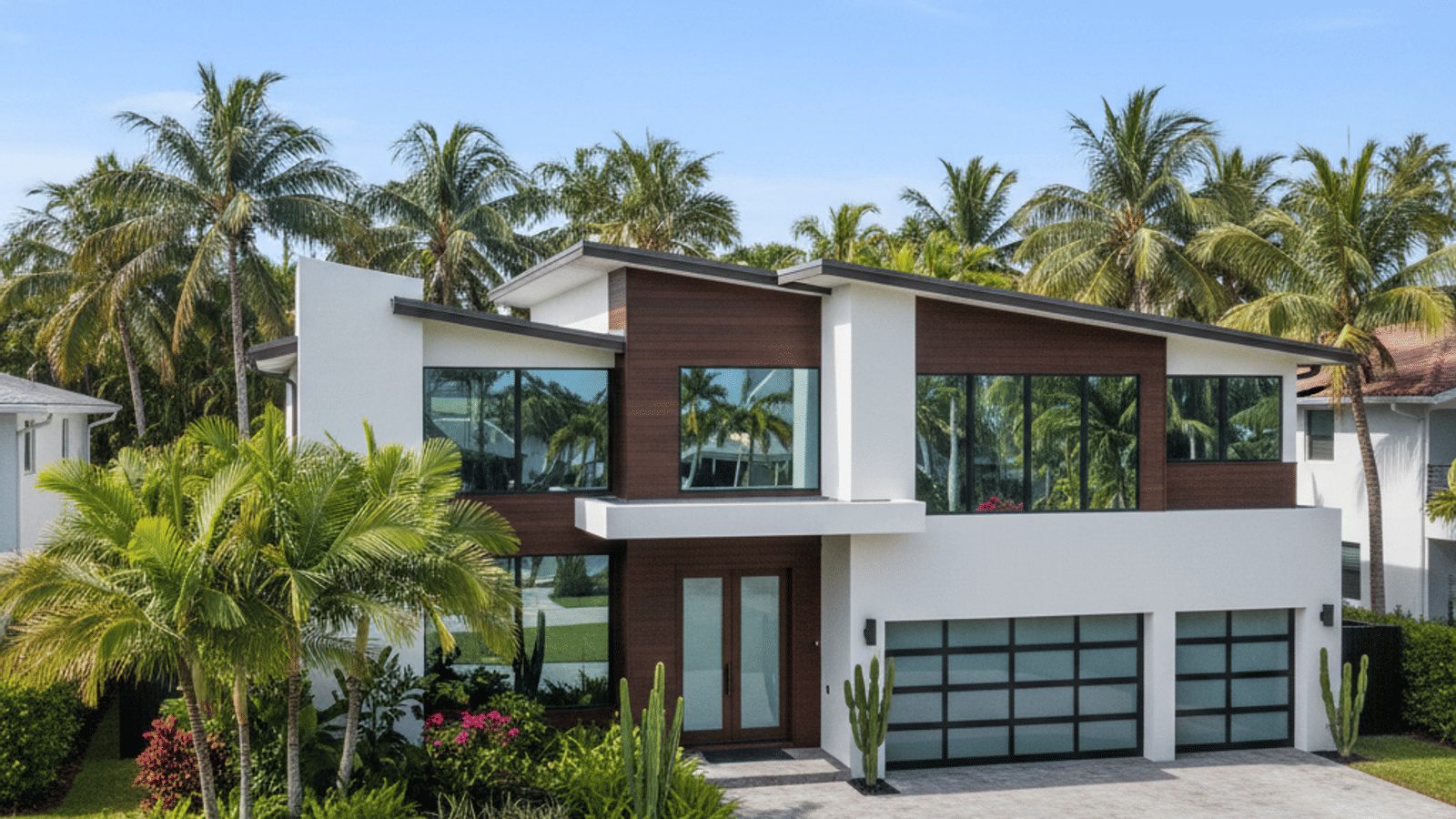
Median sale prices have been rising about five to seven percent per year since 2019, yet month-to-month swings look like a roller coaster. One five-bed with deep-water dock space closed forty thousand below ask in February, then a near copy two streets over sparked a bidding war in May. Timing matters more here than spreadsheets admit.
Inventory dances in rhythm with the tourist calendar. When northern visitors arrive between December and March, interest spikes and listings multiply. When humidity climbs and snowbirds fly home, everything slows. But that is the zoomed-out view. You deserve a closer lens.
Spring in Fort Lauderdale (March through May)
One word: inventory.
Homeowners who waited out winter now rush to list while yards look lush and pool heaters are still working overtime. That means choices, especially in the mid-range from 500k to 900k. Builders release fresh spec homes right after final inspections wrap in late February, eager to clear them before hurricane season paperwork gums things up.
Pros:
- More listings hit the portals every single week. You can be picky about backyard size, canal width, or proximity to the Brightline station.
- Days on market tend to be shorter, yet bid spreads, strangely, stay within three percent of ask. Sellers want movement more than moon-shots.
- Contractors have empty slots after snowbird renovation rushes end in March, so you can lock in upgrades quickly.
Cons:
- Out-of-state buyers on vacation crank up competition, especially for anything within golf-cart distance of Las Olas Boulevard.
- Prices bump higher because everyone thinks “spring is prime.”
- Afternoon thunderstorms start rolling in around May. Inspection windows get rained on. Roofers get backed up.
Pro move: Shop during the last two weeks of May. Many vacation buyers are already heading home. Meanwhile listings that launched in March have chalk dust on their lockboxes. I have nudged sellers ten percent below list during that exact slice of the calendar. Try it.
Summer (June through August)
Locals call it sauna season. Humidity hovers in the star-ninety range, tropical storms circle maps on nightly news, and visitor counts fall. That changes the tone of negotiations instantly.
What you will notice:
- Fewer homes hit the market, yet the ones still sitting there get price chops every few weeks.
- Cash buyers thin out until mid-July, giving financed buyers breathing room.
- Inspectors are less slammed. You can schedule a roof drone flyover in two days rather than two weeks.
Hidden data point most outsiders miss: property insurance carriers finalize rate filings mid-summer. Any big hike headlines push borderline sellers to bail out before renewal dates. Look for listings that mention “new roof credit” or “wind mitigation report ready.” These homeowners are waving a white flag.
Potential snags:
- Hurricane watches tighten escrow timelines. A named storm entering the “cone” can freeze insurance binders, delaying closings. Build an extra ten business days into contracts.
- Heat makes all-day house-hunting brutal. Book showings for 9 a.m. or you will melt.
Still, if you can stand the sweat, mid-to-late August often delivers the steepest discounts of the year. During one sticky August I helped buyers snag a waterfront townhouse at 85 percent of original list. The seller wanted to hit the road before peak storm season, so we inked the deal in forty-eight hours. No secret handshake, just timing.
Fall (September through November)
Think of fall as the city catching its breath. The worst of hurricane risk is past by late October, humidity dips, and locals who held off listing during storm season jump in.
Inventory picks up again, yet buyer traffic stays sleepy until mid-November. That odd overlap is gold for bargain hunters.
Why fall feels different:
- Appraisers reset comps after summer’s discounted sales, so list prices start conservative.
- Contractors freed from storm-prep work chase renovation gigs. If you want to blow out a kitchen wall, you will get fast quotes.
- King tide season peaks in October. Schedule showings during a high-tide day. If water laps at the driveway then, you gained priceless intel that glossy listing photos never reveal.
Drawbacks:
- Less daylight. Evening showings mean flashlights and mosquito spray.
- Travel schedules get crazy near Thanksgiving, so lenders can drag their feet. Keep closing dates flexible.
The sleeper advantage no one talks about? The Fort Lauderdale International Boat Show lands in late October. Thousands of yacht enthusiasts flood the city, clogging hotels and short-term rentals. Some second-home owners move their own travel dates to avoid the crowds and quietly list properties off-market just to see if anyone bites. A tuned-in buyer’s agent can sniff those out.
Winter (December through February)
Tourist season flips the switch. Restaurants jam, beach parking evaporates, and real-estate inventory surges. Many sellers believe winter visitors will pay a sunshine premium. That can be true for oceanfront trophies, yet the rest of the market behaves in more nuanced ways.
Winter opportunities:
- Corporate bonuses drop in December, so some luxury sellers list expecting a windfall buyer. If that buyer never materializes by late January, price drops follow.
- Homestead exemption rules freeze property value on January 1. Owners who decide to move afterward cannot claim the new exemption anyway, so they often prefer to close fast and dodge another year of taxes.
- Snappy weather boosts curb appeal. A backyard that feels meh in midsummer can look resort-level in mid-January.
Challenges:
- Showings overlap with tourists scouting “maybe someday” homes. They are sightseeing, you are buying. Stay patient.
- Bidding wars pop up around waterways and walkable downtown spots.
- Service professionals max out. Appraisers juggle six-day weeks, inspectors triple-book, and moving companies know they hold the power.
If you are willing to shop during the narrow window between New Year’s Eve confetti and Super Bowl traffic, you can catch motivated sellers and less-motivated tourists. One client closed on January 12 when two competing offers evaporated as their buyers got lured by cruise-ship side trips.
Beyond Seasons: Five Local Forces That Rewrite the Calendar
Timing a purchase in Fort Lauderdale is not only about weather and tourist ebb. Several under-the-hood factors shift value by the month.
1. Flood-insurance premiums
Federal maps update on an irregular schedule, yet private insurers tweak rates every spring. Contractors hurry to elevate AC units or swap garage doors before the new tables land. If you shop right after new premiums release, you can gauge long-term cost, not guess.
2. Port Everglades expansion
Dredging schedules and rail-spur upgrades might not sound sexy, yet they boost local jobs and rental demand. Groundbreaking work is set to kick off next year and property near Andrews Avenue could see a ripple effect. Keep an eye on project milestone press releases.
3. Brightline rail connectivity
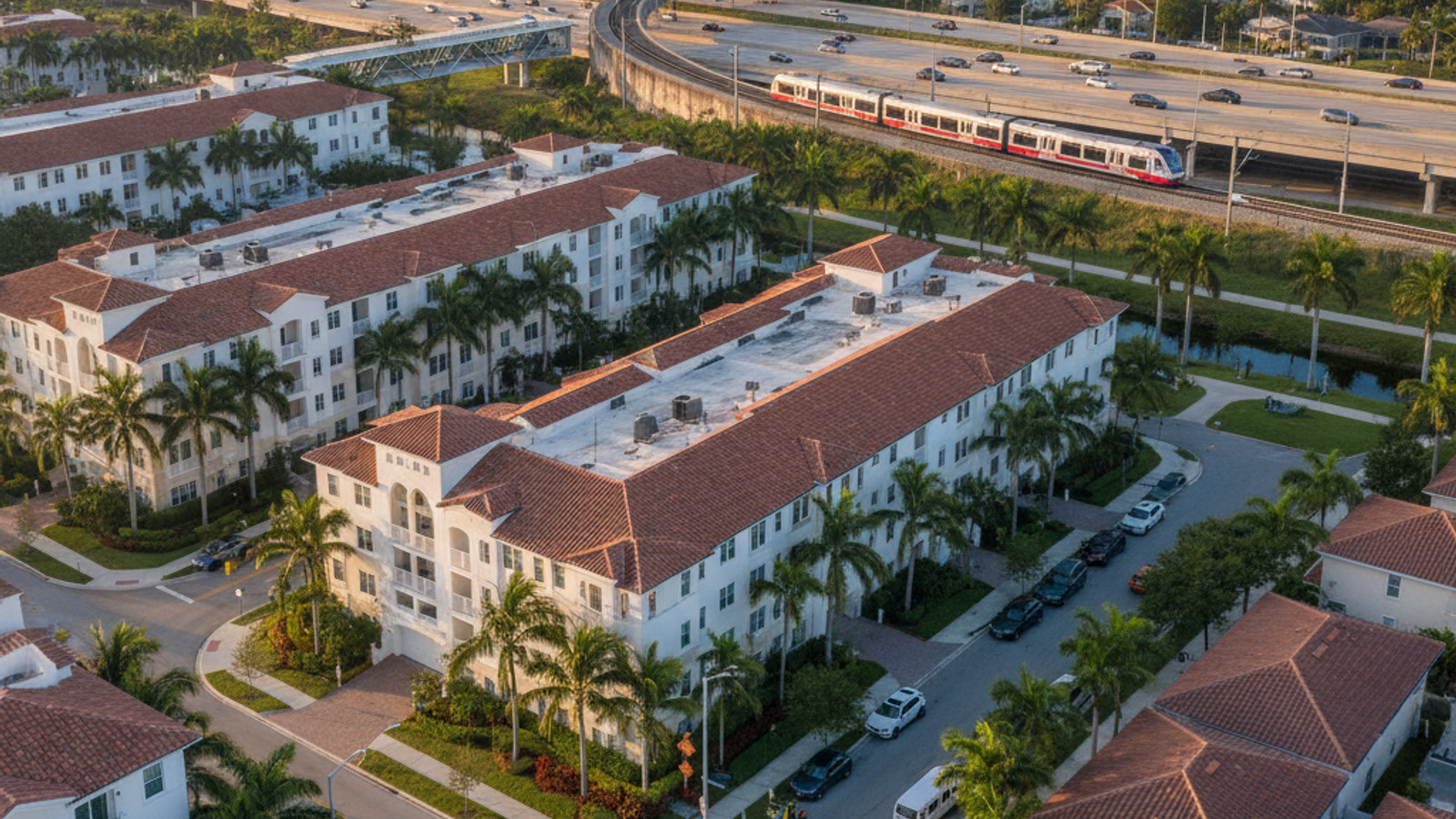
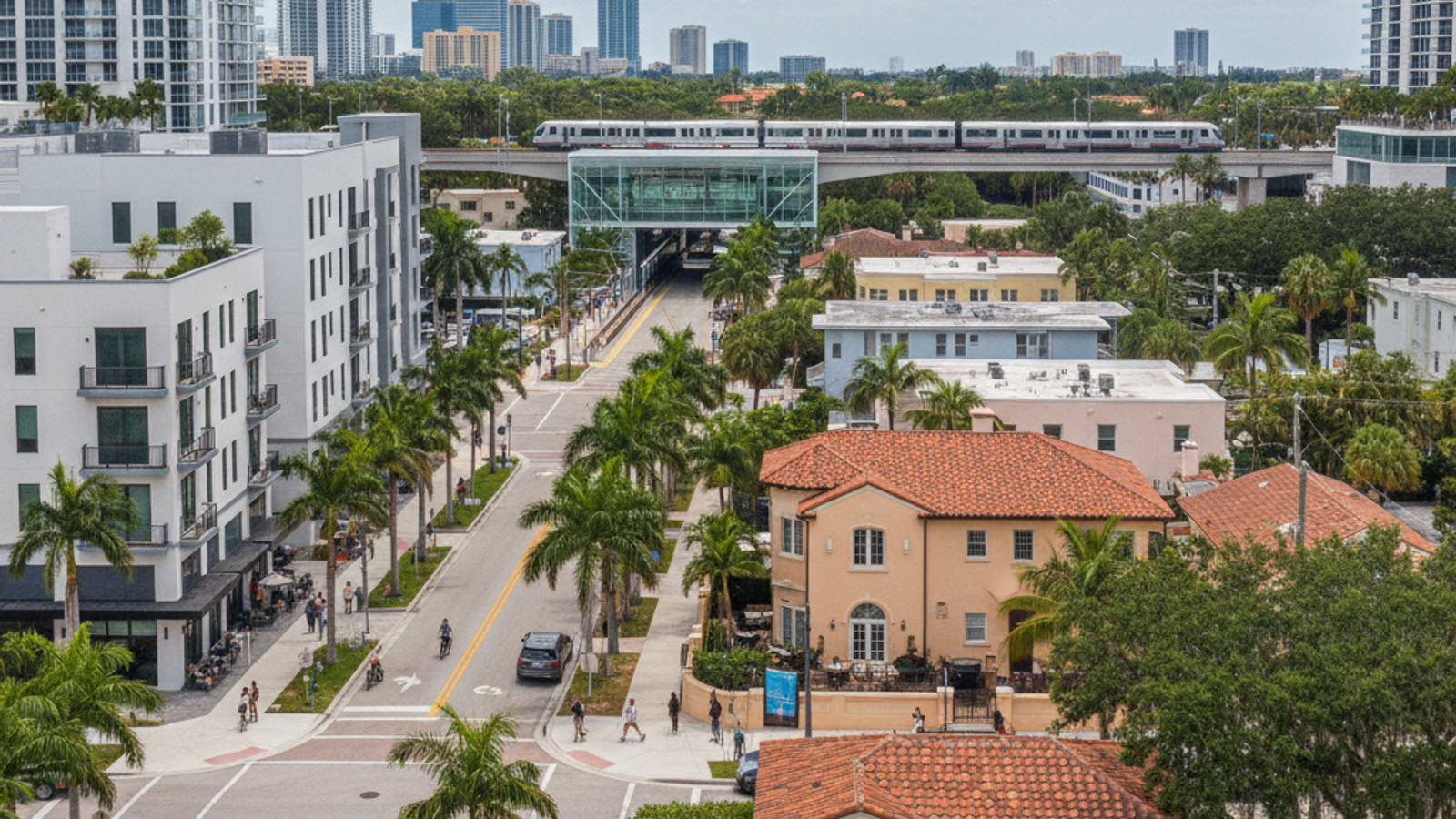
The high-speed train now links Miami to Orlando with a stop downtown. Commuters who once skipped Fort Lauderdale are suddenly eyeing condos within scooter range of the station. Listings within a mile rarely sit long once ridership numbers climb each quarter.
4. Building-code cycles
Florida tightens wind-resistance rules about every three years. Properties that already meet the newest uplift standard jump in value overnight because buyers avoid the headache of retrofits. The next code revision is slated for 2025. Watching that timeline can save you five figures.
5. Insurance carrier shake-ups
When a carrier liquidates, the state run take-over company passes costs back to homeowners fast. Analysts often whisper about trouble months in advance. Your agent should follow those whispers. If they hint at a shake-up, snag a policy early and close before surcharge announcements.
Pros and Cons of Each Season in One Quick Glance
High season, off season, shoulder season. Buzzwords get tossed around. Let’s simplify.
Spring
+ Options everywhere, active seller mindset
– Competition, sporadic rain interruptions
Summer
+ Deep discounts, relaxed inspectors, fewer tourists
– Storm name roulette, drippy heat, possible insurance delays
Fall
+ Realistic list prices, king tide transparency, boat-show pocket listings
– Shorter days, holiday travel hiccups
Winter
+ Inventory spike, sharper curb appeal, tax timing leverage
– Crowds, higher service costs, pockets of bidding wars
Your decision boils down to one question. Do you crave selection or negotiation leverage? Rarely both at once.
Pulling the Trigger With Confidence
Numbers first. Review three months of closed-sale data instead of headline medians. Drill into price-per-square-foot by zip code. Victoria Park moves differently than Riverland.
Next, scout flood-zone letters, upcoming code cycles, and local megaprojects. Florida is project central right now. One new seawall ordinance or commuter rail spur can tilt values within weeks.
Then, track insurance chatter. Two phone calls will do. Ask a local broker what policy binding times look like and which carriers are wobbling. If they pause too long before answering, that is your clue to build a cushion into contract dates.
Finally, time the human side. Selling is emotional. Aim for moments when owners feel tired. End of August after a sweltering summer. Mid-January when holiday décor looks passé. Five days after a tropical storm skimmed the coast and tree branches still litter yards.
That is when deals happen.
Ready to Make a Move?
Fort Lauderdale’s market never stops breathing. It inhales in winter tourist season, exhales during summer storms, and flutters a little around every boat show, rail upgrade, or insurance shake-up. No single month guarantees a bargain, yet patterns absolutely exist.
Grab a calendar. Mark mid-May, late August, early November, and post-New-Year week. Those windows historically pack the most motivated sellers or the least competition. Dial in on neighborhoods that fit your lifestyle, keep an ear out for insurance rumblings, and stay flexible on closing dates.
Do that and you will spot opportunity long before the crowd swarms the listing. Your perfect Fort Lauderdale home might be one well-timed offer away.