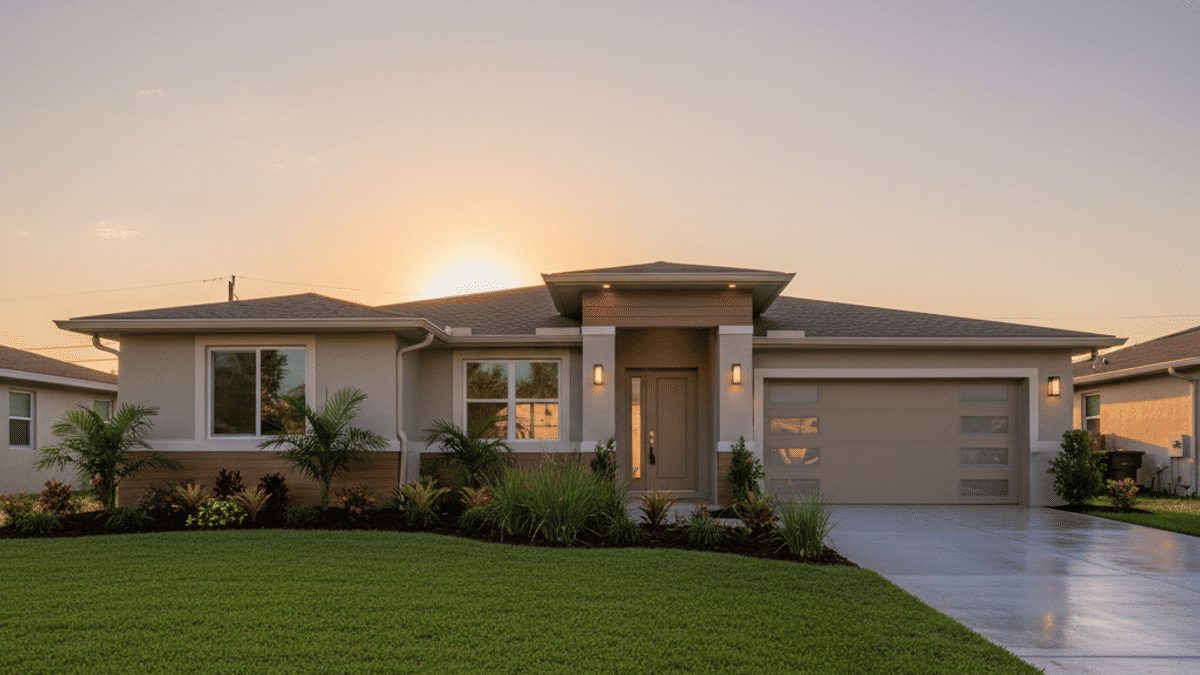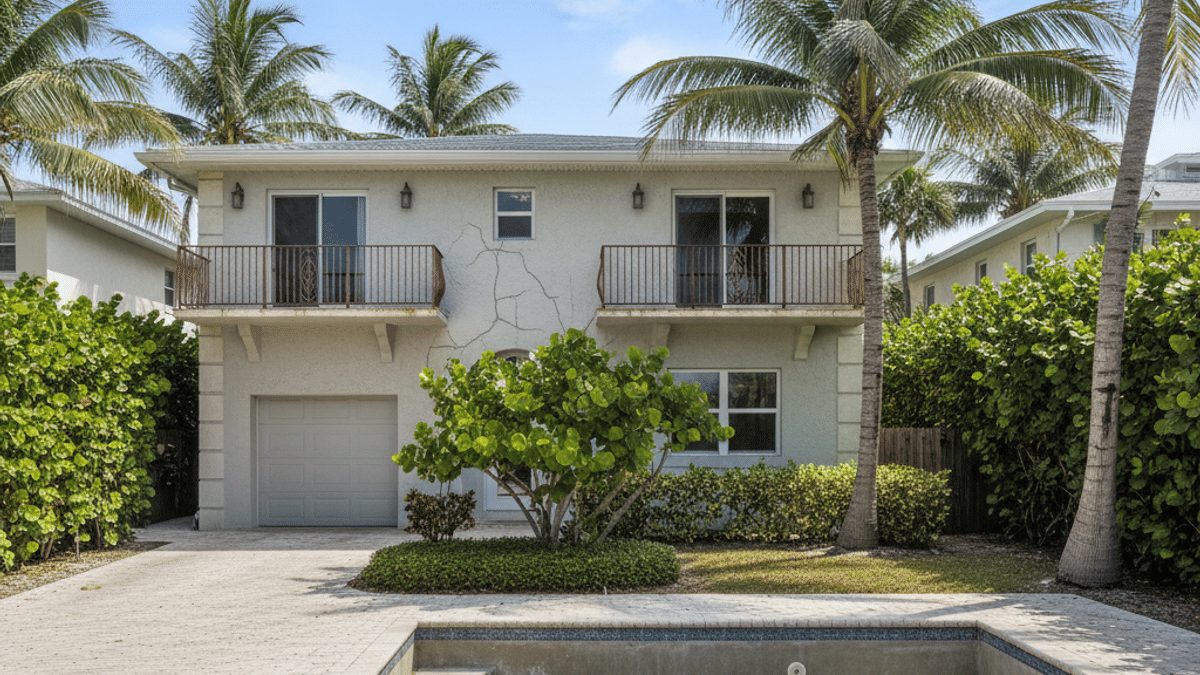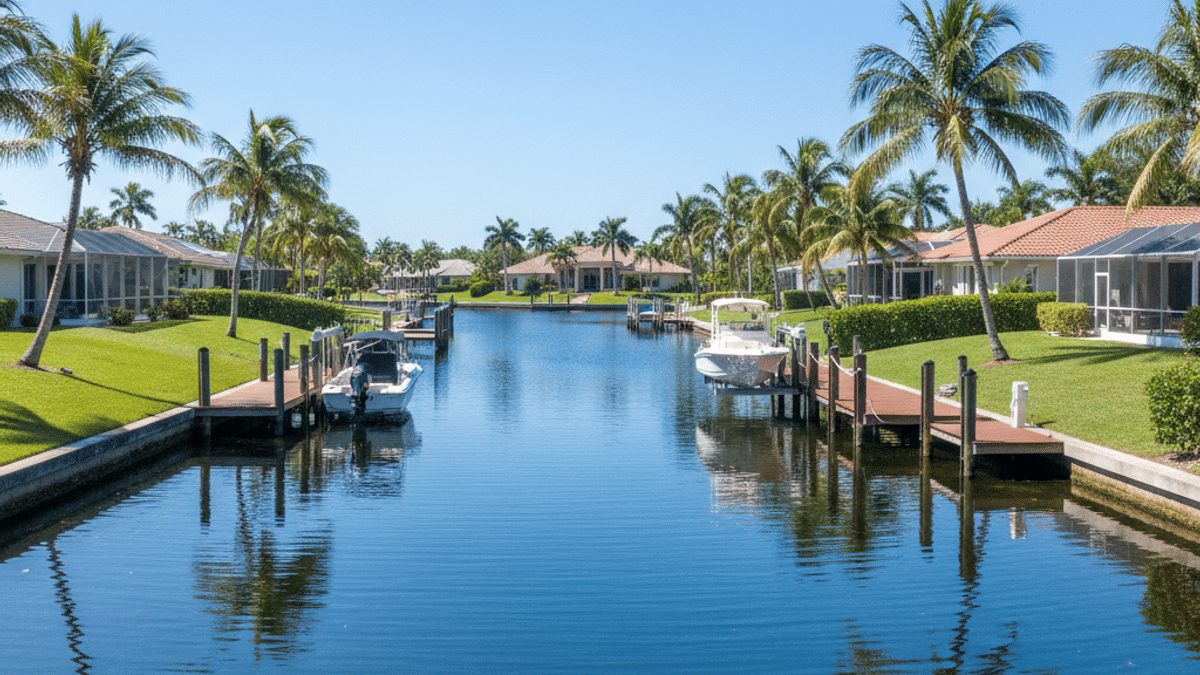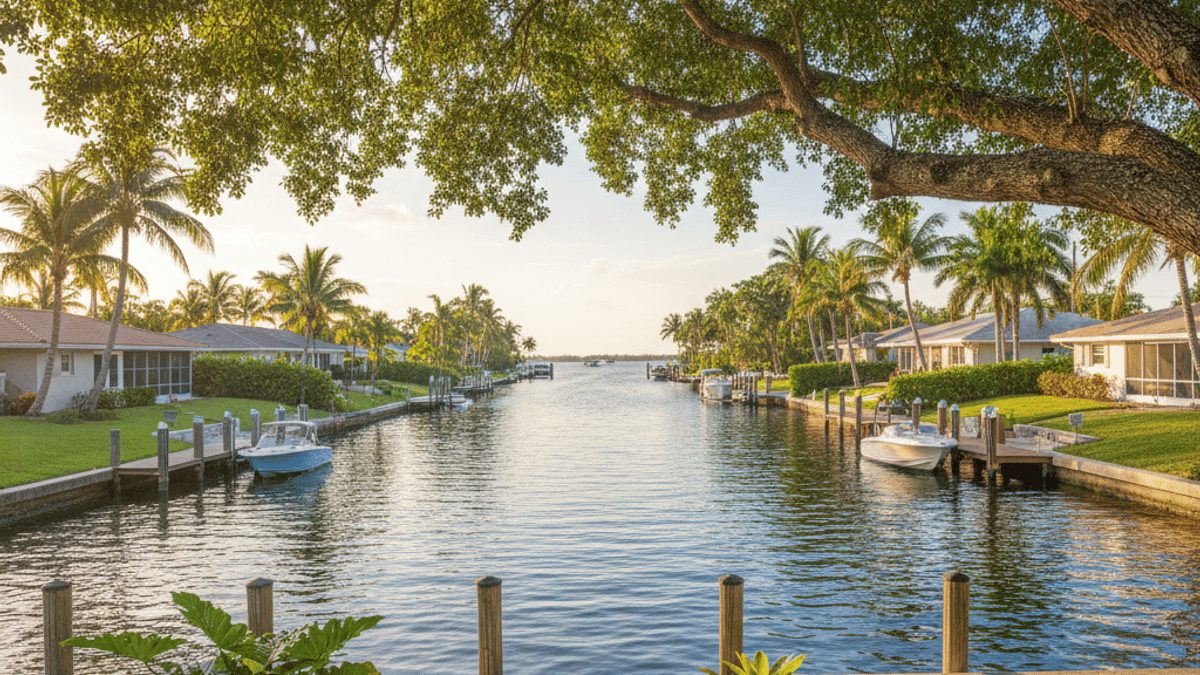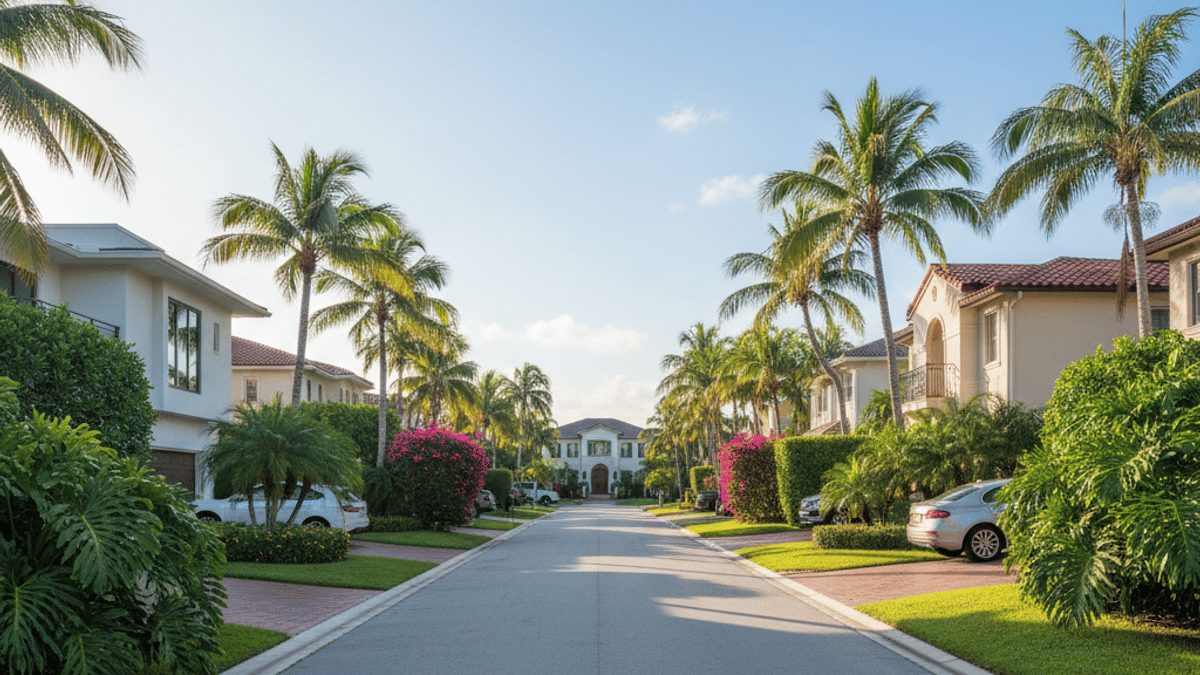
So you’re eye-ing the sand-and-sun capital of Broward County for your very first set of house keys. Smart move. Fort Lauderdale keeps morphing from pure vacation hub into a bona-fide hometown for remote workers, boat lovers, and anyone who thinks winter coats are overrated. Still, snagging a starter home here in 2025 is nothing like it was even five years ago. Prices, insurance, condo rules—everything’s shifting under your feet. Let’s steady the ground.
You’ll learn:
- Why today’s local pricing looks weirdly lopsided
- Which down-payment grants actually fund on time
- How 2025 lending rules tilt in your favor (or don’t)
- Small-print costs too many rookie buyers miss
Grab a cafecito. We’re diving in.
What’s Really Going On With Prices Right Now?
Sticker shock is real. Median single-family price in Greater Fort Lauderdale bounced between $560K and $585K through most of 2024, according to Broward, Palm Beaches & St. Lucie Realtors®. That’s up about 47 % from pre-pandemic numbers. Condos? Averaging roughly $280K, but high-rise HOA fees keep climbing, so the monthly outlay can feel just as punchy.
Three forces drive it:
- Inventory’s still thin: Resale listings hovered around 2.8 months’ supply last quarter—half of what economists call “balanced.” Translation: sellers hold more cards.
- Insurance headaches: Carrier pullouts after recent hurricanes nudged some owners to sell sooner than planned, yet replacement premiums scare off would-be move-up buyers, so a chunk of houses simply never hit the market.
- Remote-work migrants: Since 2020, roughly 36 % of South Florida first-timers earned paychecks from out-of-state employers (Florida Housing Finance Corp. survey). Bigger paychecks, bigger bids.
That mix breeds a yo-yo pattern: one week 12 bids on a Wilton Manors cottage, the next week a Dania Beach ranch lingers 40 days. Don’t let the averages fool you—micro-markets rule here.
Fast stats you won’t see on page 1 of Google
- 41 % of Fort Lauderdale first-timers in 2024 bought in flood zone X (lowest risk) even though zones AE & AH offered cheaper list prices. Insurance uncertainty trumped bargain hunting.
- 32 % of condo buyers used cash for at least 30 % of purchase price to squeak past stricter condo-review requirements that kicked in after the Surfside tragedy.
- Roughly 18 % of first-time buyers pulled money from a Roth IRA—a legal but underused tactic because withdrawals of contributions stay penalty-free.
Useful? Keep those in your back pocket.
Local & State Programs Nobody Explains Clearly
Big misconception: every assistance option is income-restricted to the point of uselessness. Wrong. Several let you earn six figures and still qualify.
1. Broward County Homebuyer Purchase Assistance (HPA)
- Up to $80,000 in silent second mortgage funds for down payment and closing costs.
- 0 % interest, no monthly payments, forgiven after you occupy the property for 15 years.
- 2024–25 income ceiling for a household of two hovers around $97K (80 % of area median). Check the newest chart each spring; they tweak it.
- Funds get reserved once you sign a contract, but you need an underwriting approval from a participating lender first. Translation: line up that lender before weekend open-house tours.
- Tip most people miss: the HPA team releases its new funding tranche in October. Contracts written in late summer often scramble for leftovers. Not fun. Time it right.
2. Fort Lauderdale Community Redevelopment Agency (CRA) Incentives
Niche, yes. If you buy within the Northwest-Progresso-Flagler Heights redevelopment zone, you may stack an extra $40K forgivable loan on top of county money. The catch? Resale restrictions for five years. Still worth examining if you’re comfortable staying put.
3. Florida Hometown Heroes 2.0 (rolling out Jan 2025)
- You may have heard of the original version for teachers, nurses, cops. The legislature quietly funded a broader sequel. The new rules:
- Up to 5 % of purchase price (cap $35,000) at 0 % interest, repayment only when you sell or refi.
- Open to ANY first-time buyer working 35+ hours a week for a Florida-based employer—not just “heroes.”
- FICO minimum 640, debt-to-income cap 50 %.
- Combine with FHA, VA, USDA or conventional loans.
- Why it matters: many Fort Lauderdale service-industry staff previously earned too little to meet DTI on soaring prices. A beefier assist plus now-settling mortgage rates (see below) widens the door.
4. Florida Assist (FL Assist) + Florida Plus
Standard fare inside the Florida Housing toolbox, but still underutilized. You can sandwich $10K from FL Assist (deferred second) with a 3% HFA Preferred mortgage, shaving monthly PMI compared with a straight FHA route. Works best if your credit score sits above 680 and your down-payment savings are thin.
5. Mortgage Credit Certificates (MCCs)
Not new, just underrated. An MCC chops up to $2,000 off your annual federal tax bill by letting you reclaim 20-50 % of mortgage interest. Florida Housing paused this during 2024 because of funding gaps, yet it’s slated to return mid-2025. Keep an eye out—every dollar matters when insurance premiums feel like a second mortgage.
Program stacking gets tricky. Pair up with a lender who’s closed at least ten Florida Housing deals in the last year. Ask the question outright. If they hesitate, keep shopping.
The 2025 Money Picture: Rates, Rules, Surprises
Where are 30-year rates headed?
Most economists—Fannie Mae, MBA, Freddie Mac—forecast a glide into the mid-5 % range by late 2025. Today we’re wobbling around 6.25 %. Every .5 % drop lifts your buying power roughly 5 %, which on a $500K property equals $25K more headroom. File that under “maybe.” Don’t anchor your plan to the crystal ball.
Loan types that suddenly make sense
- 5/6 adjustable-rate mortgages tied to SOFR. Lenders cap first adjustment at 2 %, and the initial rate often sits a full point below the 30-year fixed. If you know you’ll refinance once rates settle, a 5/6 can bridge the gap.
- FHA 203(b) + EEM add-on: Energy Efficient Mortgage bump lets you fold $8K–$15K of hurricane-rated windows into the loan without re-underwriting. Cheaper wind coverage later.
- Conventional 97% with HomeReady twist: Area median income limit in Fort Lauderdale is about $84K. If you’re under that, you snag discount PMI and underwriting flexibility—solid play for room-mates or young couples splitting the payment.
The “hidden” wallet-busters
- Wind-storm insurance deductibles: Many policies now use a 5 % hurricane deductible. On a $550K dwelling that’s $27,500 out-of-pocket after a storm before carriers pay a penny. Budget the rainy-day fund.
- Condo reserves law SB-4D: Effective by end of 2024, associations must fully fund structural reserves. Expect $150–$300 extra monthly assessments in mid-rise buildings built before 1992.
- Flood maps update: Broward County’s preliminary FEMA maps publish mid-2025. A few inland pockets (Melrose Park, parts of Riverland) shift from Zone X to AE. If you’re under contract during the changeover, your lender may add flood insurance days before closing. Build a cushion.
How To Compete Without Lighting Your Budget On Fire
Rule 1: Offer structure > offer price
Cash riders like “Appraisal Gap Coverage” drained wallets in 2022. They’re no longer standard fare, but inspection “right to cancel” periods are shrinking again. Split the difference:
- Keep inspection window at seven days, not five.
- Write seller a flat $2,000 credit if repairs exceed $5,000. Many sellers bite because it caps surprises.
- Escalation clause? Cap it $10K above highest verified offer, not unlimited. Saves you from an emotional overshoot.
Rule 2: Earnest money timing trick
Instead of dumping the whole 3 % deposit upfront, wire $2,000 within 24 hours, then the remainder after inspections. Shows sincerity yet protects your cash if you bail on bad roof findings.
Rule 3: Pre-underwrite, not pre-qualify
Forty percent of offers still rely on quickie internet letters. A fully underwritten approval (conditions: title, appraisal, insurance only) lets you close in 21 days and often beats a higher-priced offer. Lenders do it free because they want your deal; you simply upload docs before you shop.
Rule 4: Condo doc reconnaissance
If you’re hunting condos, ask for:
- most recent reserve study
- proof of Milestone Phase I report (state deadline passed 12/31/24)
- budget vs. actuals for two years
Send them to your insurance agent and lender BEFORE bidding, not after. You’ll know if the building fails the 10% reserve rule or if litigation blocks financing. Saves heartbreak.
Closing Table Potholes You Can Dodge
- Estoppel letter delays: HOA/condo management companies can legally take 10+ business days. Pay the “rush fee” (~$100) upfront or risk missing contract deadlines.
- 4-Point & Wind-Mit inspections: If the home is older than 25 years (15 for some carriers), your insurer will demand them. Schedule the inspector the same morning as the general inspection to limit multiple tradespeople tracking mud onto the floors.
- Title examination of seawalls: Waterfront parcels often feature shared seawalls w/ neighboring lot lines. Make sure title draws an easement map. Unknown repair obligations run five figures.
- Survey gap encroachments: Many buyers waive a new survey to save $400. But if the seller’s old survey is pre-2000, zoning setbacks changed. Don’t wing it.
When the clear-to-close email hits, review the Closing Disclosure’s “Cash To Close” line. Compare against your earlier Loan Estimate. Variances over $500 need explanation. Every. Single. Time.
After The Keys: Keep Your Wallet Safe
- File for Florida Homestead by March 1. Shaves roughly $800/yr off property taxes on a $400K assessed value and caps annual increases at 3 %.
- Apply for Broward’s wind-mitigation credit if you upgrade openings or roof; it can drop premiums 20 %.
- Set aside 1 % of home value yearly for maintenance. For a $500K house, that’s $5K—less flashy than new patio furniture but saves you when the AC coil conks out in July.
- Track HOA meeting minutes monthly. Early warning for special assessments.
2025: Market Outlook (a quick peek)
Fort Lauderdale’s planning department forecasts 8,100 new residential units hitting the pipeline by late 2026, with roughly 37 % aimed at owner-occupants. If supply gains stick and mortgage rates soften, price growth could flatten to 2–3 % annually—manageable compared with the 9 % jumps of 2021–22.
Yet insurance and climate-driven regulation will keep overall monthly payments volatile. The smart first-timer doesn’t chase list price alone; they chase total cost of ownership. Run the math every refresh of the MLS.
Quick-Fire Checklist Before You Tour That Next Open House
Just skim this each Saturday morning:
- Do I have a fully underwritten approval in hand?
- Is my down-payment grant reservation letter dated and signed?
- Did I pull preliminary insurance quotes on the address?
- Do I know expected HOA dues two years out (post-SB-4D reserves)?
- Have I budgeted 3 % for closing costs plus a $3K cushion?
- Am I ready to walk away if inspections scream “money pit”?
Answer “yes” down the board—then go.
Ready To Make A Move?
Fort Lauderdale treats first-time buyers to ocean breezes, year-round farmers markets, and boat parades that clog every canal on a random Wednesday night. It also throws curveballs in the form of steep insurance, surprise assessments, and bidding wars that seem ripped from a reality show.
Now you know the levers—grants, loan tweaks, negotiation angles, the post-Surfside condo rulebook. Put them to use. Your 2025 goal isn’t just to close; it’s to close with breathing room.
Need a lender who’s wrangled Florida Housing files all day? Hunting a buyer’s agent who can decode flood certificates before the listing agent even picks up the phone? Reach out. Let’s turn that “someday” plan into a fresh set of keys dangling in your palm.