First Things First: A 60-Second Snapshot
Sunny shoreline, designer shopping, huge coconut palms swaying like they own the place. That image pulls newcomers in, yet Boca Raton is more than a glossy postcard. Population hovers near 102,000 and the census team reports a slow-but-steady annual uptick of about 1.4 percent. The 2025 housing charts tell an interesting story too: median sale price sits close to $697,000, about 12 percent softer than last year, while active listings jumped 17 percent. Translation: inventory finally outpaces demand in several pockets. Still, taxes, insurance premiums, and storm prep remain part of the bargain. Keep reading and you’ll see four must-know angles before signing a lease or writing that offer.
The Housing Pulse: Prices, Inventory, and Timing
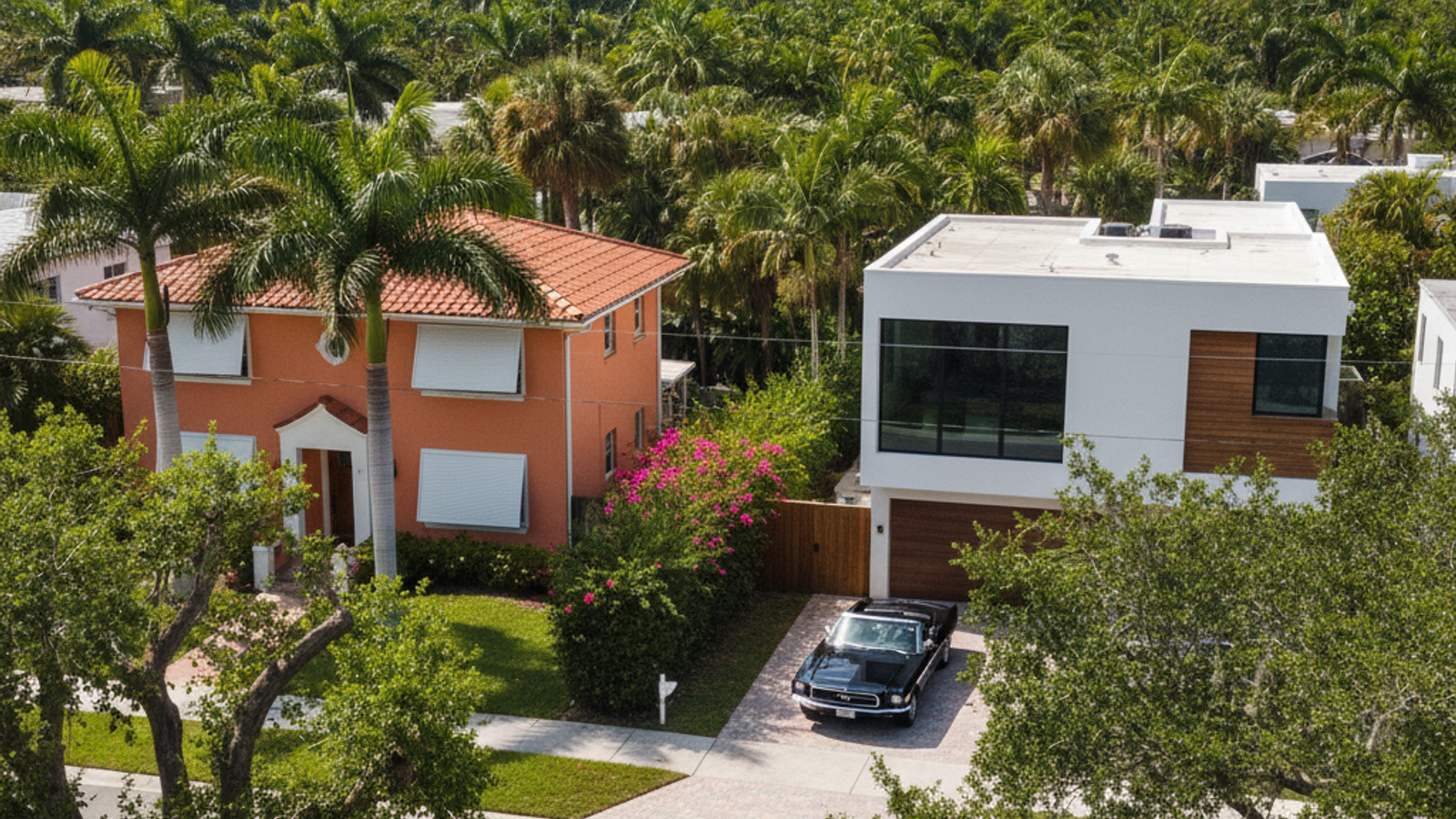
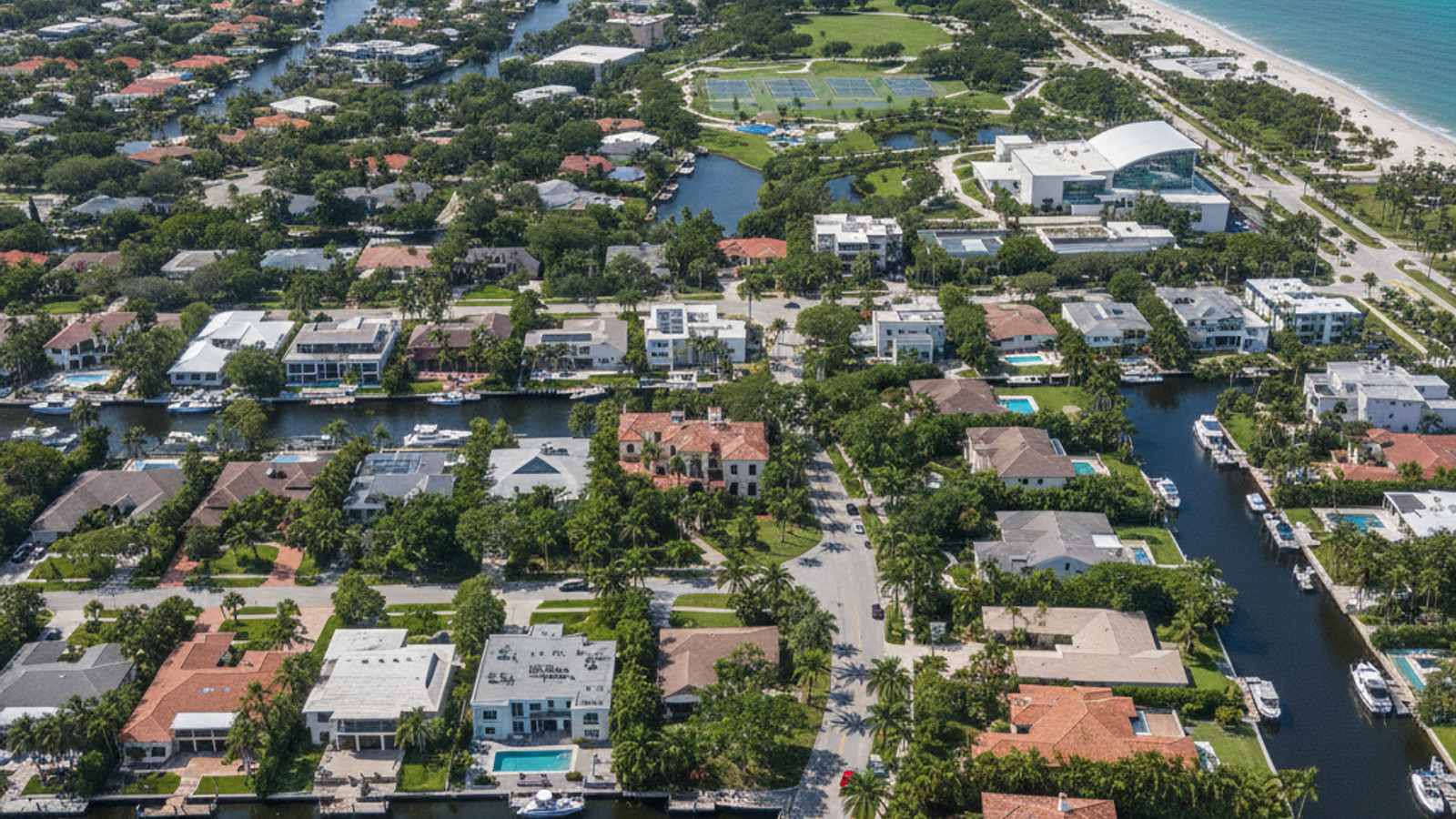
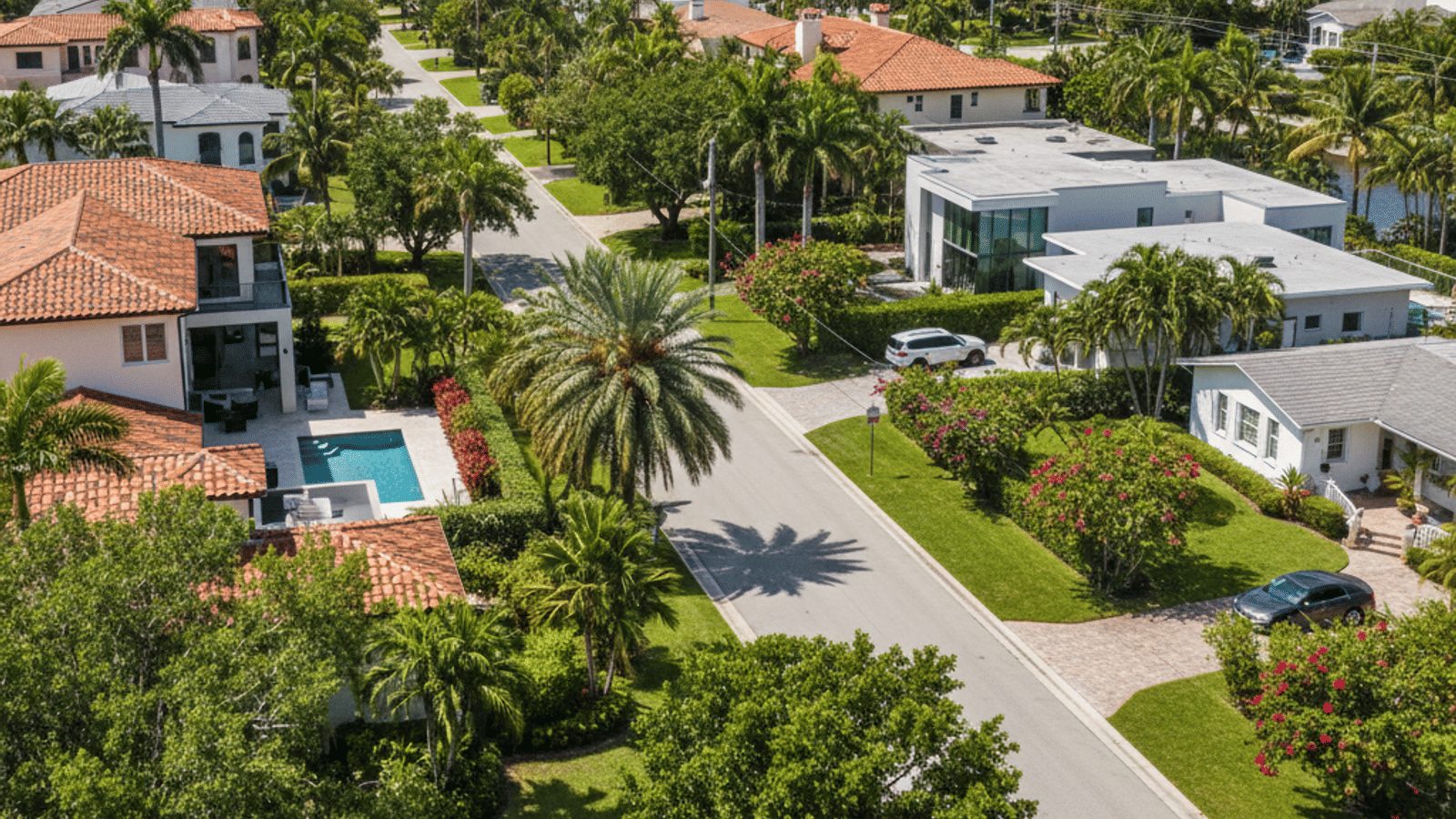
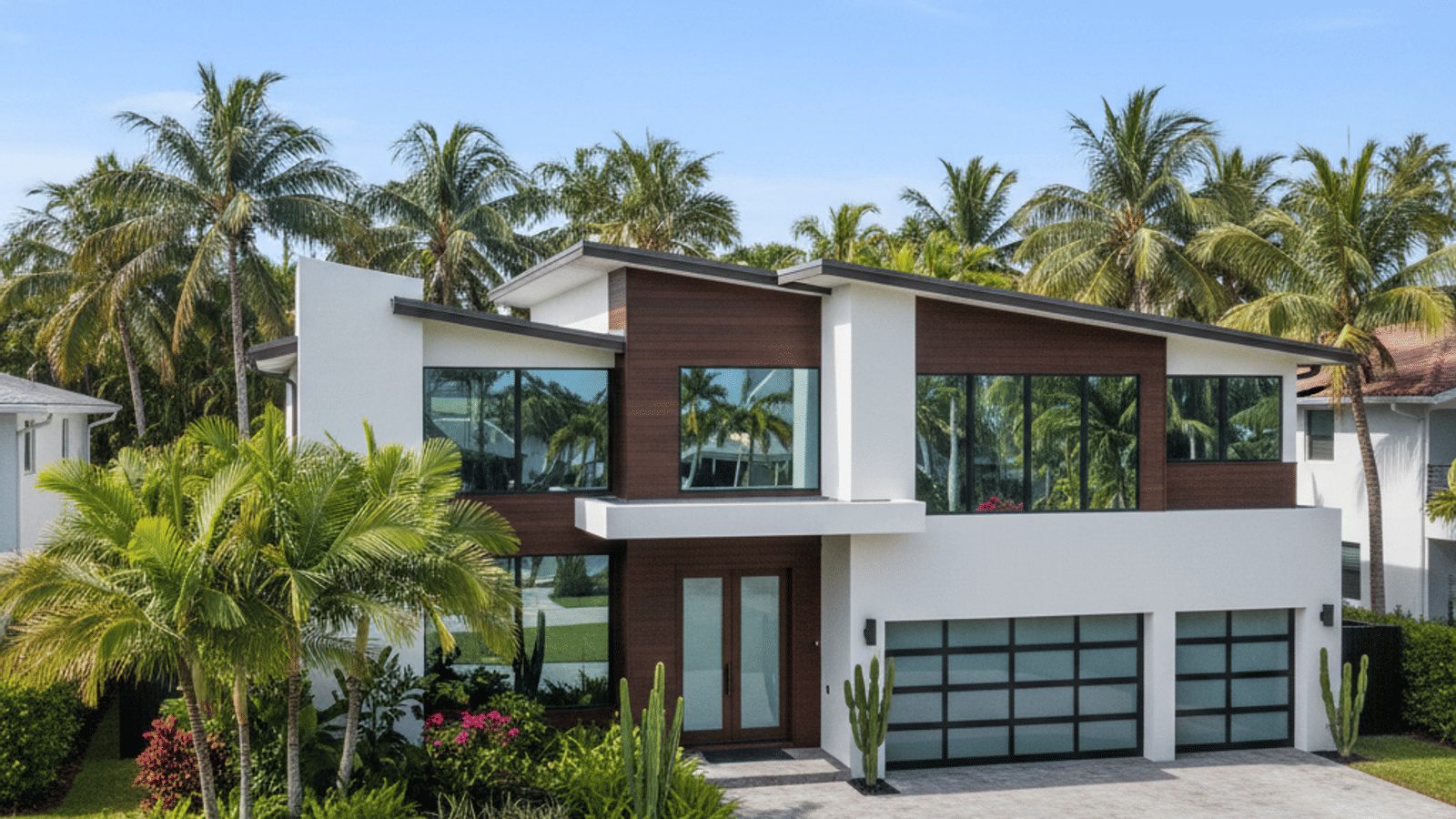
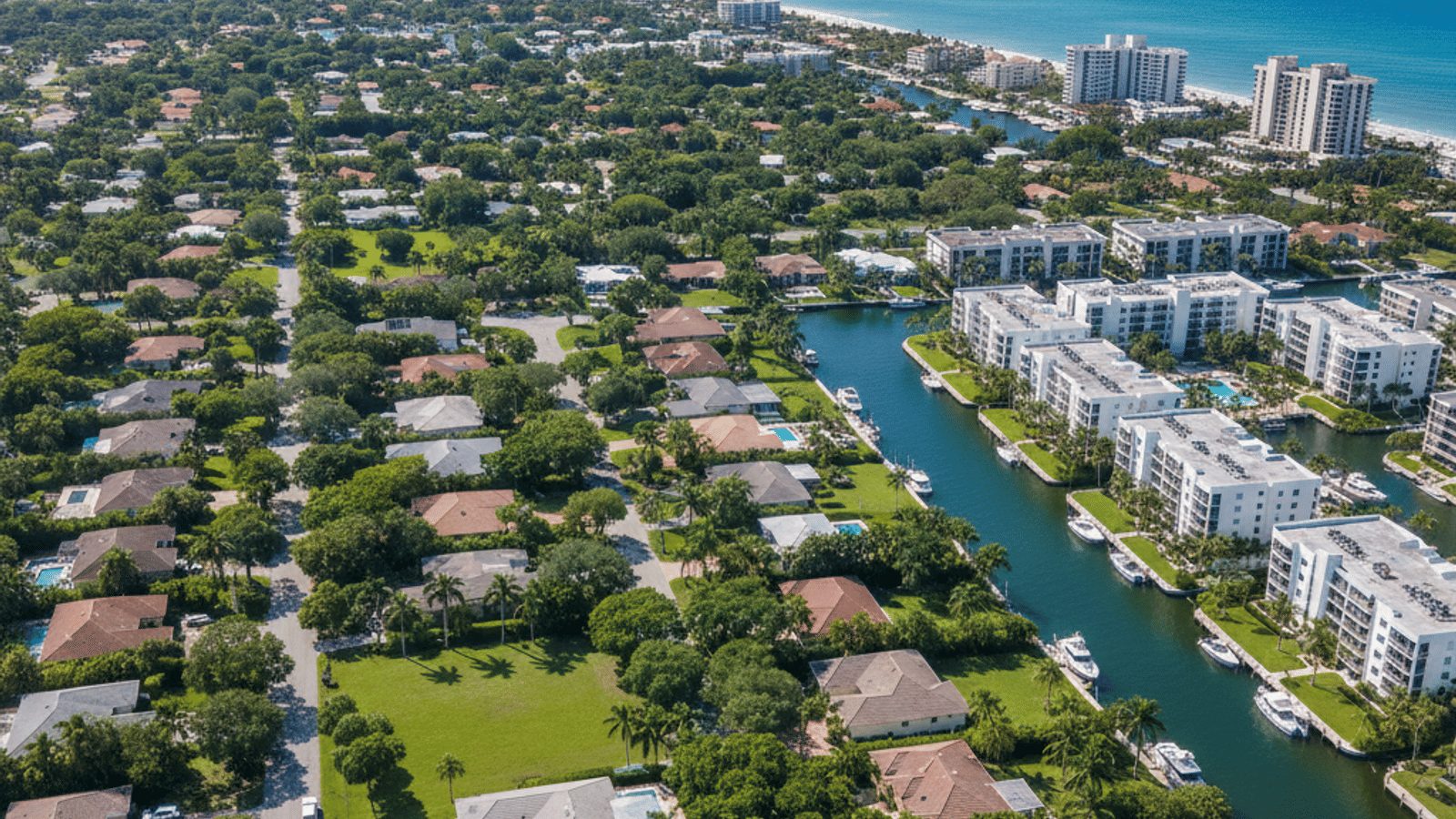
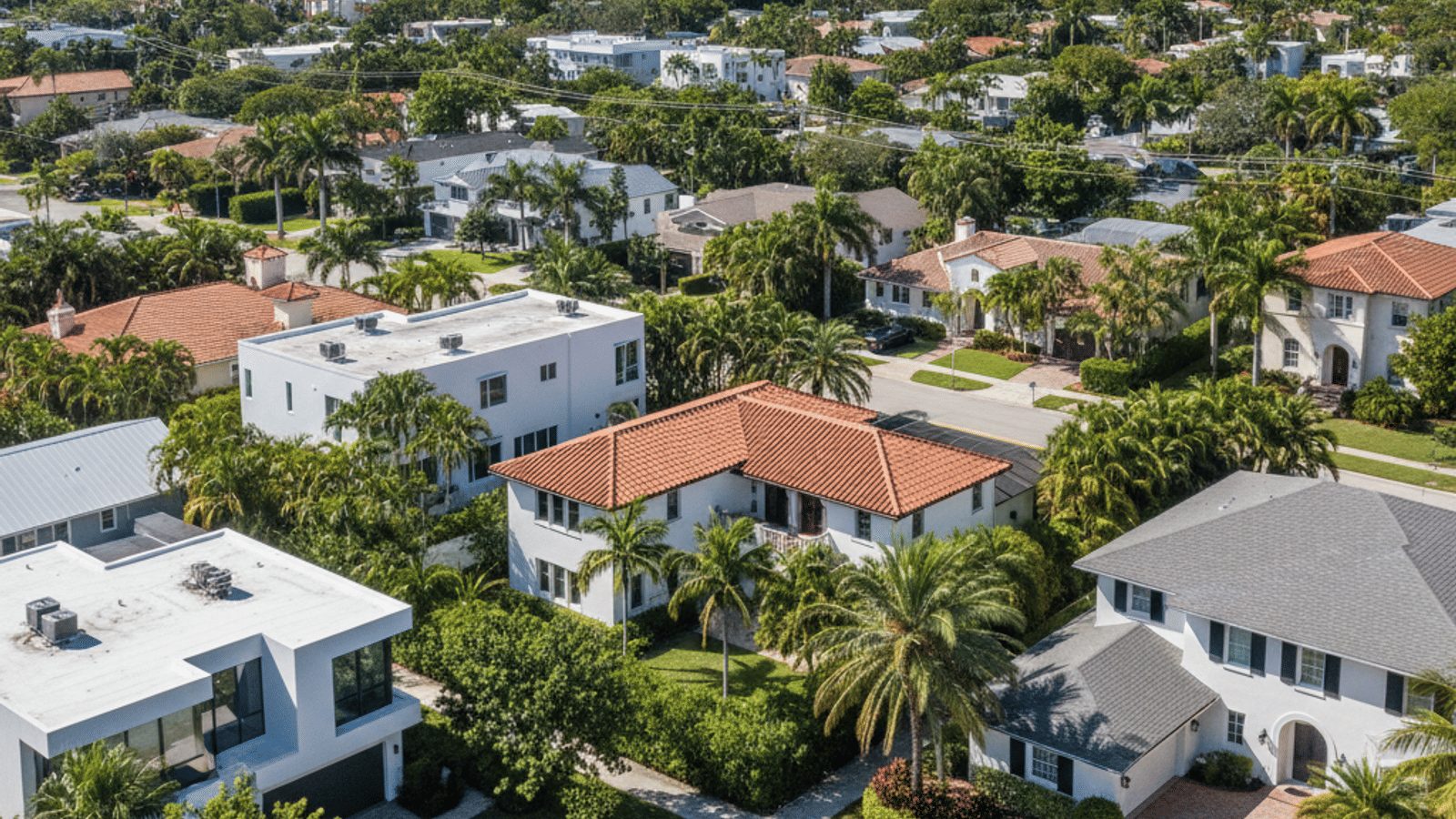
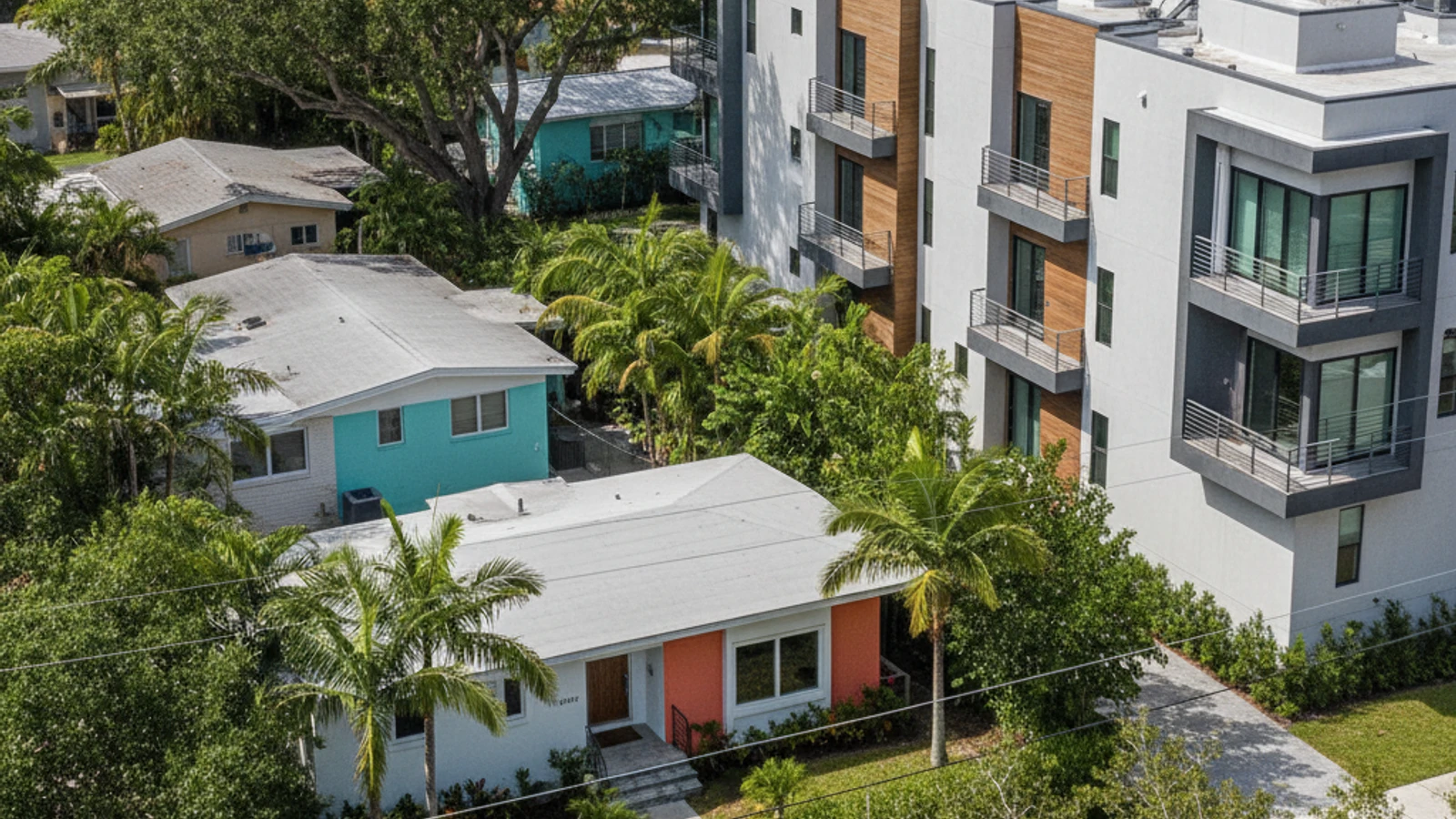
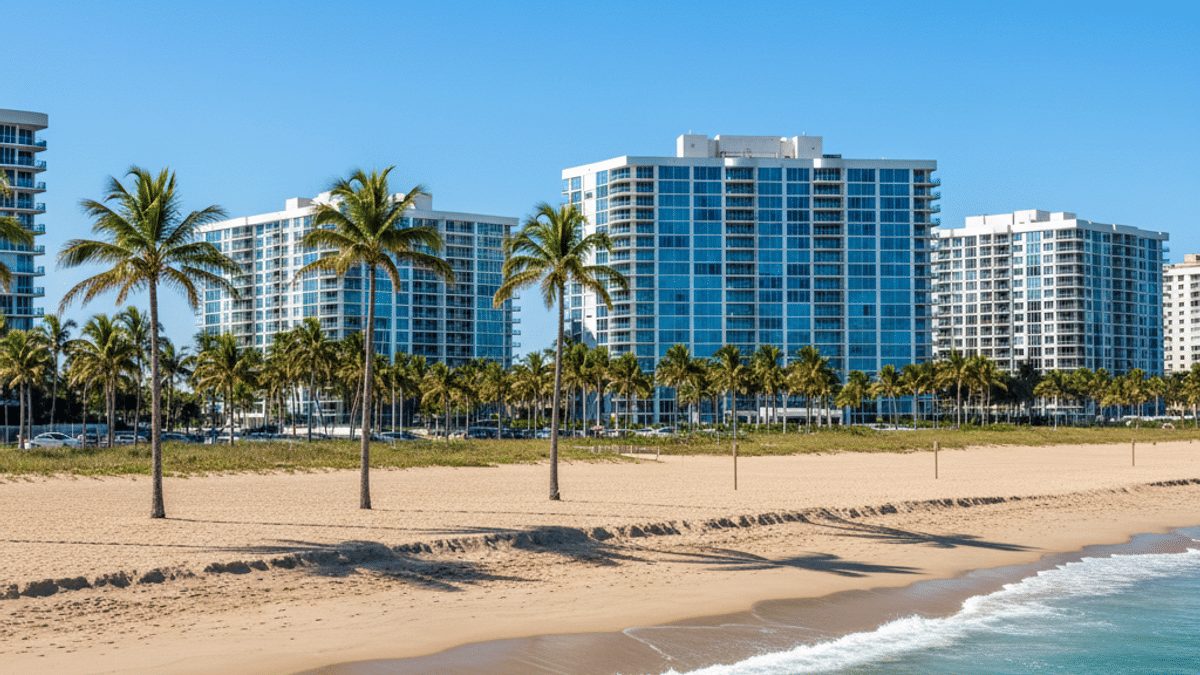
Think of Boca as three worlds living side by side. Oceanfront towers sparkle along A1A. A few streets inland you’ll hit gated golf clubs that feel like private planets. Beyond that line you find mellow 1970s ranch homes, town-home clusters, and new construction sprouting on any leftover dirt.
Here is what buyers are whispering about right now:
- Prices floated sky-high in 2021–2022, cooled in 2023, and flattened through late-2024. By March 2025, mortgage rate fatigue finally pushed sellers to get realistic. List-to-sale ratios have slipped under 94 percent in multiple zip codes.
- Insurance sticker shock. Current quotes for single-family roofs east of Federal Highway can run two to three times what your cousin in Tampa pays. Metal roofing or top-tier shingles help, but budget for it early.
- Condos created a loophole. Many towers secured umbrella insurance and bulk internet deals, so monthly dues look high yet cover surprises that would drain a house budget. Crunch both scenarios before ruling anything out.
- Appraisal gaps used to feel like a mandatory hurdle. Not lately. Data from the Beaches MLS shows cash deals edging down to 28 percent of closings. Conventional 5-percent-down buyers are winning bids again, especially if the property needs minor cosmetic work.
Timing tip: early summer brings seasonal sellers who leave for cooler climates once school wraps. They crave clean contracts and flexible closings. Show up pre-approved, keep contingencies short, and you may shave five figures off that sticker.
Beaches, Parks, and Everyday Fun
Everyone brags about Boca beaches, but sand alone doesn’t decide quality of life. Look at an average Wednesday. Sunrise yoga on Red Reef’s grassy bluff costs nothing. A few hours later, you might slip into Mizner Park for espresso and free gallery air-conditioning. After dark, outdoor amphitheater concerts fill the place with retro rock or symphony rehearsals, depending on the calendar.
Parks matter once hurricane season arrives and humidity turns a short walk into a steam bath. The city maintains nearly 50 green spaces. Sugar Sand Park is the crowd-pleaser because of its science center, splash pad, and boardwalk through scrub habitat. Runners swear by El Rio Trail, a 4-mile paved path that threads behind Florida Atlantic University and links several neighborhoods without requiring bravery in morning traffic.
Food earns its own paragraph. You could blow paychecks on steak at Rebel House or lobster rolls at City Fish Market. Yet hidden gems keep wallets intact: family-run Cuban cafés west of I-95 churn out café con leche that kills chain coffee, and a suburban-plaza ramen joint builds cult status with 30-seat intimacy. Friday night pop-up markets in Royal Palm Place drop farm produce, craft beer, and vinyl DJ sets into one courtyard.
Last note on nightlife: Boca Paddle Club lights its courts until 10 p.m. If you thought pickleball was a retiree pastime, try snagging a reservation slot. Week-night leagues now mix software engineers, sales reps, and college students. It’s equal parts workout and networking mixer.
Work, Earnings, and the Commute Puzzle
Let’s bust a myth quickly. Boca isn’t only retirees on porch swings. Employment spreads across finance, biotech, software, and hospitality. Office space vacancy fell below 7 percent in early 2025, the tightest since 2019. Major payroll anchors include Modernizing Medicine, Office Depot’s global hub, and a cluster of private equity firms tucked into downtown mid-rises. Tech wages average $108 k, well above state numbers yet below Silicon Valley pressures.
Remote workers clock in from condos overlooking the Atlantic or from coffee counters on Palmetto Park Road. Fiber coverage improved dramatically after a 2023 initiative pushed by the city’s Innovation Office. Gig upload speeds now reach into older subdivisions once cursed by copper lines. Zoom lags are basically gone.
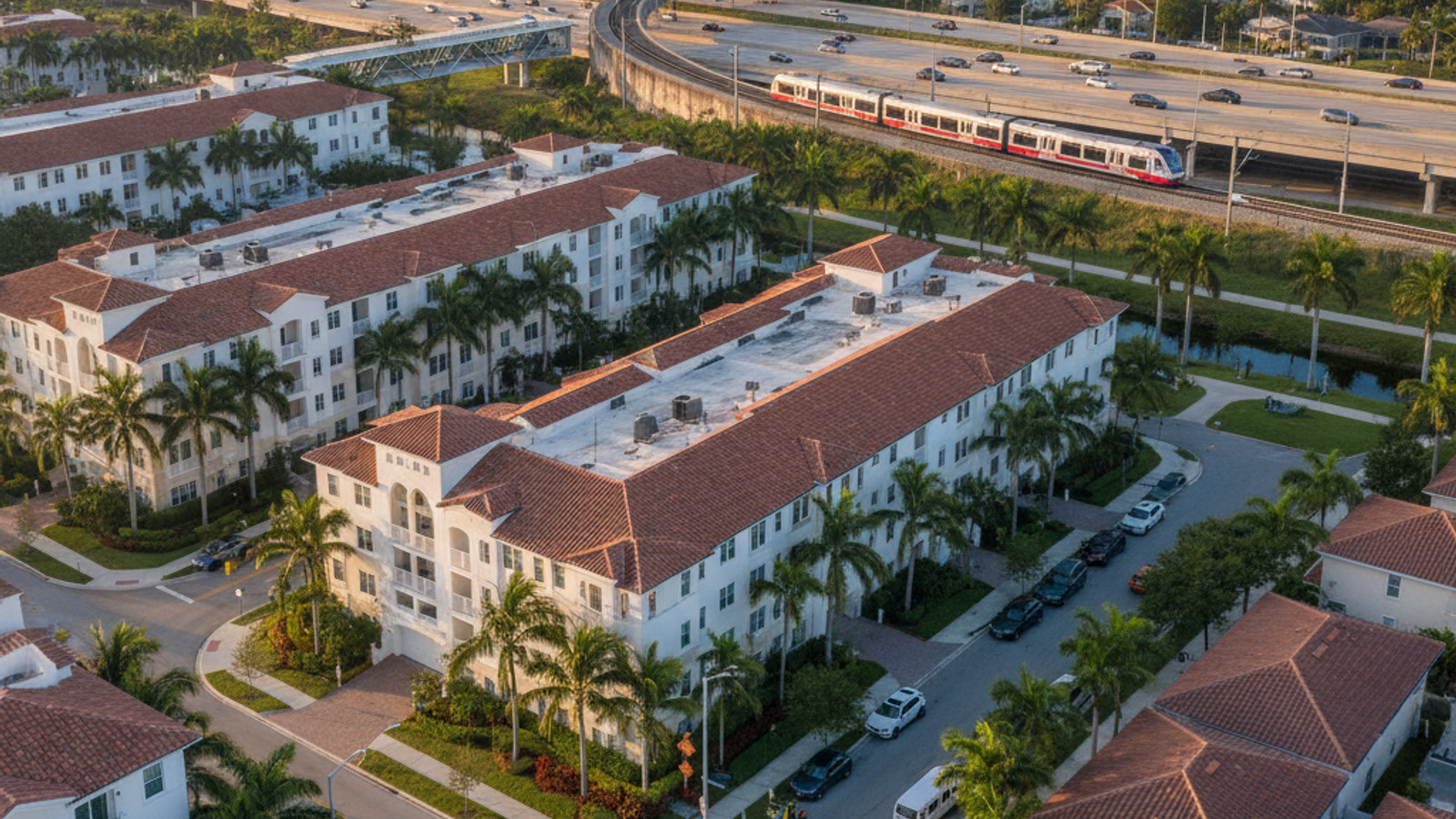
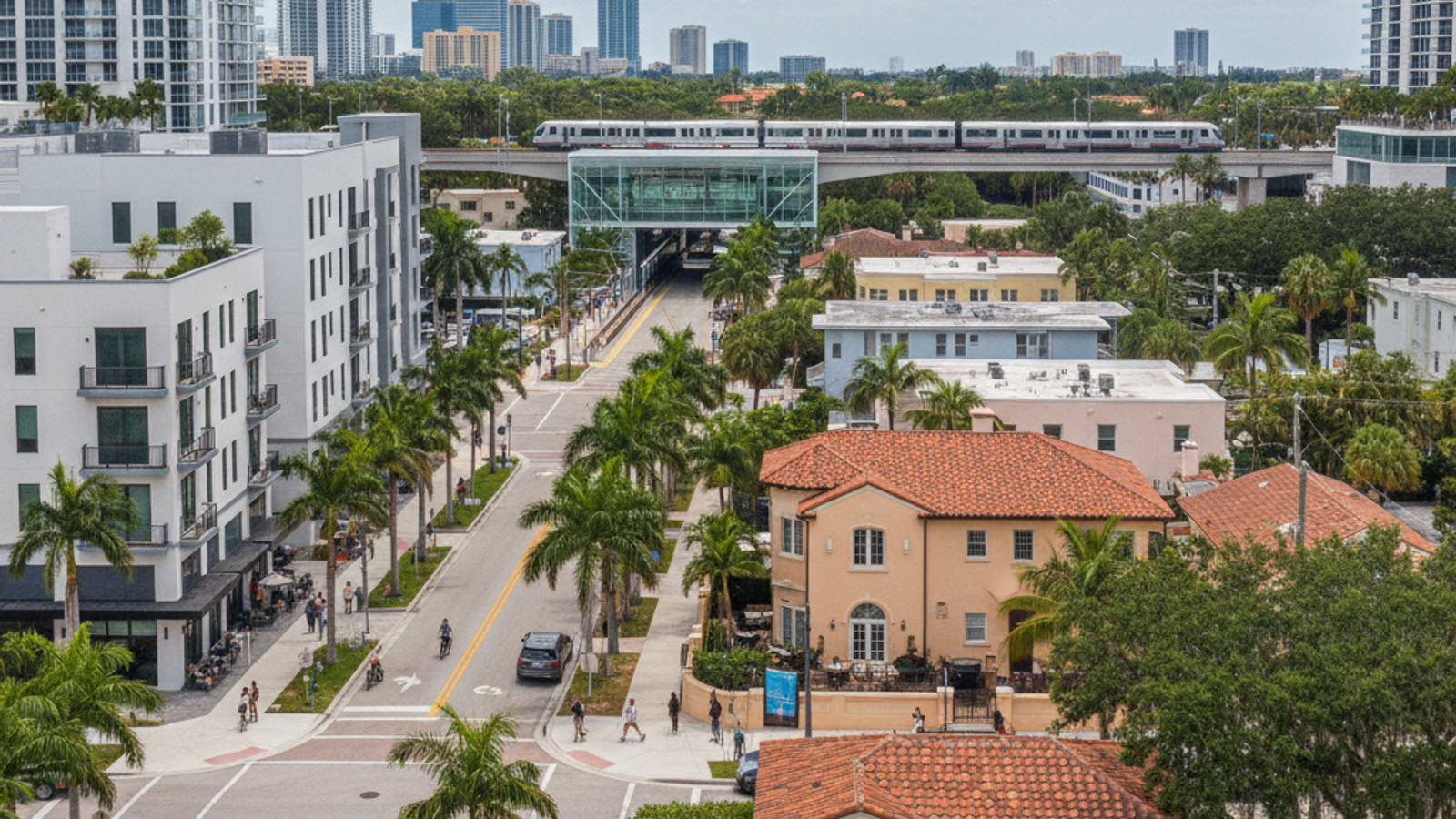
But traffic still exists. I-95 bottlenecks at Glades Road both directions. Locals hack the system with Brightline, the high-speed rail that links Boca Station to Miami in roughly 55 minutes. Parking is plentiful and the train cabin Wi-Fi handles video calls, meaning you can depart at 7 a.m., polish a presentation, and hit a Brickell client meeting by 8:15.
Cost-of-living calculators often mislead newcomers. Yes, groceries feel pricier, fuel slightly cheaper, and there’s no state income tax. The real swing item is homeowner insurance if you buy near the water. Factor an extra $4,000-$8,000 annually beyond mortgage and taxes. Renters pay this indirectly through higher monthly rates, so ask landlords where their premiums landed after the latest storm-model updates.
Locals-Only Nuggets: What Google Skips
Secrets travel by word of mouth, not algorithms. Here are four that will save time, money, or sanity.
- Storm shutters sound boring until you need them. Ask the seller for installation practice before closing. The metal panels stack like puzzle pieces, and drilling into concrete block once a storm is named is no fun.
- Food delivery fees balloon during tourist season. Download the smaller regional apps that partner with local drivers. They charge a flat two-dollar service instead of percentage surges.
- The city issues resident beach permits. Sixty bucks gets you a windshield sticker and unlimited parking at Spanish River, Red Reef, and South Beach lots. Day-trippers cough up twenty-five each visit. Over twelve weekends that sticker pays for itself.
- Flood maps changed in late 2024. Several streets west of U-S-1 dropped from a high-risk tier to moderate after drainage upgrades. Checking the new zoning could slice flood premiums in half. Title companies don’t always highlight this, so pull the FEMA layer yourself.
One extra pearl: local farmers markets wrap by 1 p.m. Get there earlier than you think. By 10:30 avocado baskets vanish and the good sourdough loaves are history.
Ready to Make a Move?
Boca Raton pairs laid-back surf vibes with real economic muscle. Prices softened just enough to invite fresh buyers, inventory sits at a five-year high, and daily life feels like a vacation that also lets you keep your career on track. You now know the insurance quirks, the secret parking hacks, and the realistic commute solutions. Use this intel, match it to your budget, and decide if the palms and blue water are worth the squeeze. When you’re ready to tour, bring questions that dig deeper than listing photos. Sellers notice a prepared buyer.
FAQs
- How long does a typical single-family listing stay active right now? Median days on market dropped to 31 in early 2025, about half of last year’s pace. Well-priced homes can trade in under two weeks.
- Do renters need to worry about hurricane preparations, or is that only on owners? Landlords must supply window protection gear, yet tenants handle installation. Ask where panels are stored and schedule a dry run.
- Is car ownership mandatory? You can survive with Brightline, app rides, and rentable e-bikes if you stay east of I-95. Venture farther west and a personal vehicle saves headaches.
- What utility costs surprise newcomers the most? Summer electric bills. Running air conditioning round-the-clock can top four hundred dollars in older, poorly insulated homes.
- Which Boca neighborhoods show the strongest resale momentum? Data from the first two quarters of 2025 points to Boca Square and Blue Inlet climbing fastest, thanks to renovated mid-century architecture and walkability to new retail.