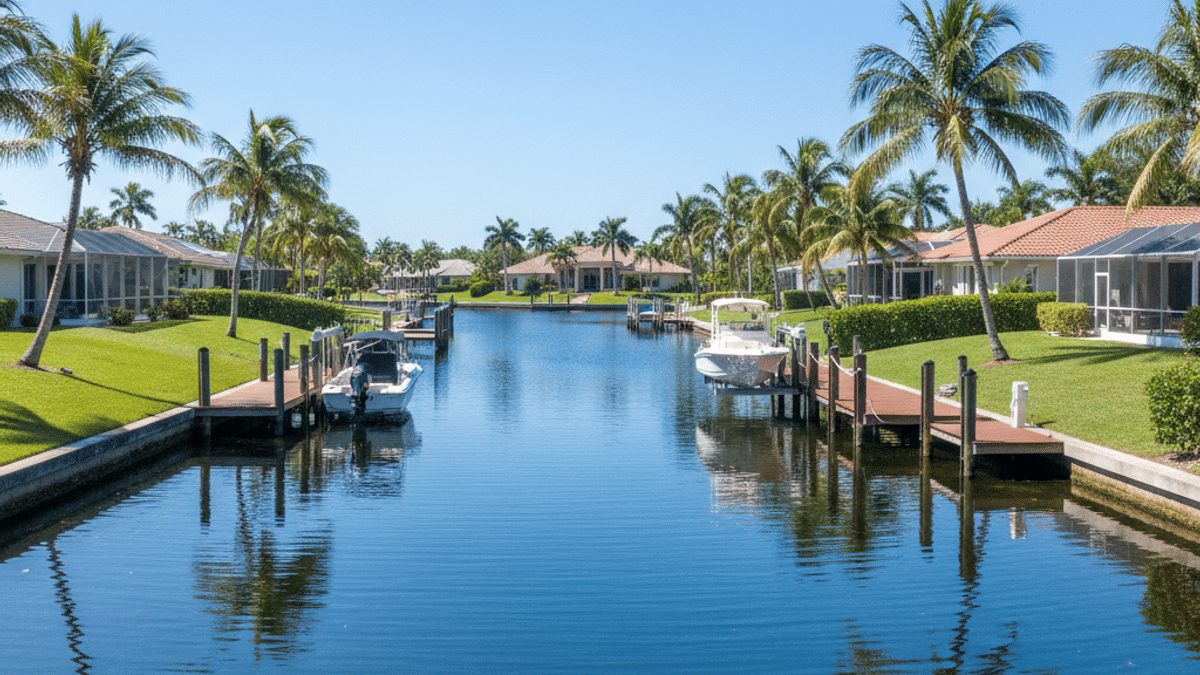
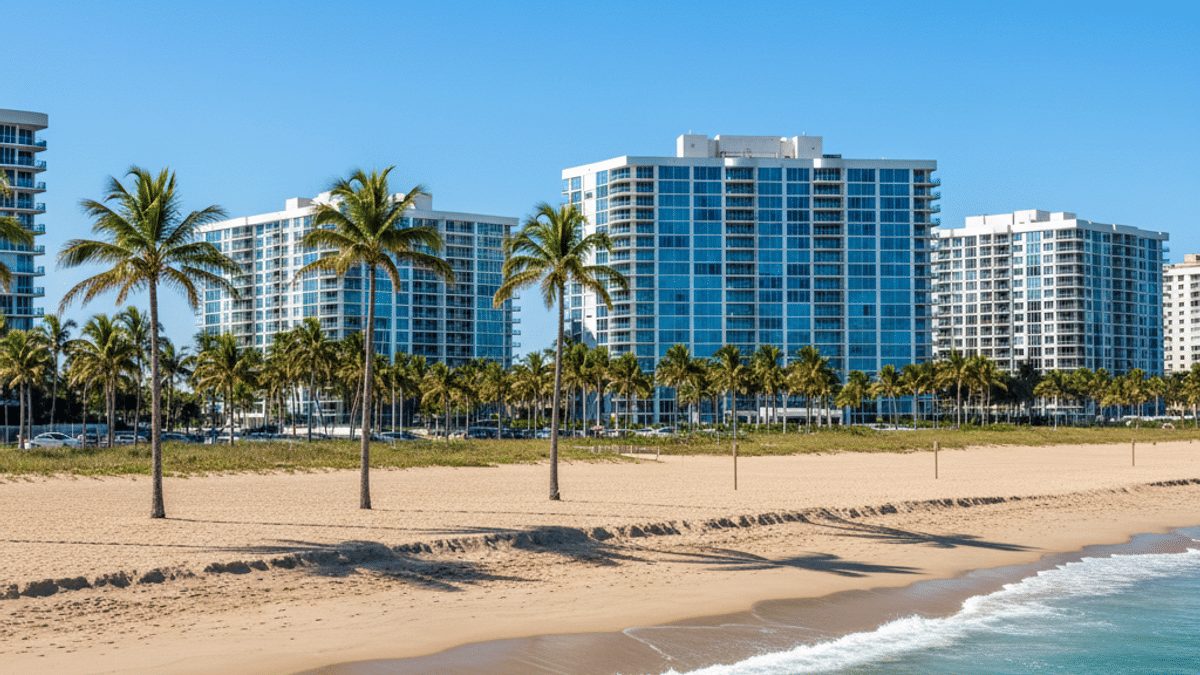
You want a straight answer. No warmed-over “spring is always best” mantra, no recycled chatter about palm trees and sunshine. You want the real story on timing the Fort Lauderdale market so you can skim a little stress off the move or squeeze a few more dollars out of the deal. Grab a coffee. Let’s talk like locals do.
When Seasons Shift, The Market Mood Shifts Too
Winter Wanderlust
Tourists flood the beach in January, yet the housing chatter goes quiet. Fewer listings hit the portals. Fewer buyers book showings. That silence feels risky if you are a seller, but here is the hidden upside: the buyers who do schedule tours in flip-flops and hoodies are usually serious. They flew down, they carved out a weekend, they are not just scrolling at midnight.
For buyers, prices in deep winter often flatten out. There are still multiple-offer surprises on the prettiest waterfront gems, yet average list-to-sold ratios soften by a percent or two. Those little percentage points can cover closing costs, inspection credits, maybe even your first paint job. Photography also pops in winter light, by the way. Bright skies, no summer haze, perfect for drone shots.
Sellers who hit the December to February window must accept fewer showings than spring, but they often enjoy less head-to-head competition on the same street. And yes, you might need extra flexibility for out-of-state buyers juggling airport runs and inspection timelines. Build that into your calendar now, not later.
The Spring Surge
Late February arrives, and something flips. Open house balloons pop up on every corner east of I-95. School calendars whisper move-now or wait-a-year. Snowbirds try a few more beach days, then decide they want a permanent zip code.
Condos around Las Olas and the barrier island see intense foot traffic first. Starter homes in Victoria Park and Progresso join the frenzy a couple of weeks later. If you are a buyer hunting between March and early May, expect same-day showings and maybe offers due by sunset. Waiting 24 hours for approval letters feels like ancient history.
Early spring can still deliver value if you stalk new listings the second they appear. Late spring? Competition jumps hard. More listings, yes, but also more eyeballs and cash offers. A gorgeous single-family with a pool that might fetch 850k in February could drift above 900k by mid-April. Sellers itching for top dollar usually circle these weeks in red ink.
Summer Heat Check
School’s out. Humidity ramps up. Mortgage brokers sip cold brew while the market pace levels. Families who needed keys before the first bell already closed. Corporate relocations trickle in, yet many buyers get skittish about hurricanes and high electric bills.
Here is the sweet spot for negotiation. A condo that sat through May without traction often sees its first price cut around the Fourth of July. Inspectors have more openings, contractors answer the phone, and sellers listen to repair requests because they want a signed contract before Labor Day.
If you are listing in summer, freshness matters. Stale listing syndrome is real. Rotate the first photo, tweak the description, pump new energy into marketing. A mid-August relist at a sharper price can pull fresh eyes, especially from people with flexible school schedules who do not mind moving in August heat.
Fall Slowdown … Kinda
October brings the calm before the holiday storm. Inventory usually thins as sellers plan turkey dinners instead of open house cookies. Yet you still see “desperation listings” from owners who refuse to carry property taxes and insurance into January.
Buyers paying attention snag quick wins. Title companies have breathing room, movers drop their rates, and sellers often grant credits for roofs, AC units, or seawall patches rather than relist after New Year’s.
One warning: hurricanes can still roar through until late November. Keep an eye on storm clauses and insurance underwriting freezes. Nothing derails a closing like a named storm churning near the Bahamas when underwriters pause new policies.
Timing Tricks by Property Type
Starter Homes Versus Luxe Estates
Entry-level price bands move fastest in spring because first-time buyers align vacations, tax refunds, and school shifts. They crowd showings, wave inspection contingencies, and sometimes overpay by a notch. Catch those buyers in February or June, though, and the frenzy calms.
Luxury spreads above two million dance to a different beat. Many cash buyers touch down for boat shows, art fairs, or yachting events rather than a strict season. They care less about interest rates and more about finding a dock that fits the vessel. Sellers of trophy estates often test high price tags in late winter, then quietly trim by Memorial Day. If you have deep pockets and patience, late summer private tours can be gold.
New Construction Versus Resale Reality
New-build timelines follow the builder’s calendar, not Mother Nature. Delivery can slip when rains stall concrete or supply chains tangle. If completion lands in hurricane season, some buyers panic; others pounce because the builder wants units closed before model home budgets shrink.
Resales flex with emotion. Owners stare at Zillow alerts, watch neighbors cash out, and decide on a whim to sell. That spontaneity explains why micro-timing pays off. Refresh your portal searches daily, set alerts, and never assume inventory is predictable.
Clocks Beyond the Calendar
Interest Rates and Money Mood
A single quarter-point bump from the Fed can shift affordability by tens of thousands of dollars. In Fort Lauderdale, where many price points already stretch budgets, buyers feel that jolt fast. Watching rates weekly beats memorizing old seasonal charts.
Sellers: if the thirty-year fixed climbs past five and a half percent, expect fewer love-letters in your inbox. Price realistically, highlight energy efficiency, and consider offering buydown credits. Those incentives gain traction the minute rates tick north.
Job Moves, Tourism Pulses, and Local Hype
The cruise industry’s hiring waves, corporate expansions in downtown, even the Fort Lauderdale International Boat Show can goose demand overnight. Short-term rentals push investors to bid on properties close to beaches just before high season. Meanwhile, tech workers leaving bigger cities inject fresh cash in random months.
Keep your ear on street chatter. A rumored hospital expansion or a new Brightline station upgrade will ripple through nearby zip codes long before national reports notice.
School Routines Without Stereotyping
August and early September often look sleepy for showings because parents focus on first-week homework. October opens a window for buyers who do not worry about report cards. Sellers with flexible timelines can sidestep big crowds by listing right after Labor Day, catching early fall curiosity before holiday mental shutdown kicks in.
Micro Moves for Sellers Who Want an Edge
You already know curb appeal and price matter. Timing the prep work matters too.
- Landscaping pops in spring yet summer sun scorches fresh sod. Tackle big yard projects in February while temps still cooperate.
- Roofers get slammed after June storms. If your shingles need patching, schedule inspections right after New Year’s when crews hunt for work.
- Photographers love crisp winter mornings. Booking a shoot at 9 a.m. in January catches golden light without sweating through your shirt.
- Soft relaunch. If your listing staled in spring, pull it, tweak staging, relaunch after July Fourth at a price your agent can defend with fresh comps.
Yes, it takes effort. The payoff is fewer days on market and a cleaner negotiation table.
Cautious Buyers: Read the Tea Leaves Weekly
Data moves quickly now. Do a ten-minute Monday ritual.
- Scan new listings in your target neighborhoods.
- Note the number of price cuts in the past seven days.
- Track how many homes flipped from active to pending.
- Check average days on market for the latest twenty sales.
- Call your lender if rates slide one eighth of a point.
That tiny routine tells you if the tide favors you or sellers. Skip it, and you are stuck with month-old headlines.
Off-Season Plays That Actually Work
- Inspection leverage: when a seller has three showings a week instead of thirty, they listen. Ask for roof credits, appliance upgrades, or closing cost help.
- Flexible closing: offer a quick close with a rent-back so the owner can chase their next deal. Win-win, especially around holidays when moving trucks cost more.
- Contingency stacking: couple your offer with fewer repair demands but a financing contingency if rates spike. Balance risk while keeping the contract alive.
Investors often copy these plays, but primary-home hunters can steal them. The key is confidence in your numbers and the courage to ask.
Buying and Selling at the Same Time Without Losing Sleep
Bridge loans, lease-backs, short-term rentals on the beach for a month, you have options. The timeline puzzle looks like this:
- Prep current home two months before thinking about listing.
- Identify three rental backups in case the purchase side drags.
- Negotiate a rent-back up to sixty days if the buyer’s lender allows.
- Use a local mover that stores goods for those awkward gaps.
Stop hoping both deals close the same morning. Plan for overlap, pad the calendar, and peace of mind shows up automatically.
Rookie Mistakes Locals Notice Every Year
- Chasing last spring’s price into fall. Markets breathe. If comps cooled by five percent, list accordingly.
- Listing during Thanksgiving week with no marketing budget. Buyers are basting turkeys, not touring houses.
- Waiting for a perfect interest rate before writing an offer. That perfect rate may vanish tomorrow.
- Ignoring hurricane deductibles until the insurance quote arrives two days before closing. Ouch.
- Clinging to carpet and popcorn ceilings because “the new owner can change it.” Spoiler: They deduct the cost plus frustration.
So, When Is the Best Time?
Truth bomb: the best time to buy or sell in Fort Lauderdale is when inventory, competition, and your personal goals line up, not just when the calendar hits March.
- Want maximum price? List late February through April when demand explodes.
- Crave less competition and more negotiation room? Shop December or July.
- Need both buy and sell handled in one smooth motion? Circle early fall, lower volume yet still enough listings to swap houses.
Investors run their own spreadsheets. They jump the minute cap rates pencil out, even on a random Tuesday in September.
The market can and does flip in sixty days. Watch fresh data, stay nimble, and keep a Plan B rental in your back pocket. Do that, and you will time Fort Lauderdale better than any generic seasonality chart.
Ready to move from reading to doing? Your next step is simple. Call an agent who pulls comps every morning, not just at listing presentations. Open those alerts. Walk the neighborhood this weekend. Timing favors the hands-on, not the wait-and-see crowd.
That is the messy, honest answer. Now make it yours.