You probably clicked around a dozen articles already. They all recycled the same statewide stats, right? Time for something meatier. Lighthouse Point may share a shoreline with the rest of South Florida, yet the micro-market here beats to its own salty rhythm. Let’s crack it open and find the real windows of opportunity—months, even weeks—when the odds lean your way.
So, Why Does Timing Even Matter Here?
Lighthouse Point is small—under three square miles of dry land. Fewer streets. Fewer listings. One waterfront pocket can swing the average sale price by six figures overnight. The trick is catching the market when inventory flexes but buyer traffic chills for a second.
There are three levers you need to watch:
- Weather. Afternoon squalls, hurricane chatter, that glorious stretch of 78-degree winter mornings. Each phase changes foot-traffic at open houses and seller motivation.
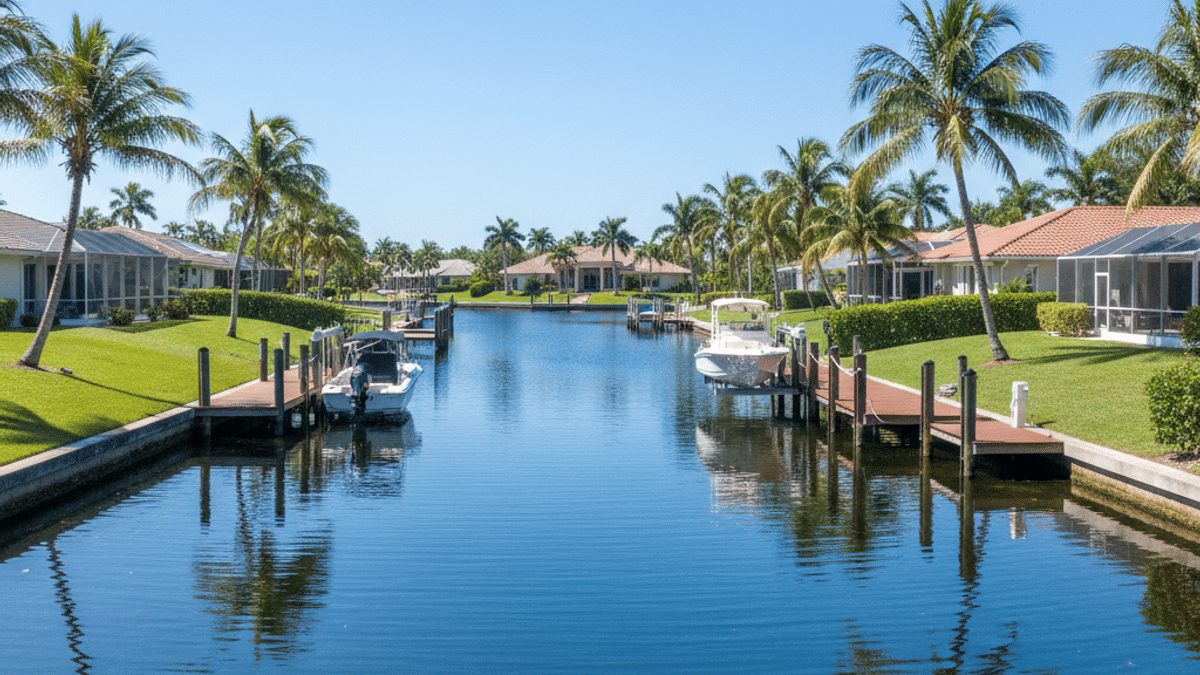
- Boating season. No joke. Roughly 60 percent of single-family homes sit on canals or the Intracoastal. Boat show dates, dredging schedules, and marina slip renewals all shuffle the calendar.
- Insurance renewals and flood map releases. New FEMA maps arrived in 2021, another revision is on the horizon. Some owners wait for the next announcement before listing. When the revision drops, a few get spooked and price-cut fast.
Get those three pieces right and you stop guessing. You know when to pounce.
Spring: More Listings, More Elbows Bumping
March through early June feels like the first day of school every single weekend. Jet Skis rev under the bridges by 8 a.m., and “Coming Soon” riders pop up on lawns at the same pace. Why the flood of listings?
- Snowbirds are still in town, touring on golf carts after brunch. Sellers notice the traffic and want a piece of it.
- Corporate relocation packages usually kick in on the first quarter. Executives fly down, tour four zip codes, and bid high because their company foots the bill.
- School enrollment deadlines sit just over the horizon, pushing relocating households to wrap a deal early.
Pros for you:
- The menu is huge. Waterfront, dry lot, ranch, two-story—everything is on the board.
- Lenders roll out new programs each spring to grab market share, so creative financing is easier to score.
- Inspection windows rarely get rained out. Serious bonus when you need a roof guy to climb a 25-year-old barrel-tile monster.
Cons you cannot ignore:
- Bidding wars. More eyes on Zillow equals more escalation clauses.
- Appraisers lag behind reality because closed sales from December and January are lower. Your contract price can drift north of the bank’s math.
- Sellers hold the power. Shrug at inspection credits. Take-it-or-leave-it attitude. You may walk.
Bottom line for spring: great if you crave selection and can stomach competition. Not great if you hate overpaying.
Mid-Summer: Afternoon Thunderstorms And Unexpected Bargains
July flips the script. Humidity hits 90 percent by breakfast, and half the out-of-staters bolt to cooler zip codes. The canals stay busy, but open house sign-ins drop. A hush falls over the MLS.
What changes:
- Price reductions show up, mostly on listings that overshot in April.
- Days-on-market climbs above 30 for the first time all year. Sellers start whispering, “Should we rent it instead?”
- Property insurance renewals pile up. If a premium jumps, some owners bail rather than swallow the cost.
Why you might score a deal:
- Thunderstorms chase casual looky-loos away. Serious shoppers are the only ones who show. Your odds of being the single offer on the table spike.
- Agents head to conferences or take vacations in July, so those who stay behind push extra hard to get deals closed.
- The dreaded “peak of hurricane season” chatter (even though the statistical peak is actually September 10) nudges sellers to wrap negotiations before any named storm spins up.
Heads-up items:
- Be ready for rushed roof inspections. Afternoon lightning ends ladder time early, so you may need multiple visits. Build that into your due-diligence window.
- Flood insurance quotes rise the moment a tropical system forms. Lock a policy fast.
- If you plan on remodeling, tradespeople book out because they cram work ahead of potential storms.
Translation: Mid-summer can hand you leverage, but you must move fast and think two steps ahead on insurance and contractors.
Fall: When Sellers Start Doing The Math
Late September through Thanksgiving is Lighthouse Point’s under-publicized sweet spot. Tourist season has not cranked yet, the ocean is still bathtub-warm, and sellers who sat all summer start tallying holding costs.
Several quirks create cracks you can wiggle into:
- County property tax bills hit mailboxes in early November. A chunky installment often nudges fence-sitters into “sell now” mode.
- Boatyard waitlists reopen in October. Owners who planned to upgrade their vessel sometimes realize the new beam will not fit behind their current seawall. New boat plus old dock equals home sale.
- A surprising amount of corporate bonuses pay out in December. High-income residents tie up cash for holiday travel, temporarily sidelining them from new purchases. Less competition for you.
Negotiation chips that appear only in fall:
- Turnkey furnishings. Sellers traveling for the holidays might leave outdoor kitchens, dock pilings, or even the paddleboards to avoid storage headaches.
- Flexible closings. Title companies are slower, so you can push for a rent-back or delayed possession without much pushback.
- Builder incentives. Any spec home still sitting by Halloween stresses out the developer’s lender. Expect closing-cost credits or appliance packages.
Possible downsides:
- Inventory has thinned out after spring and summer sales. If you crave a very specific street, you may still be waiting.
- Daylight shrinks. Harder to squeeze in after-work showings.
- Out-of-state investors scout year-end tax plays. They pay cash and waive appraisal contingencies. Be prepared for at least one all-cash rival.
Still, ask seasoned agents where the sneaky deals live, and most will mumble, “October.”
Winter: Quiet Can Be Golden
December, January, February. Holiday lights reflect on the canal, snowbirds trickle back, and listings fall to their lowest count of the year. It feels like slim pickings. Yet those few homes that do hit the market? They usually carry a story.
Common winter seller profiles:
- Estate sales where probate wrapped in the fall. The heirs want closure before tax season.
- Owners relocating for a fiscal-year job change in January. A vacant property is expensive.
- Sellers who struck out in earlier seasons and finally price realistically.
Perks of buying in winter:
- Less competition. Travel, football, and school obligations wipe half the buyer pool off the field.
- Contractors return calls. The mad rush to dry-in roofs before hurricane season ended weeks ago. Trades are hungry.
- Crisp weather equals comfortable walk-throughs. You can linger on the dock without melting.
Challenges:
- You may go weeks without a fresh listing that fits your criteria.
- Mortgage underwriters hit holiday bottlenecks. Plan for extra days.
- If a rare cold snap blows through, pool heaters and irrigation pumps can fail during inspection. Factor potential repairs into your offer.
Bottom line: Winter is a patience game. Wait, then strike hard when the right address appears.
Numbers, Weather, and Your Own Life Calendar
Data helps, gut feelings help more. Here is how to mash both into a plan.
- Pull three years of closed sales, month by month. Note the median list-to-sale price spread. In Lighthouse Point, that gap tends to shrink under two percent by mid-September.
- Track named storms. If a hurricane skirted the coast, listings dipped the following 30 days, then rebounded sharply. Bargain hunters sneaked in during the dip.
- Look at boat show dates. Fort Lauderdale International Boat Show lands late October. Every November you will see a mini-spike in closings, often at premium prices, driven by buyers who fell in love with a 60-foot sportfish and now need deeper water at their backyard dock. Avoid that week if you dislike bidding wars.
- Study insurance renewal cycles. Citizens Property Insurance writes many waterfront policies and renews on the anniversary of coverage. Listings climb during that particular month for expiring policies. Ask the selling agent when the next bill hits.
Now overlay your own timeline:
- Job flexibility. Can you close on a Tuesday morning or only Saturdays?
- Cash reserves. Are you ready to wire an earnest-money deposit tomorrow?
- Renovation appetite. Do you want turnkey, or are you fine juggling contractors at the tail end of hurricane season?
Your sweet spot emerges where market softness intersects your personal readiness. Crafty, not complicated.
Ready To Scout Lighthouse Point On Your Timeline?
Take a breath. You just processed two thousand words on tides, tax bills, and thunderstorms. Here is the distilled game plan:
- If variety is your love language, shop spring.
- If leverage thrills you, circle July through early September.
- For value, pencil in October.
- If you prize peace and quiet, keep your inbox open December through February and jump when something pops.
Gather the intel, sync it with your own life calendar, then walk Lighthouse Point’s breezy streets with confidence. And when that perfect house finally whispers your name, you will know exactly why the timing feels right—because you planned it that way.