Pompano Beach: Unveiling the Reality
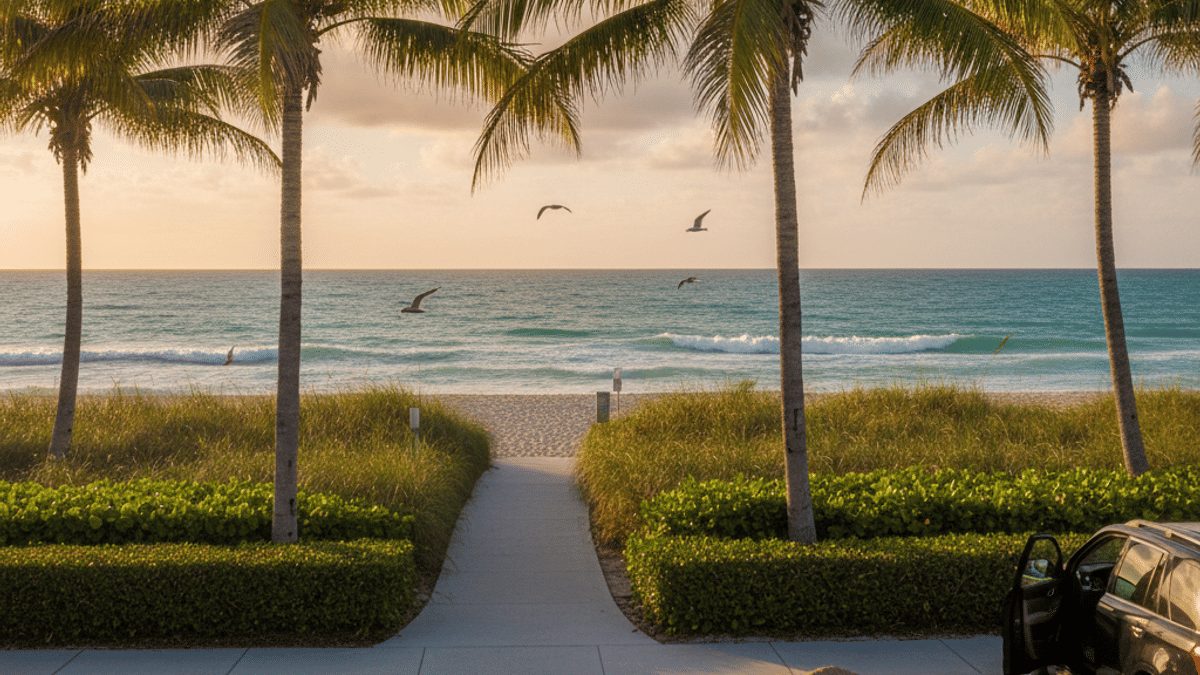
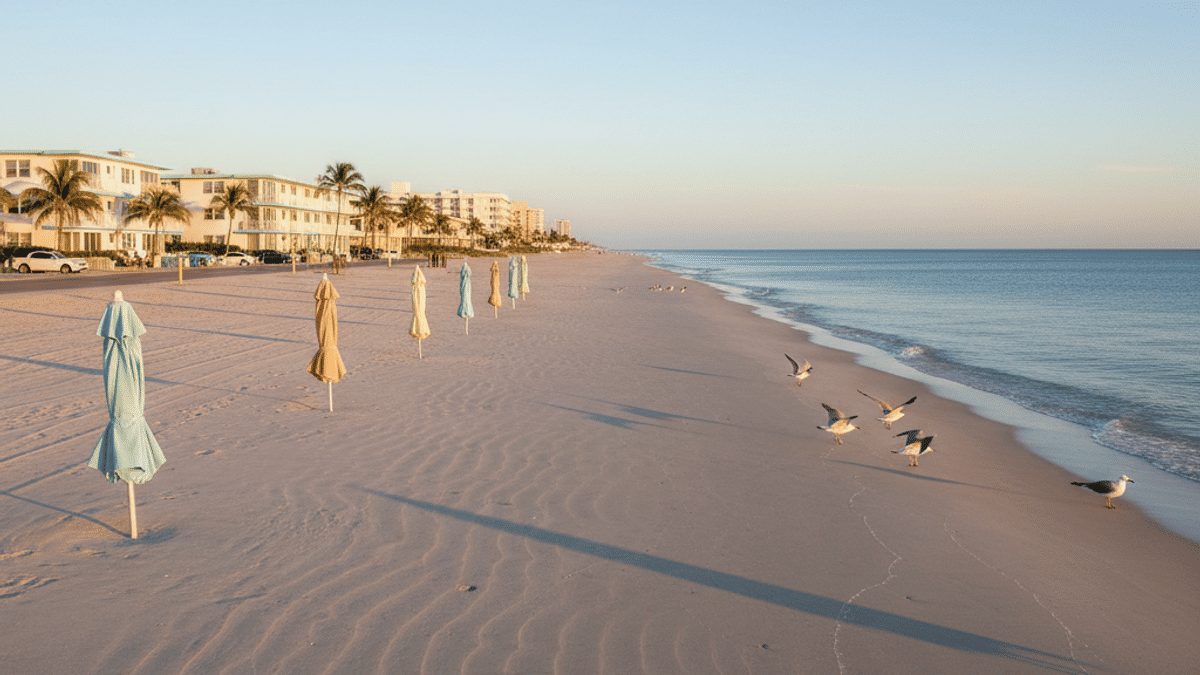
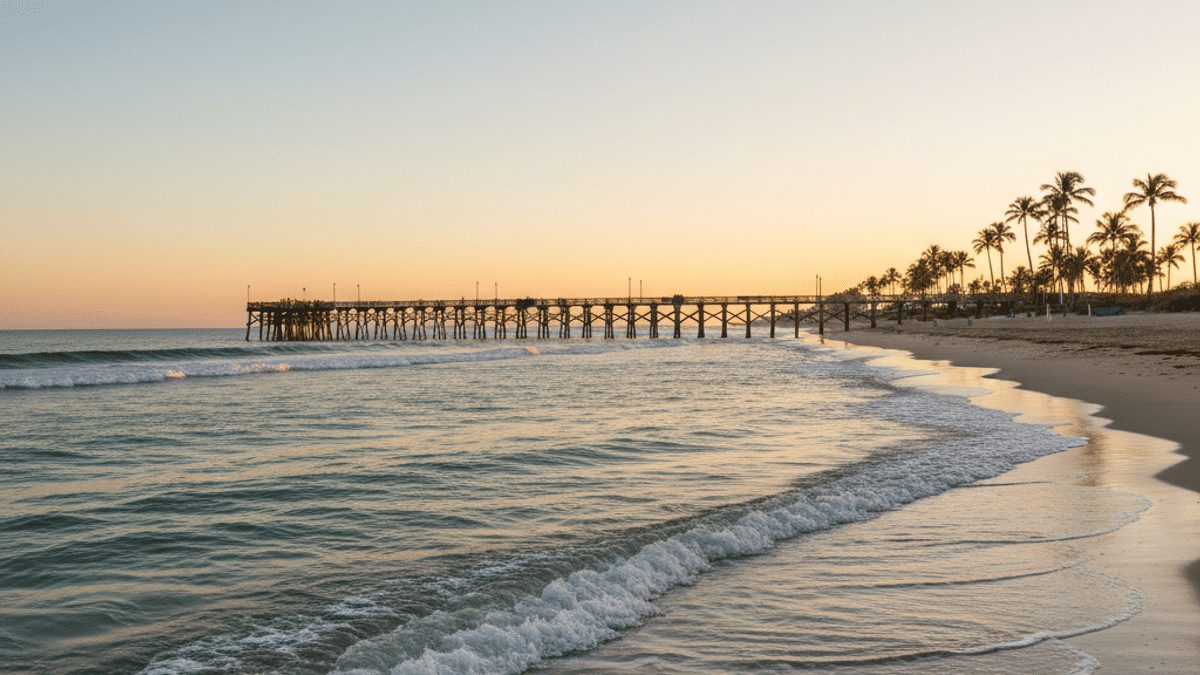
Sunshine, salt air, and a boat parade that locals treat like a second holiday, that is Pompano Beach in one sentence. The city sits in northern Broward County and by spring 2025 the population hovers just above 115,000. Growth has been steady but not explosive. In other words, you still find long-time residents chatting with newcomers at the pier café without that My-city-is-full grumble you hear farther south.
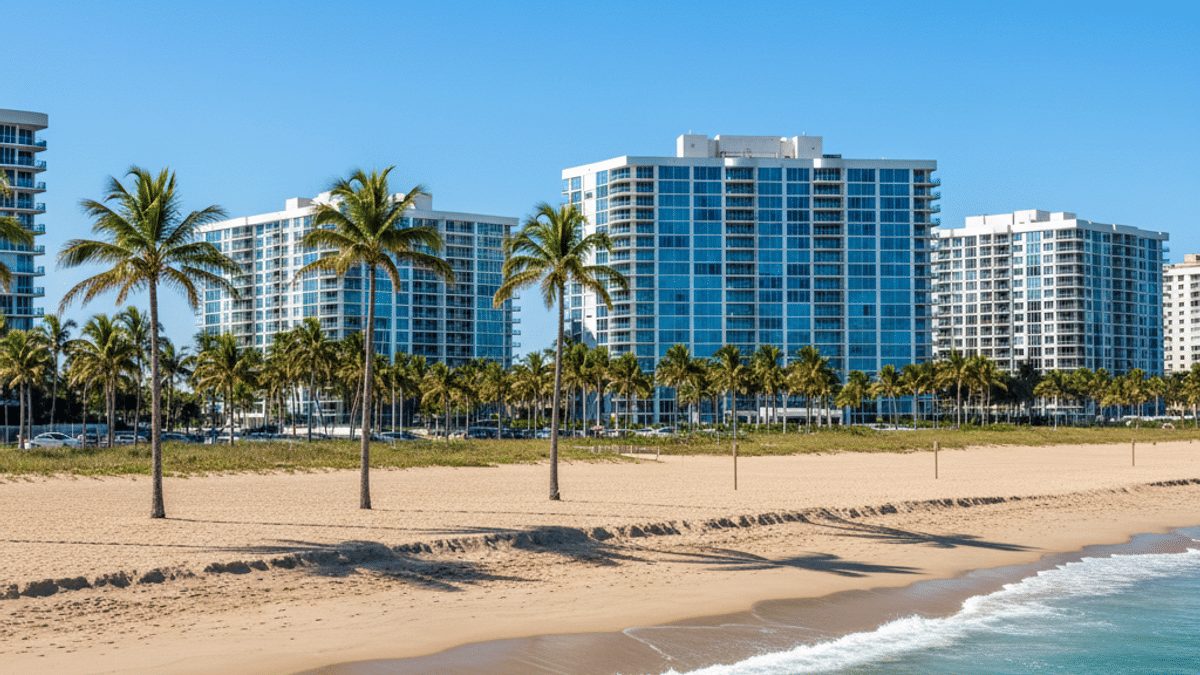
New arrivals keep coming for two reasons: relative affordability when stacked against Miami and Fort Lauderdale, plus a city government that keeps reinvesting in public beachfront, fishing piers, and downtown streetscapes. Builders responded with mid-rise condos east of US-1 and clusters of single-family homes near the municipal golf course. Some longtime owners are selling to capitalize on higher equity while remote workers scoop up those listings. So movement flows in both directions.
Enough postcard talk though. How much cash are we actually burning to live here? Let’s break it down.
Housing and Utility Costs: The Real Deal
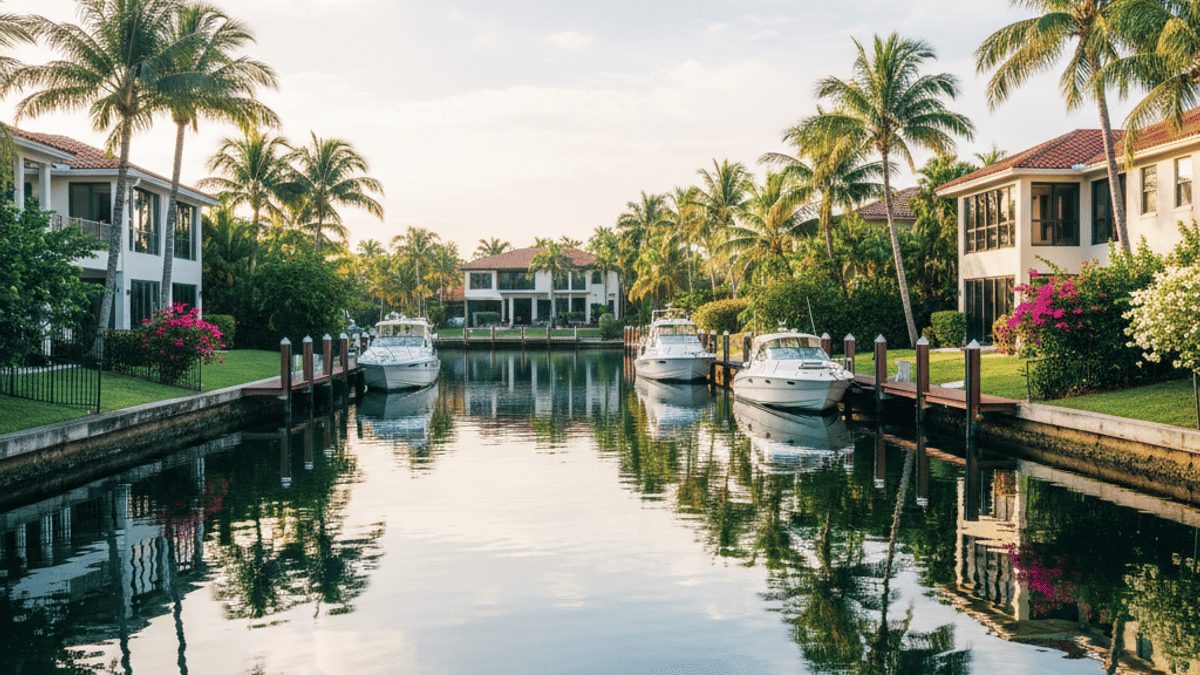
Pompano housing tells two very different stories depending on which side of US-1 you are eyeing. East of the highway, 2025 median sale price for a two-bed condo clocks in around $475,000. Cross westward toward Andrews Avenue and median drops closer to $405,000. Single-family homes show the same split: $660,000 near the Intracoastal, roughly $530,000 inland in neighborhoods like Cresthaven.
Price growth cooled after that wild 2021-2022 run but still posts a modest three percent annual uptick. Cash buyers once dominated yet recent data shows conventional mortgages reclaiming a bigger slice, a subtle shift that hints at a stabilizing market.
Renters, breathe in. Average monthly numbers right now:
- Studio, 1200 to 1350 square feet is a unicorn, average rent sits just under $1700
- One-bedroom, expect $2050 to $2250
- Two-bedroom apartment, $2450 if you do not demand granite counters, $2700 if you do
- Town-home with a garage, $3000 and up
Landlords rarely bundle utilities, so tack on another $210 to $250 each month:
- Electricity, 13.1 cents per kilowatt hour, heavy AC usage makes the monthly bill hit $155 during muggy months, $110 in winter
- Water and sewer, roughly $48 for a two-person home
- Trash, usually included in taxes for single-family homes, about $25 as a line item in many multifamily buildings
- Internet at 1 gig fiber, $70 to $85 depending on promo codes
Compare that to the national average electricity spend of $122 and you see Florida sun has a hidden tax called air-conditioning.
Insurance deserves its own soapbox. Property insurers pulled back after recent storms so premiums now land between 1.4 and 1.8 percent of insured value annually. For a $500,000 home that is $7,000 to $9,000, triple what midwestern friends pay. HOAs add another layer. Beachside condos range from $600 to $850 per month for older buildings because reserves and flood policies ballooned. Give those numbers respect in your budget because they are not obvious on Zillow screenshots.
Understanding State and Local Taxes
Florida keeps flaunting its no-state-income-tax flag and yes that puts real cash back into your pocket. Still, do not ignore the taxes that do show up. Broward County property tax millage totals roughly 17 mills after county, city, and school board share take effect. Translation for the non-CPA crowd: $17 per $1000 of assessed value. A homesteaded $450,000 property with a $50,000 exemption lands near $6,800 in annual tax. That is lighter than the northeast but heavier than many inland Florida counties.
Sales tax sits at 7 percent. There is chatter of a future one-percent surtax to fund more east-west transit yet nothing final as of first quarter 2025.
Vehicle registration sets newcomers back too. First-time Florida tag fee remains $225 plus weight-based charges, so plan roughly $400 to plate that crossover SUV. This one-time hit often surprises snowbirds who decide to stay year-round.
Quick silver lining: no local wage tax, no intangible tax on bonds, and no estate tax. So once the property tax sticker shock fades you realize your net take-home survives intact compared with many coastal peers.
Grocery Bills and Entertainment: The Hidden Costs
Publix dominates the shelf space and convenience costs money. A basket made of 50 everyday items—milk, cereal, eggs, chicken thighs, salad greens, plus a six-pack—averages $182, about eight percent higher than the national figure tracked by the Bureau of Labor Statistics. Bargain hunters split trips between Aldi for staples and Sprouts for produce, trimming that number to $160.
Dining out? Beachfront restaurants hammer wallets: grouper sandwich and fries, $23 before tip, craft cocktail, $14. Venture inland to Dixie Highway taco trucks and dinner falls to $11. Newcomers often forget to weight those Friday happy-hour sunsets into the budget, yet they do add up.
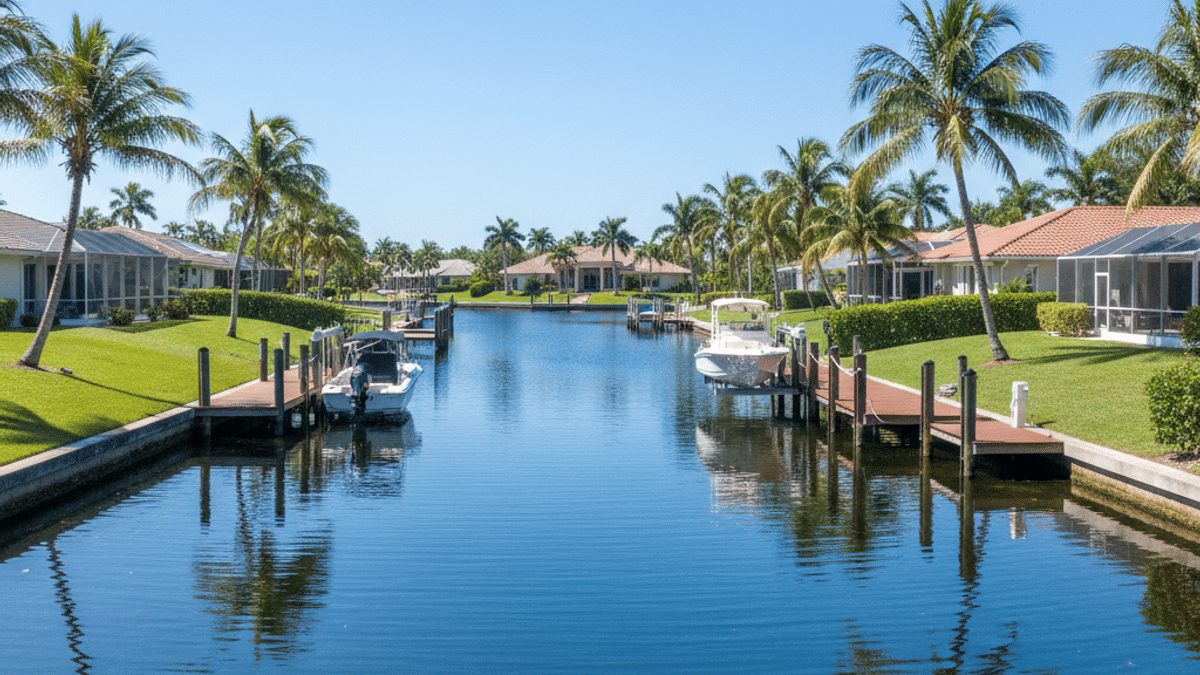
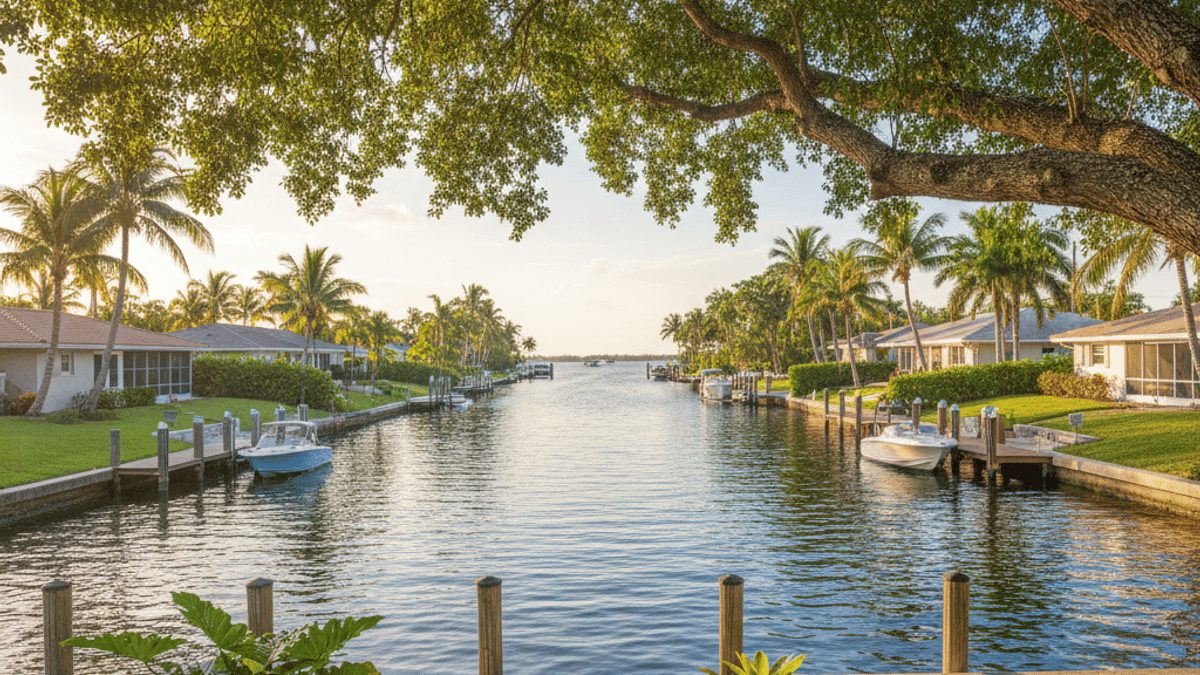
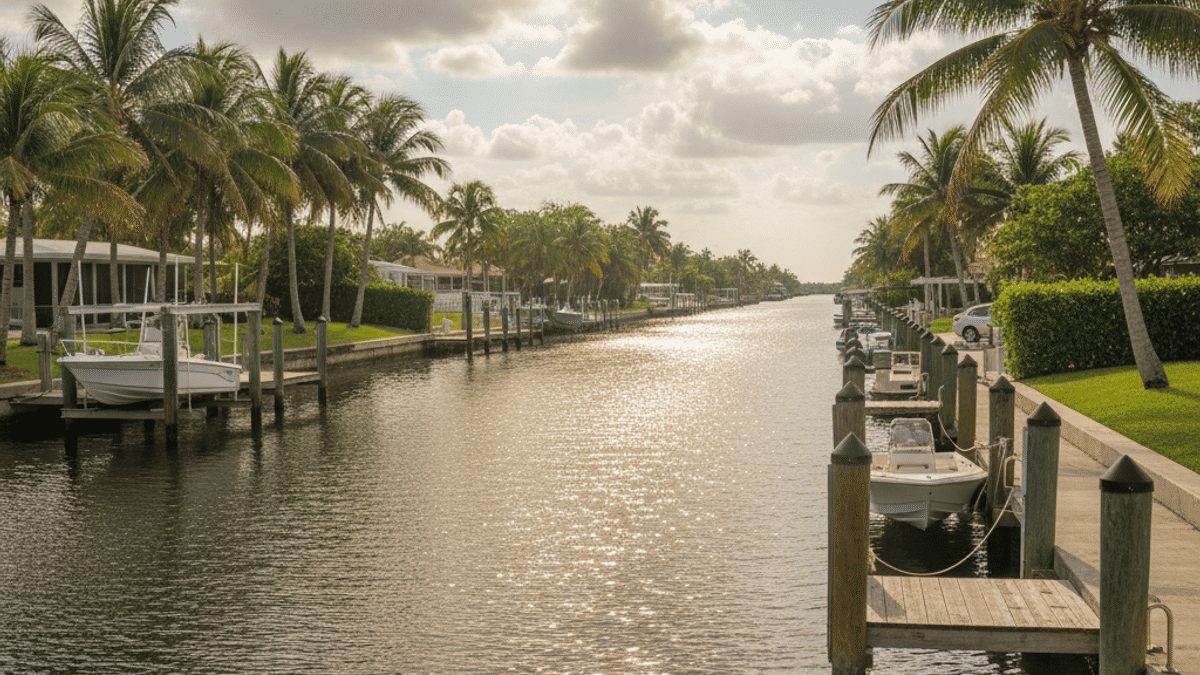
Entertainment spends hide in plain sight. A Saturday on the sand might feel free but parking meters run two dollars per hour if you drag your feet finding a resident pass. Boat storage is where jaws drop. Dry racks at the Hillsboro Inlet cost $28 to $32 per foot each month. Owners of a modest 23-footer therefore pay roughly $700 just to keep their toy off the driveway.
Locals swear by free concerts at the Great Lawn on Atlantic Boulevard, art fairs on Bailey Contemporary Arts campus, and Wednesday farmers markets, all cheap ways to scratch the fun itch without swiping plastic.
Seasonal swings? Yes. Winter population spikes twenty percent and that nudges Uber fares, restaurant wait times, and tee-time fees upward. Shoulder months May and September are the sweet spot where you snag two-for-one entrées and half-price marina slips.
Fuel for Thought: Gas Prices and More
Regular unleaded danced around $3.46 per gallon last month, roughly 20 cents above the national mean. Commute distances run short though. A roundtrip from Palm Aire to Fort Lauderdale’s central business district uses barely a gallon. Remote workers in pajamas three days a week barely notice the difference.
Tips to trim fuel burn:
- Tri-Rail station in Cypress Creek offers free parking, hop the train to West Palm or Miami for $5 to $7 each way
- Broward B-cycle charges $15 monthly for unlimited thirty-minute rides, great for that pier run
- Carpool pick-up lots under Interstate 95 ramps remain half-empty, ideal for those who still love office culture
Factor in tolls if you depend on the Turnpike. A Pompano to Doral commute hits EasyPass for $3.78 each direction. Stack that over twenty workdays and you stand at nearly $160, a cost many transplants overlook when hunting cheaper rent far north of Miami-Dade.
What We’ve Uncovered
So where does the ledger land? Housing eats the biggest slice, insurance being the wildcard. Utilities nibble harder during hurricane season. Groceries and gas hover slightly above national norms yet can be tamed with a little planning. Taxes look friendlier once you remember zero state income tax.
All in, a single professional renting a one-bedroom and living modestly spends roughly $4,200 per month after taxes. A household of four in a three-bed single-family with one car edges closer to $6,900, mainly because insurance and childcare anchor heavy. Is Pompano Beach worth it? If daily ocean access, mild winters, and a community that still feels small sound like the lifestyle upgrade you crave, then yes. Just walk in with eyes open and spreadsheets ready.
FAQs About Living in Pompano Beach
1. How does the cost of living in Pompano Beach compare to Miami?
Miami rents for similar square footage sit 15 to 25 percent higher. Property taxes are comparable but insurance breaks slightly lower in Pompano thanks to fewer luxury high-rises.
2. Are there affordable neighborhoods in Pompano Beach with good amenities?
Look at Cresthaven, Leisureville, and parts of Lyons Park. These pockets offer mid-century homes, parks, and easy highway access without the beachfront markup.
3. How do seasonal tourist peaks impact living costs in Pompano Beach?
December through April raises Uber surges, restaurant tabs, and short-term rental pricing. Grocery costs and rent remain steady because supply chains and leases lock those in.
4. What are the most significant financial considerations for new homeowners?
Budget for wind and flood insurance first, HOA dues second, and hurricane shutter upgrades third. Those three line items surprise most newcomers.
5. Is Pompano Beach a good place for retirees in terms of cost and lifestyle?
Retirees who own outright and qualify for the homestead exemption find the mix of beach living and moderate taxes attractive. Fixed-income households should still run numbers on rising insurance and HOA assessments before signing.