Overview
Picture a pocket-size beach town where flip-flops outnumber loafers and the Atlantic is never more than a short stroll away. That is Lauderdale-by-the-Sea, or LBTS if you want to sound like a local. About 6,700 residents call this stretch of barrier-island home in early 2025 and the headcount has nudged up roughly one percent a year since 2020. The median household income sits near $94,000 while the median sales price for a single-family property hovers around $760,000, well above the statewide average yet noticeably lower than the ritzy zip codes just south. New owners are still arriving, lured by salt air and strong resale numbers, though inventory has inched upward for the first time in three years. Before you pack a moving truck, here are the five things you absolutely need to know.
Sunrise, Saltwater, Repeat
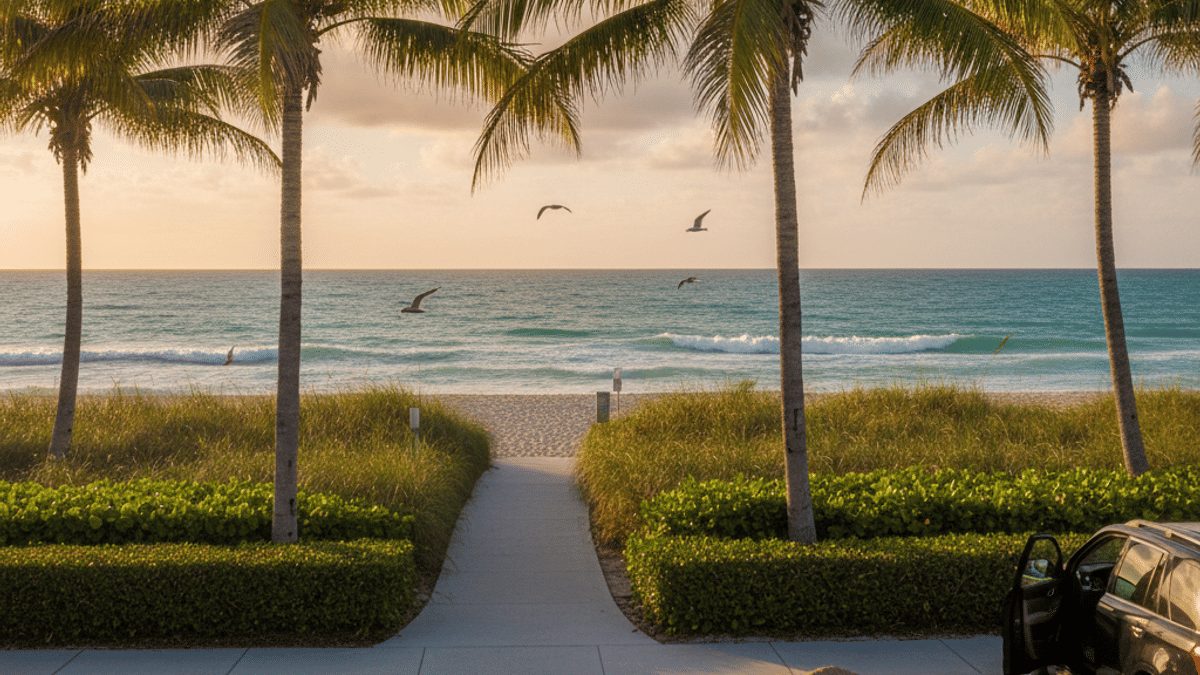
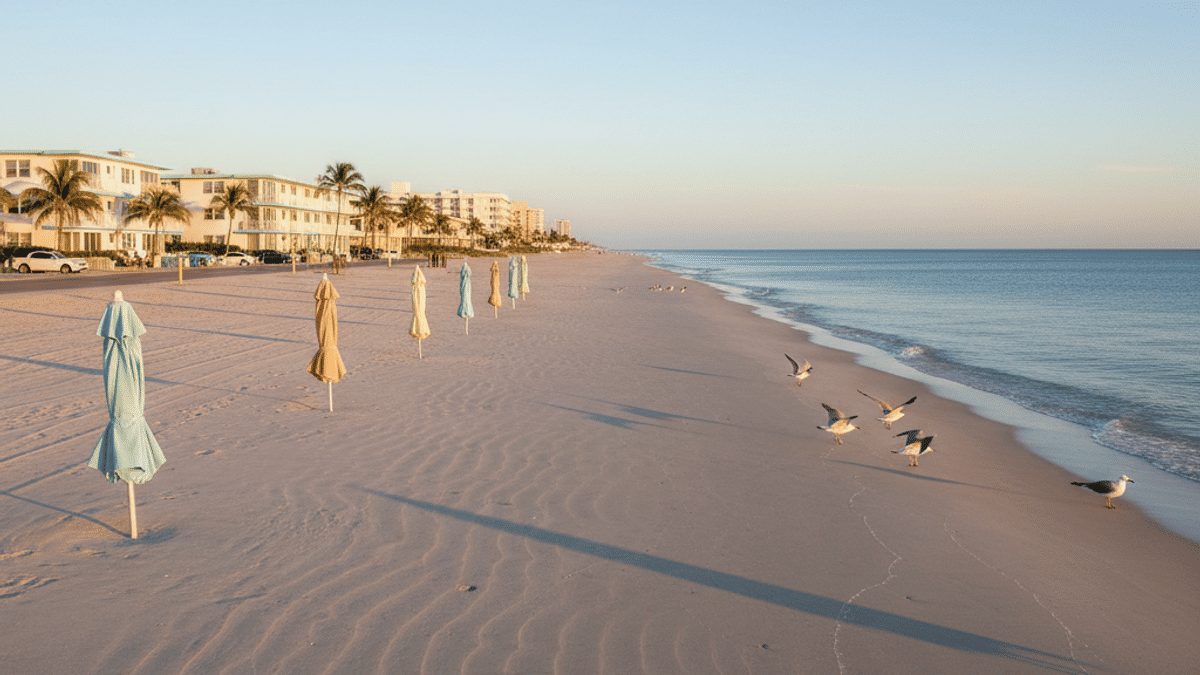
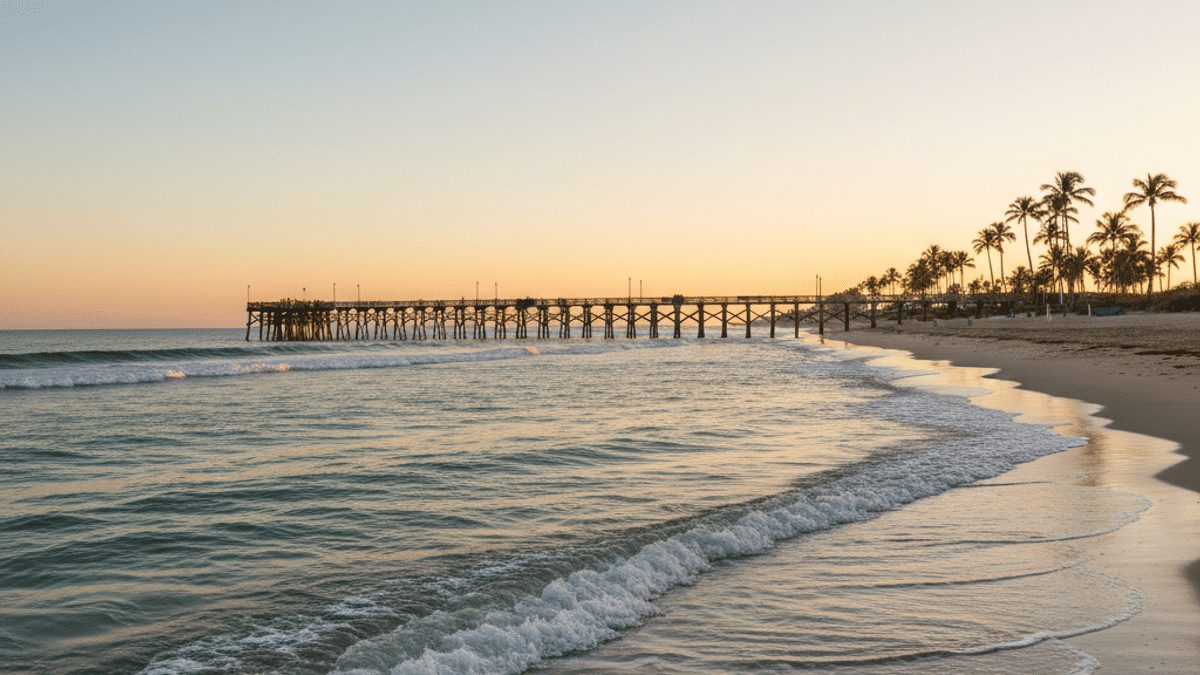
You cannot talk about Moving to Lauderdale-by-the-Sea without talking about the shoreline. The whole town is barely a mile and a half wide so the ocean feels like a friendly neighbor who keeps dropping by. Dawn is when the regulars claim their sand patch, a quiet ritual involving coffee, pelicans, and that first pop of orange on the horizon. Later the vibe flips to snorkeling tours, paddleboards, and anglers working the iconic pier. Many newcomers are surprised that the reef system begins only a couple hundred feet from the beach. No long boat ride needed, just mask up, fin down, and you are hovering over coral. The municipal government guards that reef aggressively with strict motorized-watercraft zones, so underwater visibility usually impresses.
Community events keep the shoreline from feeling like a tourist-only playground. The Friday night street dance on Commercial Boulevard, free to all, morphs the main drag into a block party. Holiday Santa drops in on a fire truck, music festivals fill the green at nearby Anglin’s Square, and the weekly farmers market slings heirloom tomatoes beside handmade soaps. Locals call it a permanent staycation, though it is not purely laid-back. Summer storms can chew up your front yard and hurricane shutters are not optional décor. Parking is tight, especially around the pier, so plan on bikes or golf carts for quick hops. If your heart says sunrise swims are worth a little salt on the car, LBTS delivers day after day.
What on Earth Is Going On With Prices
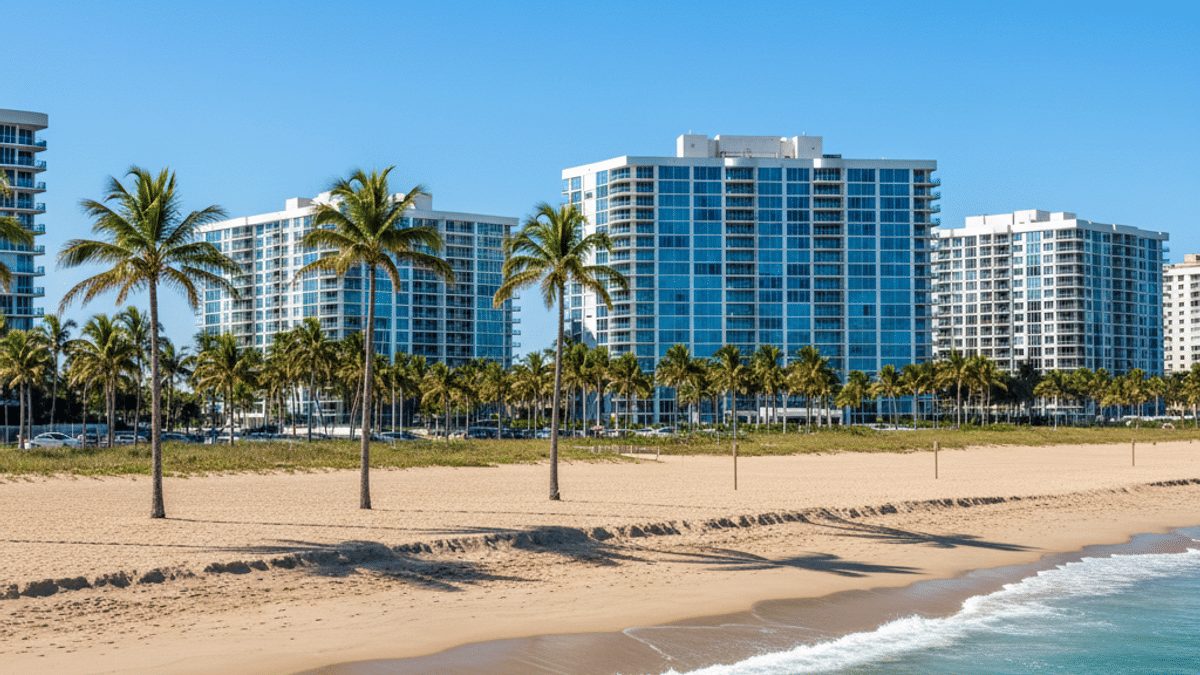
The 2025 real-estate scoreboard shows median list price up seven percent year over year, marking a slower climb than the sizzling double-digit spikes of 2022. Inventory is at 3.1 months, double the pandemic low but still tilted toward sellers. Cash offers account for about 46 percent of transactions, so buyers leaning on conventional mortgages need every paperwork duck lined up. Condos dominate the landscape, roughly 70 percent of residential stock. Many buildings date back to the 1960s concrete-fortress era, yet most have undergone major structural recertification thanks to post-Surfside regulations. Assessment fees can surprise the unprepared, so dig into those reserve studies before writing a deposit check.
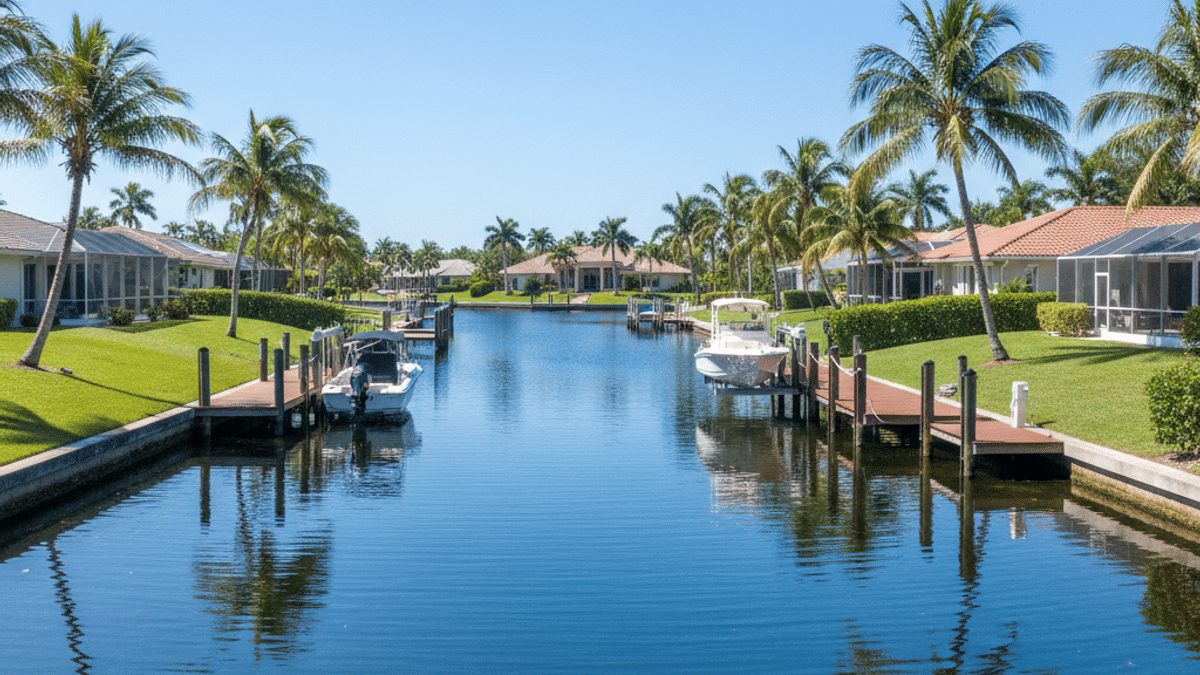
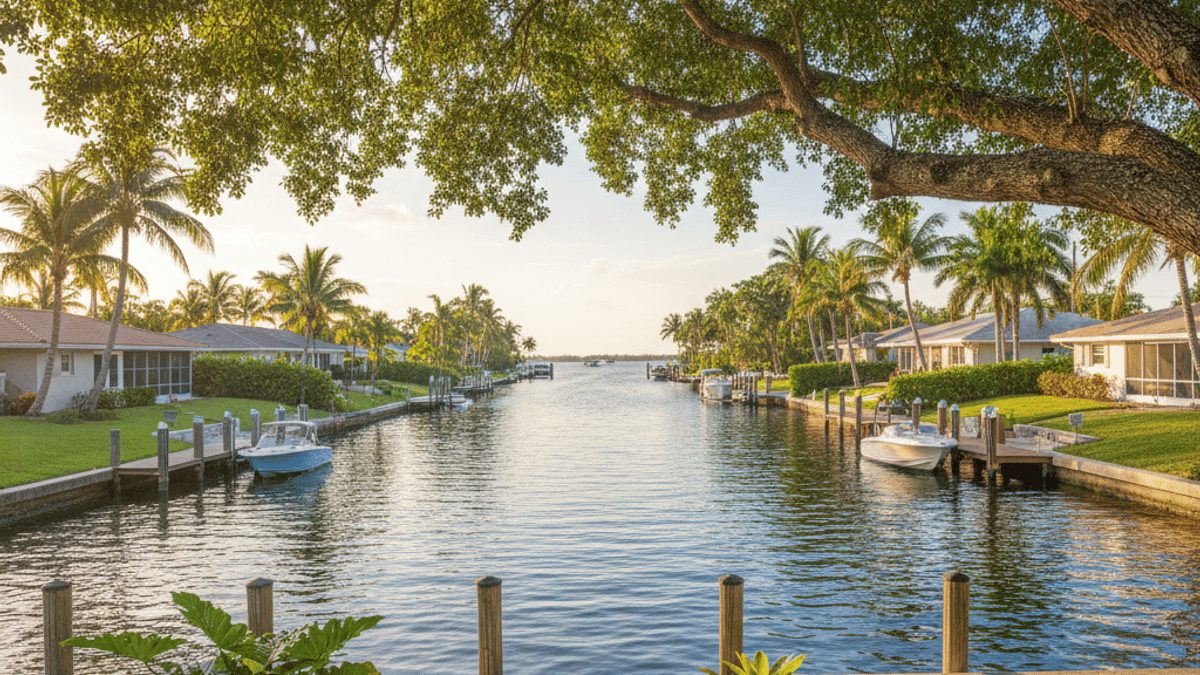
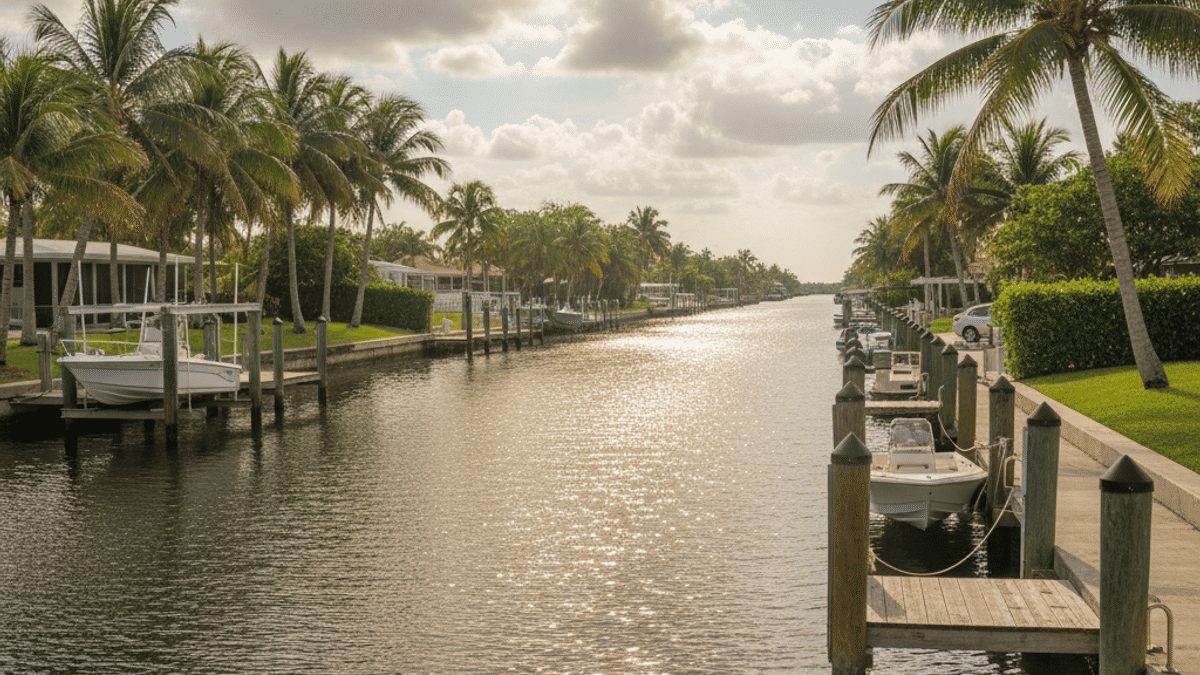
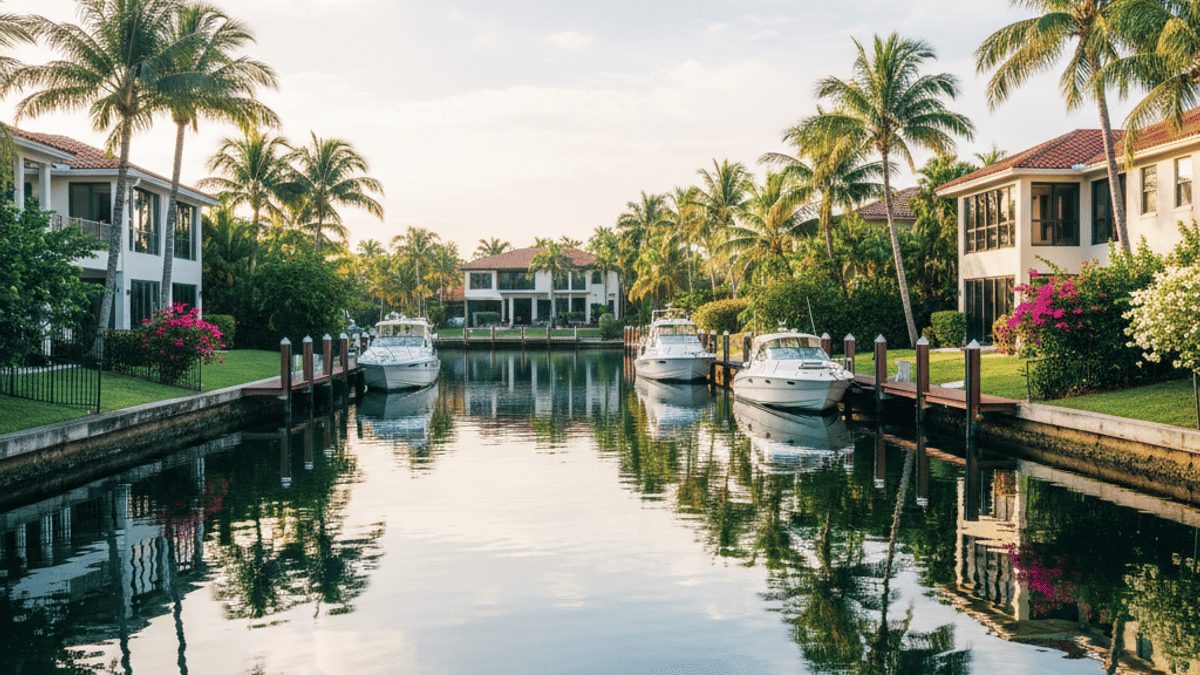
Single-family options sit on the west side of A1A and range from mid-century cottages to knock-down rebuilds flirting with eight figures. Waterfront canal homes occasionally pop on the market and vanish within days, usually to out-of-state buyers who crave dockage. Speaking of outsiders, net migration remains positive but momentum has cooled. Remote-work arrivals still trickle in from the Northeast and Midwest, though rising insurance premiums have trimmed some enthusiasm. Replacement cost to insure an ocean-adjacent structure jumped roughly 23 percent in the past twelve months. Budget a grand a month for coverage on a 2,000-square-foot home and you will not be shocked later.
Investors ask whether a bubble lurks. Local appraisers counter with rental numbers. An oceanfront two-bedroom furnished unit can fetch $5,500 a month in peak season and short-term permits exist if you join the town’s strict licensing scheme. Cap rates between four and five percent remain common. That margin is not Las Vegas flashy, yet the supply-constrained shoreline plus ever-tight zoning keeps long-term risk lower than many inland plays. Translation, you can still buy smart, just do your homework.
Work, Play, Paychecks
Nobody moves here for a sky-high corporate ladder, yet a surprising number of residents work decent gigs without crossing county lines. Tourism, hospitality, boutique retail, marine services, and remote tech roles top the roster. Within a fifteen-minute radius you hit Holy Cross Health, Nova Southeastern University research labs, and the ever-expanding Port Everglades logistics complex. Employment numbers for Broward County show unemployment trending near 2.9 percent in quarter one of 2025, tighter than the national average. Employers love that Fort Lauderdale-Hollywood International Airport sits an eight-mile Uber ride away.
Commuting into downtown Fort Lauderdale runs fifteen to twenty minutes off-peak, double that when drawbridges stall A1A. Many residents simply skip the stress. High-speed fiber blankets most of the area so Zoom meetings happen in shorts and flip-flops from the balcony. Cowork spaces on Commercial Boulevard rent desks by the day, free coffee included, for solopreneurs craving a backdrop of human voices.
Earning power varies wildly. Bartenders on the pier might clear forty grand while marine engineers double or triple that number. Household budgets must also tackle the Florida trifecta of flood insurance, wind coverage, and property taxes. Broward’s average effective tax rate runs 0.98 percent. A $750,000 assessed value will cost about $7,350 each year before exemptions. Plan ahead, pad your monthly escrow, and the bill will not sting.
Community Pulse
LBTS was incorporated in the 1940s and the original beach-bungalow soul still shows up in tiny details. String lights hang between old masonry storefronts, town staff ride around on utility carts, and yearly festivals lean more quirky than corporate. You will spot retirees in the chess gazebo, digital nomads tapping laptops at the oceanfront pavilion, and paddleboard yogis floating in lotus at dawn. The blend feels casual, seldom cliquish. Neighbors trade pool skimmers and hurricane shutters in the same morning.
Food options punch above the town’s size. You can bounce from lobster rolls at Aruba Beach Cafe to scratch-made pasta at Pomperdale. Monday nights crowd into TacoCraft, Wednesday seafood boils happen at Billy Jack’s, and every weekend a new craft-beer pop-up sneaks into an alley you thought was a loading zone. Grocery choices include a Publix on Sea Grape Drive plus specialty markets for organic produce. Drive ten minutes north and you hit a Costco if you need forty rolls of paper towels.
School zoning funnels to Broward County Public Schools. The closest elementary and middle campuses sit over the Intracoastal in Lauderdale, reachable by a short bus hop or a parent’s quick bridge drive. High-school students head to Fort Lauderdale High or magnet programs elsewhere in the county. Private and charter options scatter within a six-mile radius for those who want alternatives.
Town services remain refreshingly approachable. You can email the city manager directly and get a response the same day. Trash pickup runs twice a week, yard debris once, and special bulk pickups run monthly. Utility lines are buried in most districts, trimming outage times after storms. The Public Works crew knows which streets flood first and posts pump schedules online during any named storm. Translation, you rarely feel ignored.
The Good, the Not so Shiny
Pros first. Beach access without Fort Lauderdale traffic. Strong resale values paired with a genuine small-town vibe. A year-round outdoor calendar that never costs much more than sunscreen and bottled water. And let us not forget the reef at your doorstep.
Now the reality checks. Home insurance is the elephant in every closing room. Policies keep climbing, sometimes faster than wages. Condos might require special assessments for structural upgrades. Parking scarcity can frustrate anyone who owns more than one vehicle. Seasonal tourism doubles the foot traffic from December through April, so the tiny grocery lot feels extra tiny. Finally, if you thrive on big-city nightlife, LBTS might feel sleepy after midnight.
Weigh the list honestly. If your happiness meter spikes at sunrise surf sessions and neighbors who learn your dog’s name before yours, this slice of sand might be your forever place.
Wrapping Up
Moving to Lauderdale-by-the-Sea comes down to trade-offs. You gain instant ocean therapy, a market that still shows healthy appreciation, and a community that waves hello on the sidewalk. You also inherit higher insurance premiums, older building stock, and seasonal crowds. The economy runs on tourism yet offers enough remote-work infrastructure to satisfy laptop warriors. Real estate inventory is growing but remains tight, so preparation beats impulse every time. Step through the five keys above, crunch real numbers rather than daydream figures, and visit midweek to feel the rhythm minus vacation buzz. Hit those marks and you will know whether LBTS is calling your name or just flirting. Your move.
FAQs
How does the cost of living in Lauderdale-by-the-Sea compare with Miami or West Palm Beach?
Expect groceries and dining to mirror Broward County averages while housing sits below Miami Beach yet above inland suburbs. Utilities match the coastal premium, mainly due to wind and flood insurance.
Is public transit an option or do I need a car?
You can ride the free Pelican Hopper shuttle within town limits and connect to Broward County Transit buses for longer runs. A car still helps for Costco trips or late-night airport runs.
What school choices exist nearby?
Zoned public campuses include McNab Elementary, Pompano Beach Middle, and Fort Lauderdale High. Several charter and private academies operate within a fifteen-minute drive for added flexibility.
How close is healthcare?
Holy Cross Health lies five miles west and Broward Health Medical Center is about nine miles south. Urgent-care clinics dot Commercial Boulevard for minor needs.
What sets Lauderdale-by-the-Sea apart from other Florida beach towns?
The living reef steps off the sand, the walk-everywhere layout, and the way locals still know each other by first name even in peak season. It feels like a village that just happens to sit on prime oceanfront real estate.