Overview
Flip open any Florida map, squash your thumb between Boca Raton and Fort Lauderdale, and you will land on Lighthouse Point. The city clocks in at roughly 10,700 residents, give or take the seasonal snow-bird crowd. Latest county data tagged the median sale price at about $1.17 million in early 2025, up 8 percent year-over-year, while only a sliver of listings linger longer than forty days. Translation: people are still coming, not bailing. About one-third of all deals last year were cash, a hint that out-of-state buyers keep fueling demand. If you are flirting with Moving to Lighthouse Point, start with five truths: waterfront rules everything, boating culture sneaks into daily life, insurance costs sting, the vibe is fiercely local, and hurricane prep is not optional. Ready to dig deeper? Let’s roll.
Homes That Hug the Water
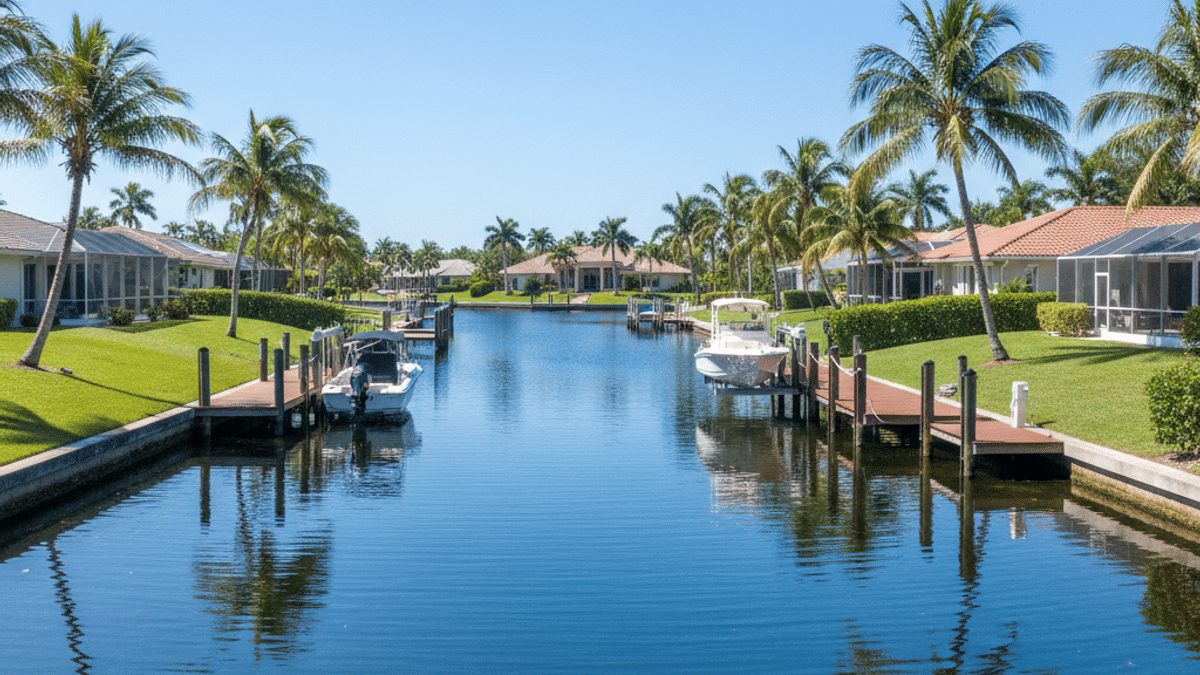
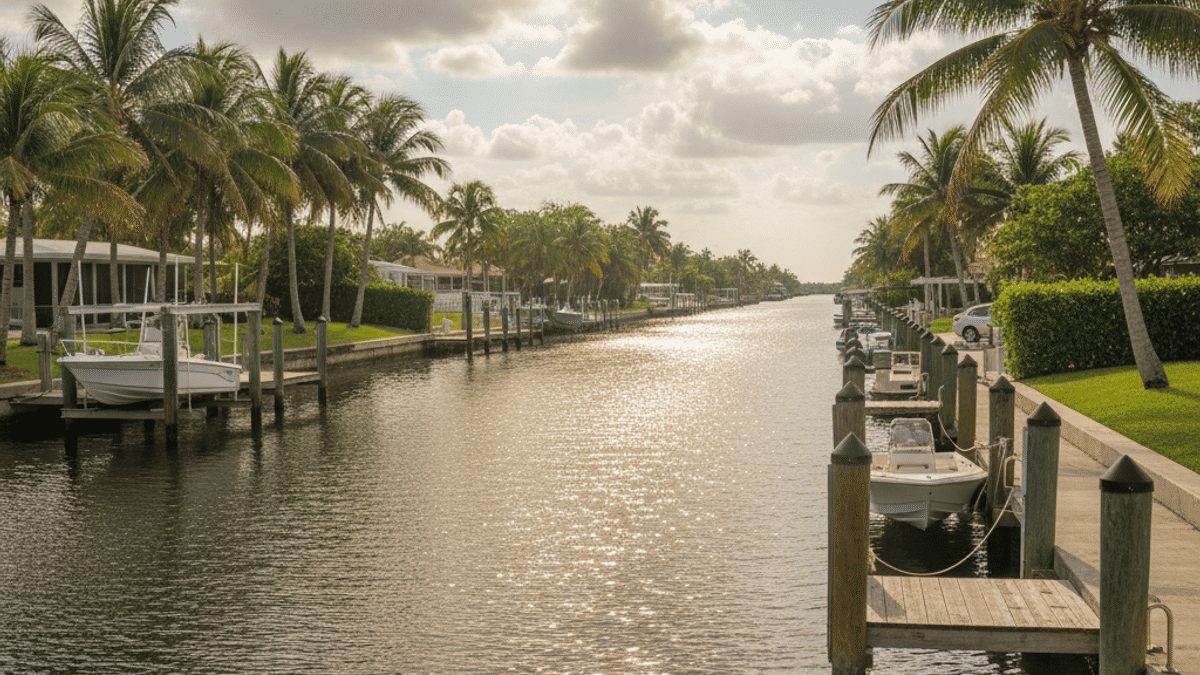
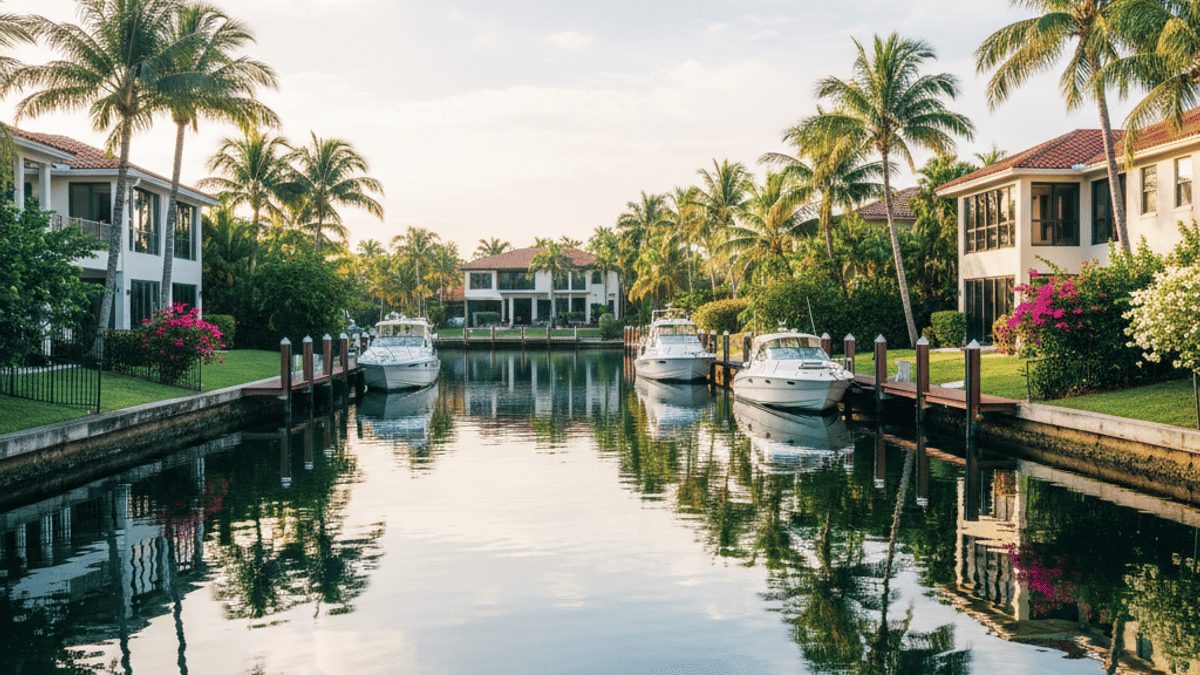
Waterfront first, everything else second. That is how real estate works here. Roughly 80 percent of the city’s shoreline lots include private dockage, and deep-water canals stretch like leafy fingers toward the Intracoastal. You will see asking prices swing from $900k for a 1960s ranch that needs a facelift to $6 million for a brand-new coastal-contemporary with a 100-foot dock. Dry-lot homes two or three streets inland average closer to $750k, though 1950s concrete block cottages pop up in the high sixes if you stalk listings long enough.
Inventory is tight. Fewer than seventy single-family homes hit the market during the entire 2024 calendar year. That means sellers hold most of the cards. Multiple-offer shoot-outs feel normal, not rare. If you are financing, strong pre-approval letters help, but flexible closing timelines and clean contingencies help more. Cash is king, sure, yet several buyers won last quarter by covering appraisal gaps out of pocket.
Renters, you are not ignored, just squeezed. Annual leases for a three-bed canal home hover near $8,500 per month. Condos in Lighthouse Harbor punch in around $3,500, but expect strict association approvals and healthy security deposits. Leases shorter than six months trigger extra county taxes, so landlords often refuse them outright.
New development? Mostly infill teardown projects. Builders chase the last handful of oversized lots east of NE 24th Avenue, scraping mid-century houses and erecting stilted, two-story marvels. Zoning remains single-family for the bulk of the city, so high-rise towers are not on the horizon. If your dream includes sky-scraping views, look north to Pompano instead.
Bottom line: Moving to Lighthouse Point means accepting that water shapes price, pace, and possibility. Start your search with a budget ceiling, then ask yourself one question: how badly do I need my own dock?
Boats, Bridges, and the Odd Manatee
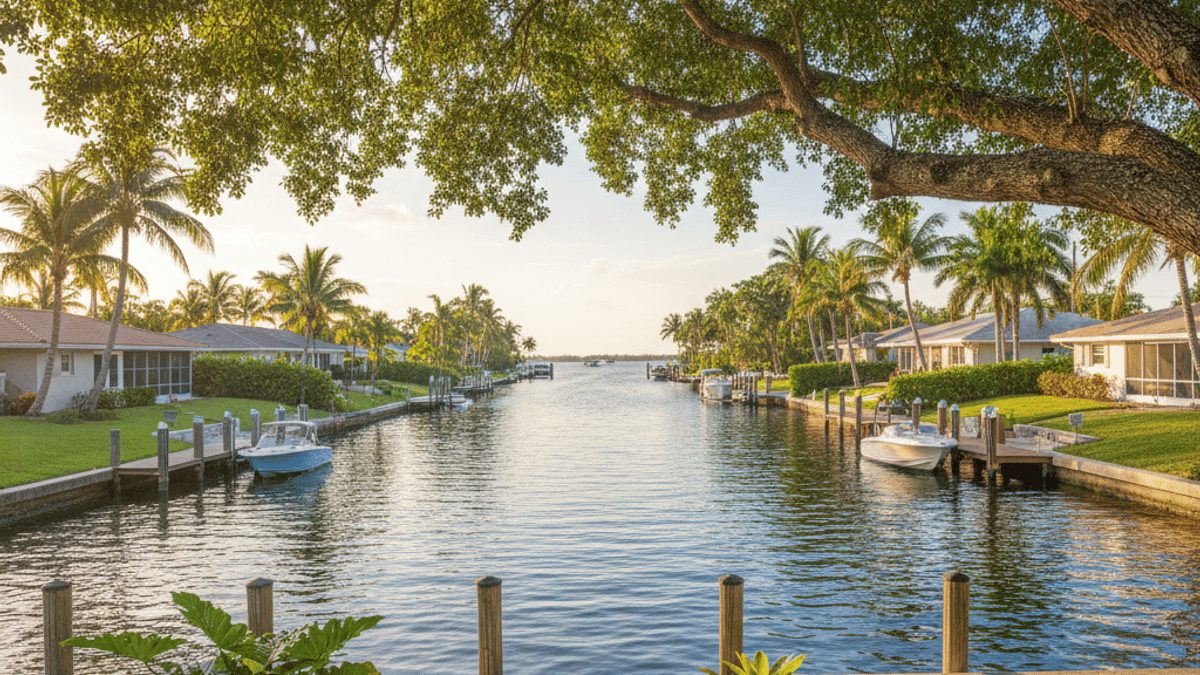
Locals joke that Lighthouse Point is a boating town with a zip code. They are not wrong. Thirty miles of interior canals weave through the city, and three fixed bridges sit between most homes and the open Atlantic. Bridge clearances top out near ten feet, so center-consoles and sailboats with tall masts anchor farther east or head to private marinas.
If you own a vessel or intend to, learn the tides. Peak low tide can shave two feet off clearance, turning a carefree cruise into a fiberglass-scraping nightmare. Many homeowners install tide boards at the end of their docks for quick checks. Weekend routine looks like this: coffee, check tide chart, slide off the lift, and cruise north to Lake Boca or south toward the sandbar off Hillsboro Inlet.
No boat? You will still feel the water culture seeping in. Seafood shacks allow docking next to patio tables, the city’s 64-acre Dan Witt Park hosts an annual nautical flea market, and children in swim trunks pedal canal-side on their way to fishing spots after school.
Green spaces exist beyond seawalls. Exchange Club Park, tucked on an island in the middle of the Intracoastal, is accessible only by water taxi. Inside you will find shady oak canopies, grills, and the occasional manatee munching water hyacinth. Looking for something more structured? The Lighthouse Point Tennis Center runs year-round leagues under LED lights.
Social life leans casual. Residents in flip-flops crowd Nauti Dawg Café for marina-side music. Across the street, Cap’s Place—Florida’s oldest floating restaurant—requires a tiny shuttle boat to reach the door. Dinner conversations swing from reef conditions to insurance deductibles faster than you can say mahi-tacos.
Ask yourself this: do you like the smell of salt on your windshield? If yes, Moving to Lighthouse Point will feel like slipping into your favorite deck shoes. If no, the constant slap of halyard lines against aluminum masts may drive you bonkers.
Money Talk: The Real Cost of Quiet Luxury
Pretty canals come with price tags beyond the mortgage. Property insurance bites hardest. Average annual premiums for waterfront homes pushed past $11,000 in 2024, according to Broward County underwriters, thanks to rising rebuild costs and a stubborn reinsurance market. Elevation certificates and wind-mitigation reports can trim rates, though older roofs erase most savings.
Utility bills stay gentler. City water, sewer, and trash tally about $160 per month for a three-bed home. Electric usage spikes mid-summer when air-conditioning rarely shuts off; expect $350 ranges if your system is vintage or your sliding doors leak air. Solar panels remain a niche play, but the flat, sun-drenched roofs beg for it.
Groceries align with broader South Florida averages. Publix, Trader Joe’s in Boca, and Whole Foods in Pompano cover nearly all tastes, with weekend farmers’ markets popping up in nearby Lauderdale-By-The-Sea. Restaurant price points run from $14 fish-and-chips baskets at Le Bistro’s patio bar to $120 omakase at Papa’s Raw Bar, if you snag reservations.
Commuting costs vary. Lighthouse Point hugs US-1 and sits six miles east of I-95. Morning traffic thickens on Sample Road, yet many residents work remote or operate businesses from home. Brightline’s high-speed rail stop in Boca shaves travel time to Miami, so corporate day-trippers often park there and ride south. Gas stations along Federal Highway stay competitive, but buying a hybrid still makes sense if you dash to Miami International twice a week.
Median household income landed near $118,000 in 2025, up 9 percent in three years. That feels comfortable, yet with seven-figure home prices, healthy reserves remain wise. Closing costs alone average $40k on a one-million-dollar purchase once you add doc stamps and prepaid items.
Run your own numbers before Moving to Lighthouse Point. Can you handle a mortgage, insurance, rising flood assessments, and still afford a decent boat toy fund? If the answer is not a quick yes, keep renting until it is.
Weather and Practical Stuff Guides Skip
Let us talk storms. Lighthouse Point sits a hair above sea level, with no barrier islands shielding it from Atlantic swells. Peak hurricane season, late August through early October, puts residents on constant forecast refresh. Most houses carry impact windows and buried power lines, yet owning a generator feels like religion. City building code now requires new homes to anchor roofs with stainless straps and pour extra tie-beam concrete. Translation: the place bounces back fast, but you still prep early.
Summer heat? It is sticky. Expect 90-degree highs, 75 percent humidity, and afternoon squalls that dump two inches of rain in twenty minutes. Locals schedule yard work by 8 a.m. and shift dog walks to twilight. You will sweat through a polo shirt walking from front door to driver seat. No one cares.
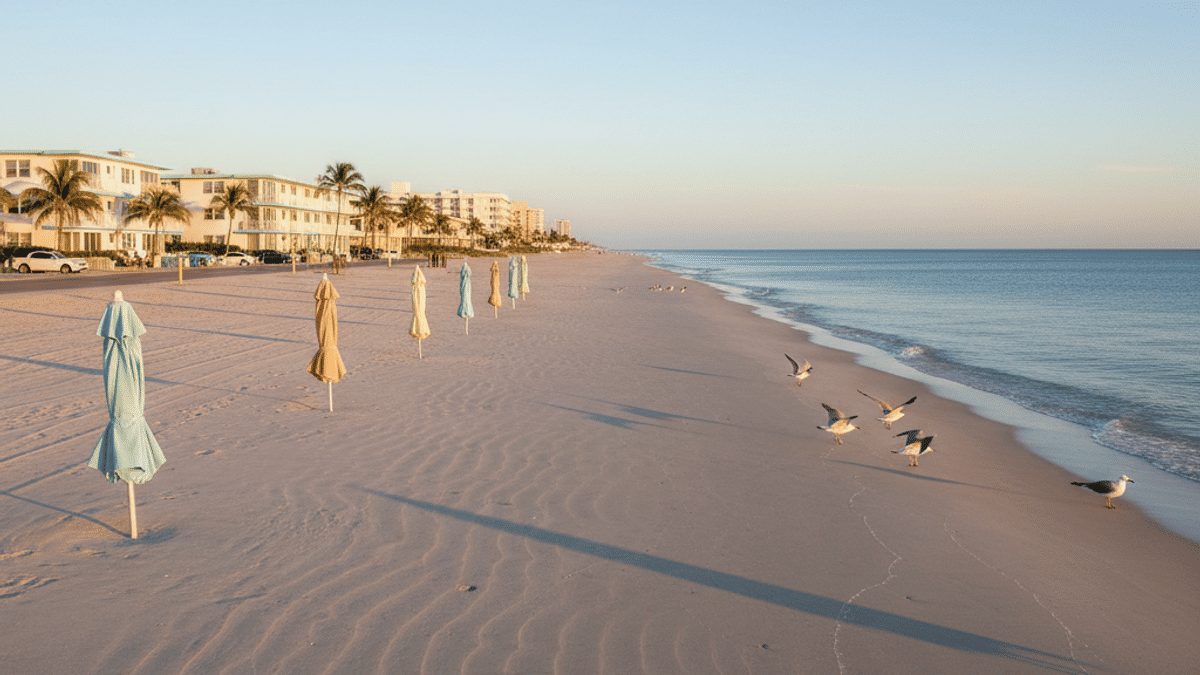
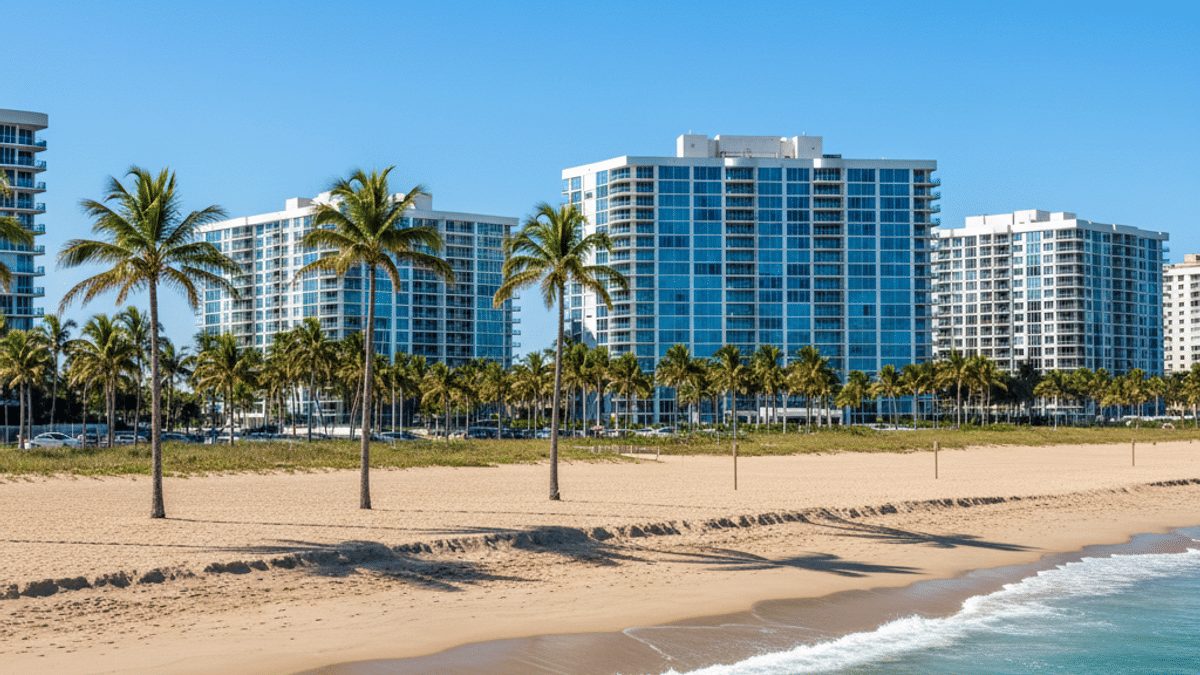
Transportation surprises newcomers. The city offers no public beach, so sand cravings push residents north to Deerfield or south to Pompano. Parking passes are cheap, but early arrival matters on holidays. Inside Lighthouse Point, golf carts zip around residential streets. A permit, reflective triangle, and good headlights keep police happy.
Healthcare is close. Broward Health North sits three miles west and Holy Cross just down US-1. Urgent-care clinics dot every other corner. Vet offices too, since dogs practically outnumber people.
School options include two well-rated elementaries directly over the city line and a magnet academy in Deerfield. Private campuses like Pine Crest and North Broward Prep run shuttles into town. Even if you do not have kids, strong academic reputations prop up resale values.
Wrap your head around the rhythm: scorching sun, mid-afternoon rain, breezy nights, storm prep drills once a year. If that routine sounds fine, Moving to Lighthouse Point may fit like a custom SPF shirt.
Wrapping Up
Lighthouse Point is not just another South Florida postcard. It is a micro-market where docks beat driveways, neighbors wave from decks instead of porches, and real-estate decisions revolve around bridge heights. Housing stock stays tight, prices keep inching up, and insurance remains a wallet punch, yet residents swear the sunrise over the Inlet is worth every dime.
You learned how water shapes property values, why boating etiquette sneaks into daily life, what the true cost of comfort looks like, and how weather patterns dictate shopping schedules. We also unmasked the hidden logistics—generators, bridge clearance, flood maps—that glossy brochures ignore.
So, are you jazzed or hesitating? If the idea of living where salt spray coats your mailbox thrills you, the next step is simple: line up financing, scout those tide tables, and join the hunt. Moving to Lighthouse Point could be the bold shift your lifestyle craves.
FAQs
- How long does it usually take to close on a home in Lighthouse Point?
Thirty to forty-five days for financed deals, sometimes ten if both parties pay cash and title work is clean. - Can I keep a large sport-fishing boat behind my house?
Yes, provided the canal is wide enough and the fixed bridges on your route match your tower height. Always check clearance at low tide before signing a contract. - Are short-term rentals allowed inside the city?
Only in very limited pockets. Most neighborhoods require leases longer than six months, and city code enforcement is strict. - What is the vibe like in the summer when seasonal residents leave?
Quieter streets, shorter waits at restaurants, and prime dock slips at local marinas. Year-round residents call it the sweet spot. - Will I need flood insurance?
If your mortgage lender says so, yes. Many lots sit in AE or X-500 zones. Even when optional, most owners still carry a policy because canal water does not care about lines on a map.