You can stare at spreadsheets of burglary rates until your eyes blur and still miss the vibe that settles on a street once the sun slips behind the Intracoastal. Numbers help but feelings matter too. I’ve walked, biked, and driven Pompano Beach for years, so I’m going to spill what the map pins never reveal. Ready for the unpolished version? Cool, let’s roll.
Section 1. A Resident Lens On Day-To-Night Safety
1.1 How It Feels Block-by-Block
Morning along Atlantic Boulevard feels almost sleepy. Cafés open early, anglers line the pier, joggers breeze through with earbuds in. Most locals shrug at safety worries before noon. The chatter changes after dark. Visitors cluster near the beach bars, headlights streak along A1A, and folks keep phones closer to hand.
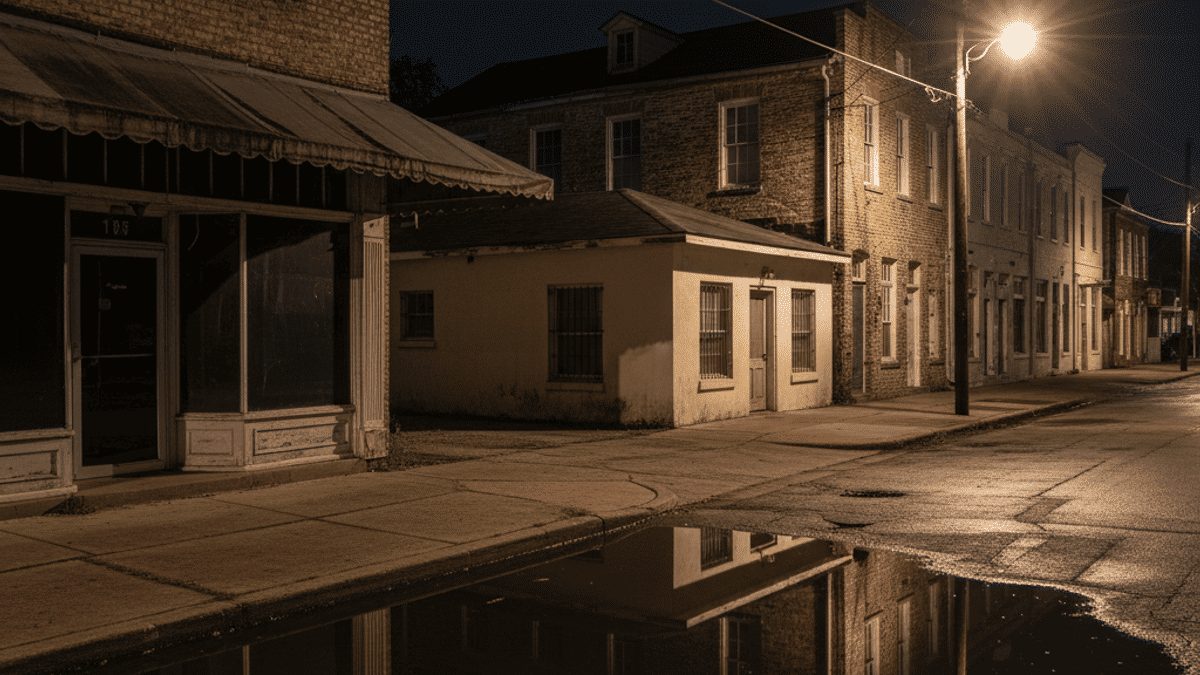
Shift inland into Old Pompano around lunchtime and you’ll see moms wheeling strollers to the library without a second thought. Same blocks at 11 p.m. get quieter, storefronts shutter, and you notice who’s walking behind you. Harbor Village residents talk about this “light switch” moment all the time. Daylight equals carefree. Nighttime demands a touch more awareness.
Over near Cypress Bend, condo dwellers mention random car break-ins more than personal confrontations. They still jog at dusk but leave nothing visible inside the vehicle. That small habit says plenty about lived reality.
1.2 Crime Stats And The Gaps They Leave
Pompano Beach sits at a Crime Index of 10 on a national scale of 1 to 100. Translation: more reported incidents than many U.S. suburbs. Yet raw numbers mash every offense together, from unlocked-bike theft to serious assault, and they treat all square miles as identical. They are not identical.
Here’s the wrinkle. Property crimes dominate the ledger. Think:
- Car break-ins outside gyms
- Porch package grabs
- Occasional condo storage room raids
Violent incidents do happen, usually concentrated around nightlife pockets just east of Dixie Highway or along certain bars off Federal. But even there, time of day drives risk harder than the ZIP code itself. Data feeds rarely separate 2 a.m. bar fights from broad-daylight grocery runs, so a buyer scanning charts might imagine chaos where locals mostly feel… alert but unpanicked.
Takeaway for a newcomer: stats flag where to keep your eyes open. They don’t dictate that you must feel on edge 24 hours.
Section 2. Micro-Neighborhood Rundown
2.1 When A Quarter-Mile Changes Everything
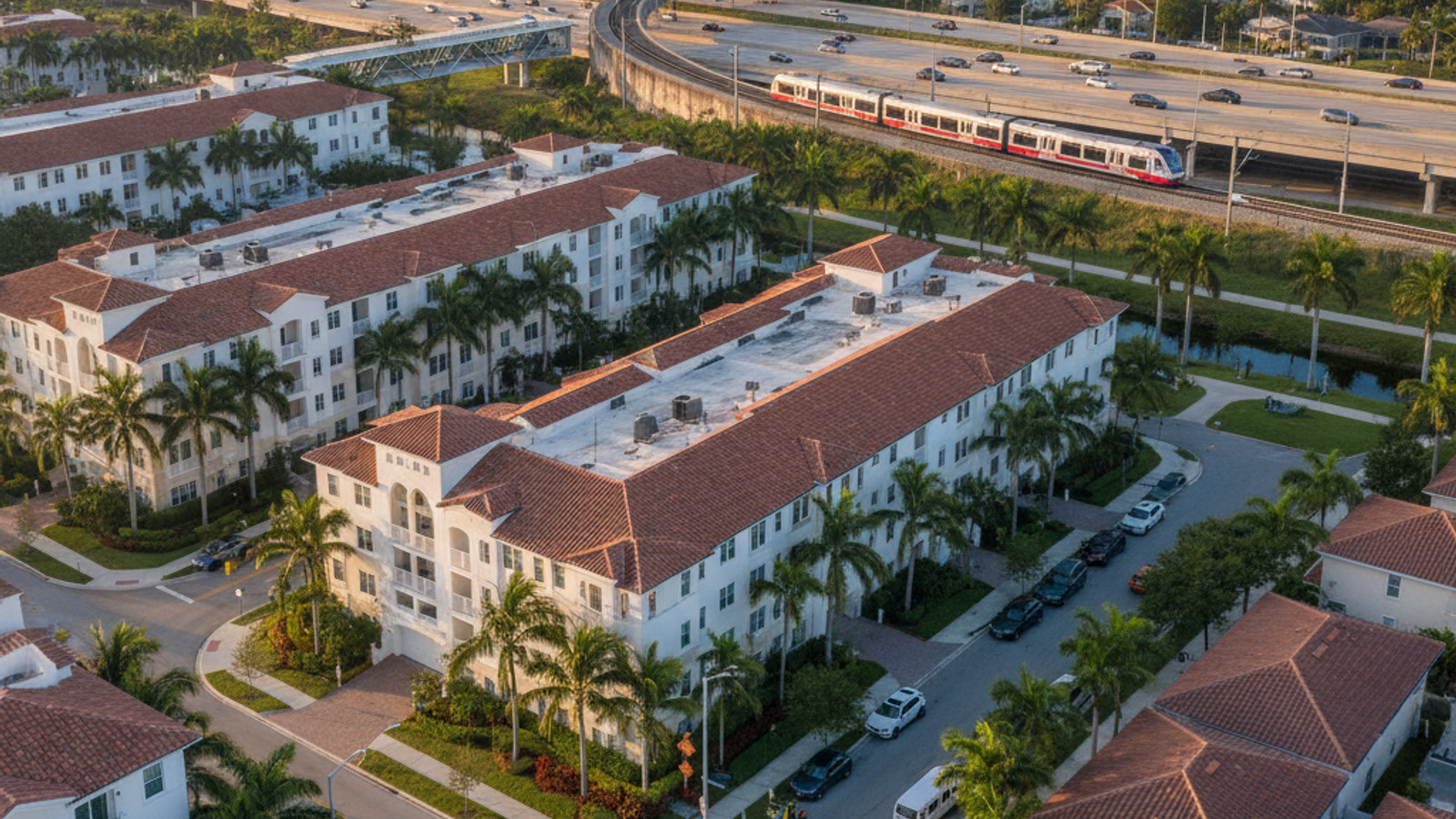
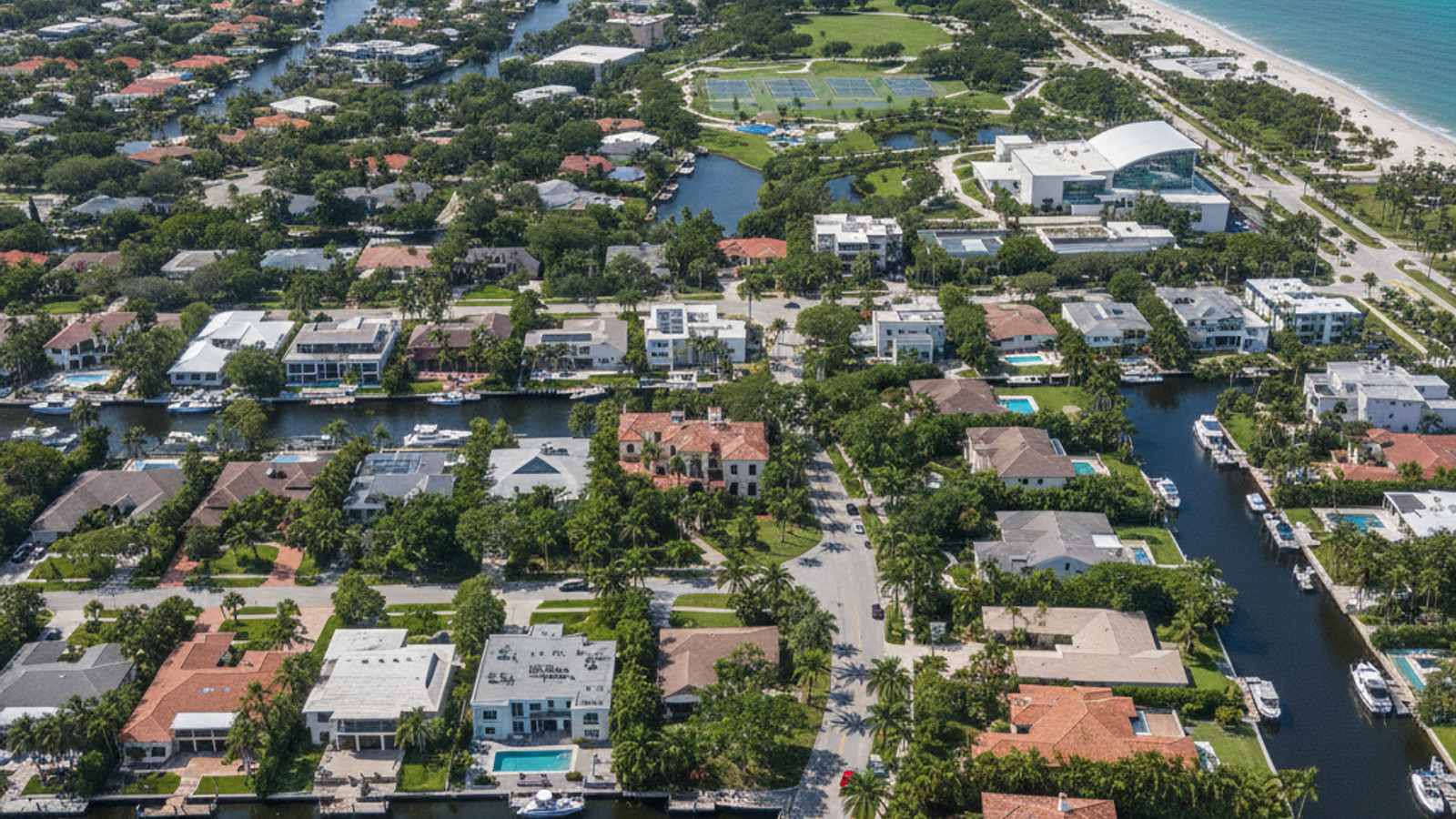
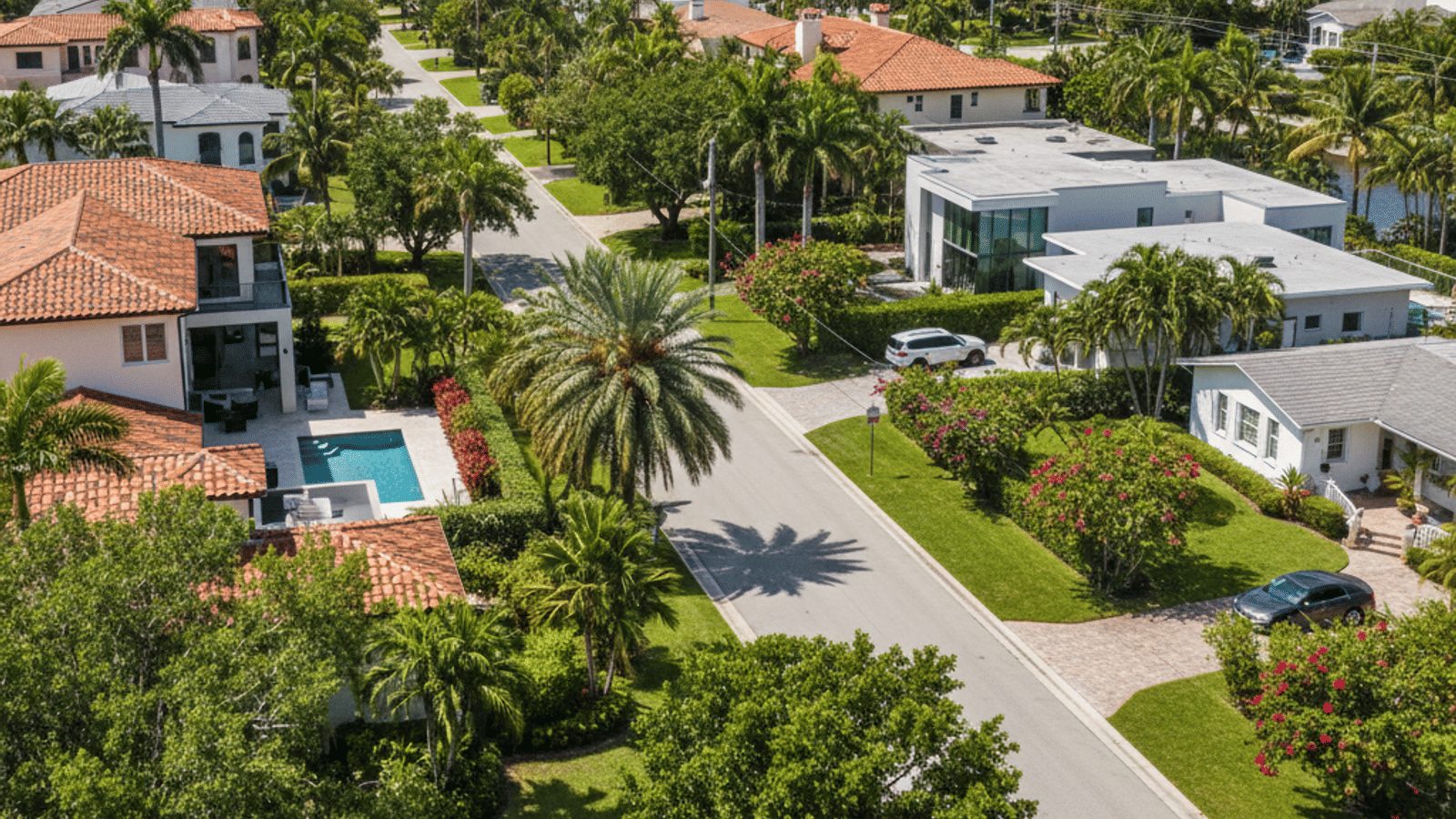
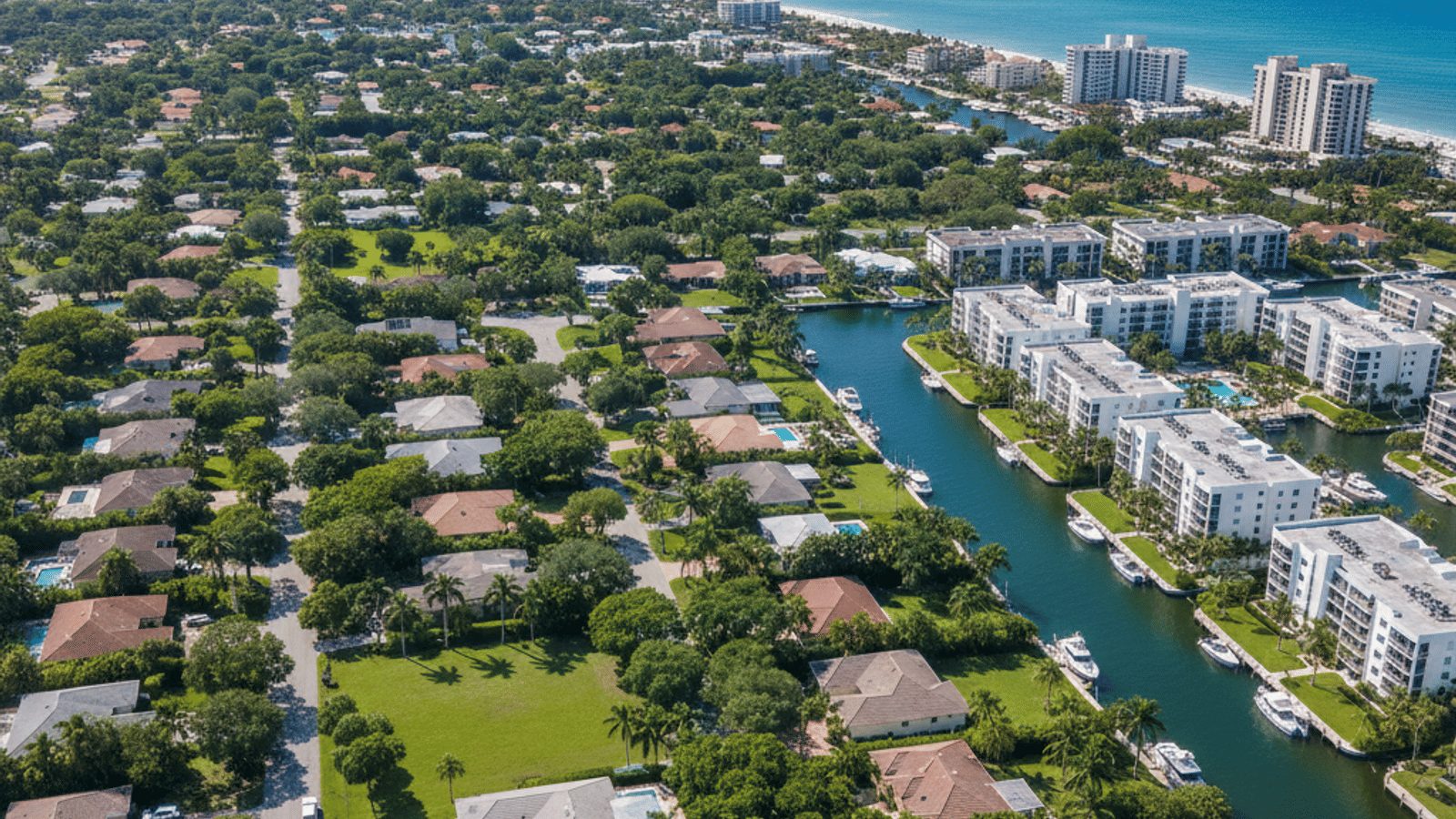
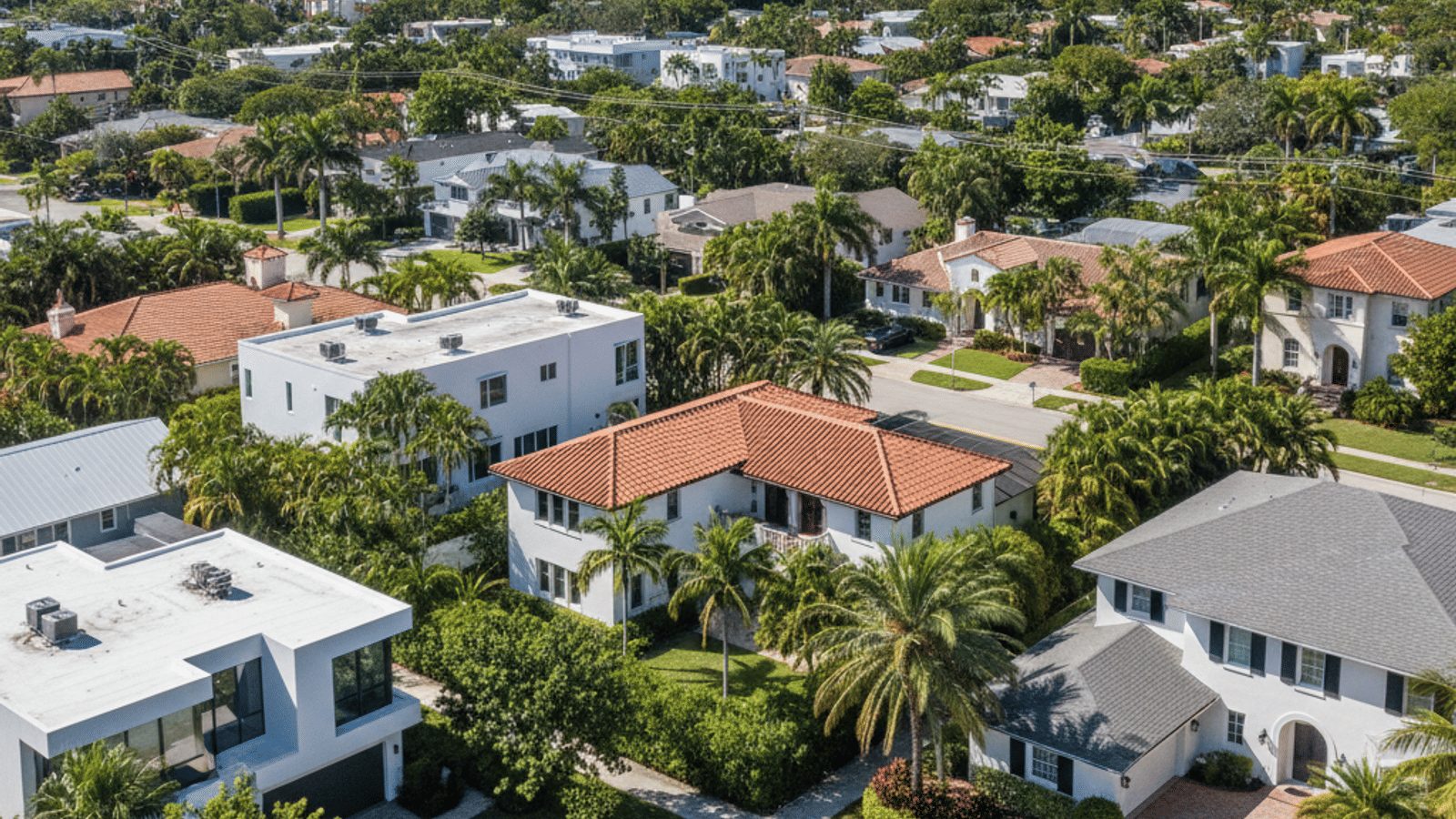
Harbor Village circles out from the marina with manicured lawns and one-way loops. Street lighting is bright, sidewalks wide, and the vibe stays social past midnight. Folks walk dogs, wave at security patrols, keep porch lights blazing. Most residents I know there talk more about speeding cars than crime.
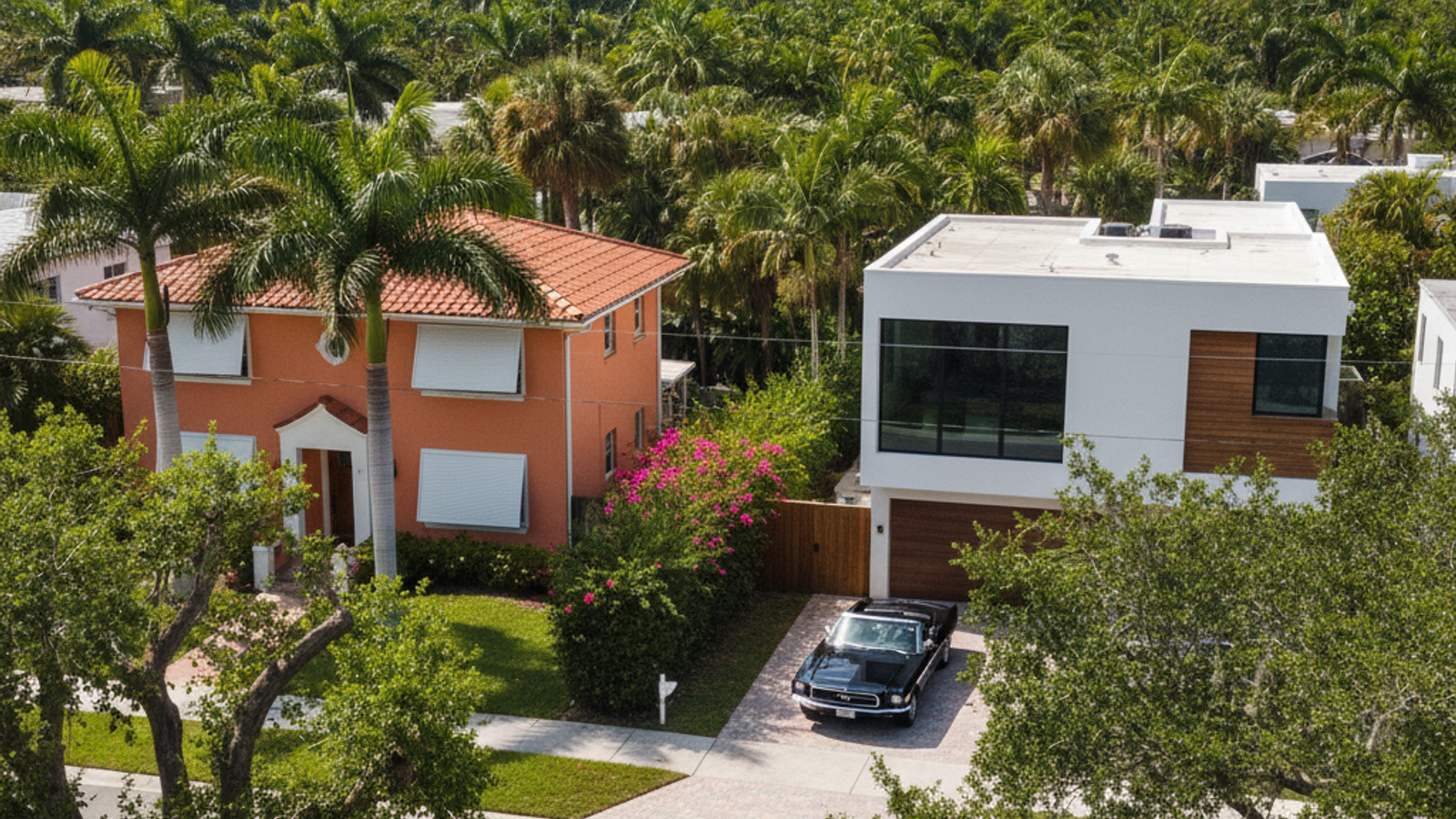
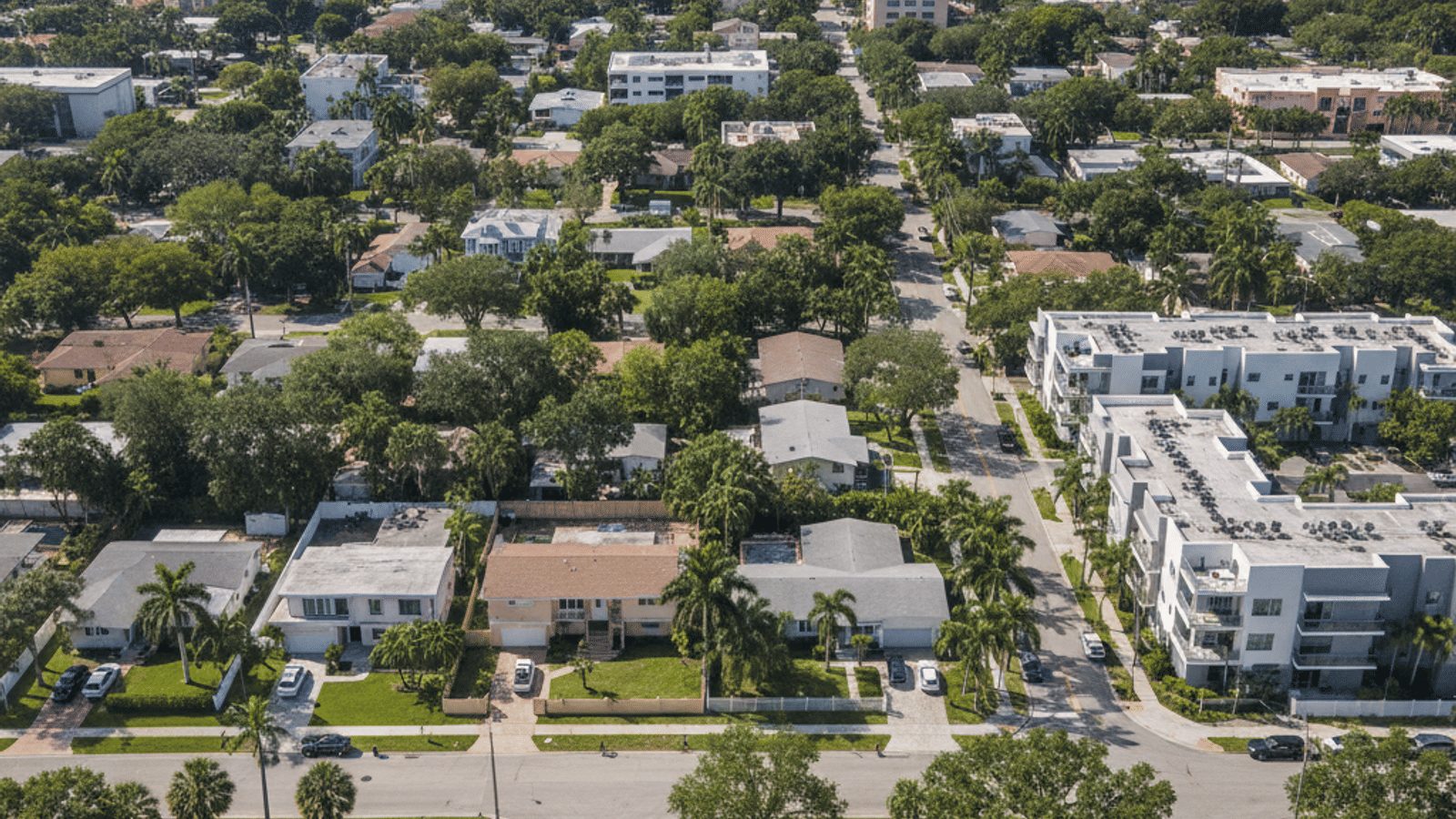
Slide west across Federal to Old Pompano and the scene tilts. Charming century-old homes stand shoulder to shoulder with modest rentals. Streetlights here can run patchy, and locals chat about the occasional catalytic-converter theft. Daytime still feels inviting thanks to parks and family-run diners, but night walks become deliberate.
Jump north to Cypress Point. Golf carts rumble past, sprinklers hiss, and neighbors actually know each other’s first names. Porch pirates still test the waters, though Amazon lockers at the Publix have reduced the drama.
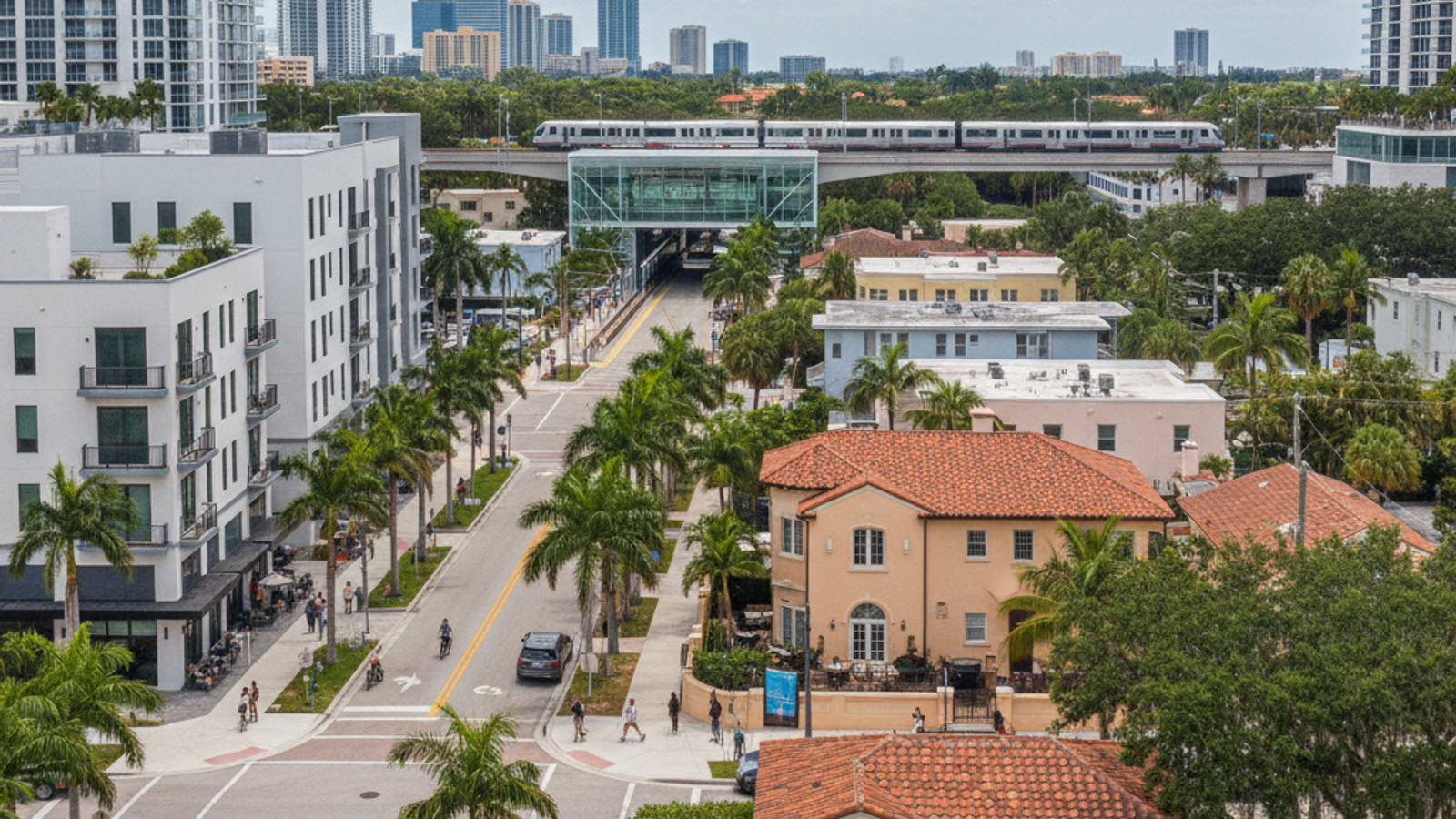
Downtown along Atlantic is its own beast. New restaurants pump music until late, rideshares swarm, and police presence is visible. Most tension comes from bar-closing scuffles, not residents, yet that is exactly when a midnight stroll draws side-eye from long-timers.
2.2 Tourist Tide And What It Means For You
Tourism peaks from December through April. Beach parking lots overflow, short-term rentals multiply, and carefree visitors forget to lock car doors. Opportunistic thieves notice. That seasonal surge also brings more foot patrols, brighter temporary lighting, and pop-up events near the pier.
Locals use a few simple hacks:
- Dine early or late to dodge pack crowds
- Choose metered parking close to cameras
- Keep wallets zipped during pier festivals
Off-season life feels calmer, almost neighborly. Summer thunderstorms chase everyone indoors, and break-ins trend downward. So, if you are scouting homes, tour during both high and low seasons. You will sense two very different energies.
Section 3. Hands-On Safety Moves For Future Residents
3.1 Night-Walk Reality Check
Pompano’s coastal strip along A1A features fresh LED streetlights, busy foot traffic, and late-open cafés. Walking there at 10 p.m.? Mostly chill. Cross the bridge toward Dixie Highway and lights thin out. Your strategy shifts:
- Stick to east-west arterials like Atlantic or Copans where traffic is steady
- Side streets after 11 p.m. work better by bike than on foot
- Use the city’s free shuttle when bars shut down instead of crossing long stretches alone
Sidewalk coverage varies. The city keeps improving gaps, yet you’ll still spot missing slabs in older pockets. Scout your potential block personally after dark before signing that lease.
3.2 Street-Smart Driving
You’ll do plenty of driving here. Glance at these heads-up points:
- Lock the car even for a sixty-second coffee dash
- Beaches post break-in alerts on digital boards, heed them
- Gas up at well-lit stations near I-95 interchanges rather than tucked-away locals after midnight
Daylight traffic is mostly tourist slow. Night traffic can turn drag-race fast on Federal. New residents find that adjusting to the rhythm, not the crime rate, makes them feel safer behind the wheel.
3.3 Neighbors Looking Out
Block captains still matter here. Cypress Bend condos host quarterly safety chats with the sheriff’s office. Harbor Village uses a private social feed that pings porch-pirate sightings in real time. Old Pompano relies on old-school methods: front-porch conversations, lights left on, and the classic “I’ll grab your mail if you travel.”
Newcomers who introduce themselves score two benefits. One, real-time tips on which alleyways need a flashlight. Two, an instant contact list in case a package disappears. It is less about a formal neighborhood watch, more about a shared phone tree.
Section 4. Reading The Data Without Panic
Crime heat maps paint the downtown corridor red yet gloss over the fact that most red dots mark petty theft of unlocked bicycles. So here is a quick framework for buyers:
- Compare day-night splits rather than monthly totals.
- Separate property offenses from confrontational ones.
- Walk or drive the block at 9 p.m. on a Thursday. Listen for music volume, look for working streetlights.
- Check city commission agendas. New lighting or security cameras often pop up there long before news coverage.
Next time you open a crime-mapping app, filter by offense type. You may find that your future street appears calm except one August rash of garage burglaries three years ago. That contextual snapshot beats raw percentile rankings every time.
Section 5. Locals Share Quick Fire Tips
I asked friends across the city to finish this sentence: “If someone moved into your building tomorrow, you’d tell them to…” Here’s what came back.
- “Leave nothing in plain sight inside the car. Nothing means nothing.”
- “Bike to the beach at sunrise, drive back around ten when parking patrols thin.”
- “Friday nights near the pier are fun, just budget extra twenty minutes for the ride-share line.”
- “Use motion lights in side yards. Costs peanuts, deters prowlers.”
- “If power flickers during summer storms, call FPL then pop outside. Outages darken blocks, so better to gather on porches and keep an eye out together.”
Notice the theme. Focus on small habits, not heroics. Pompano Beach rewards folks who stay observant without being paranoid.
Ready To Draw Your Personal Safety Map?
No one can hand you a guaranteed-safe label for any city and Pompano Beach is no exception. What you can collect is firsthand nuance. Crunch the numbers, then walk the streets at different hours. Chat with neighbors and store owners. Test your comfort level in real time.
Do that and you will know, on a gut level, whether Pompano’s ocean breezes outweigh its late-night bar noise for your lifestyle. Your move.