Buyers looking at properties in Broward County quickly realize that the local environment dictates much more than just weekend plans. Understanding the weather and climate in Fort Lauderdale FL is a crucial step in evaluating long-term holding costs and maintenance requirements. The persistent sunshine and coastal breezes are a major draw, but the reality of tropical weather patterns requires careful property selection.
As we move through 2026, building codes and insurance requirements are evolving to match the demands of the local environment. Knowing how seasonal shifts impact everything from energy bills to flood insurance premiums gives buyers a distinct advantage in the current market. Evaluating a home’s readiness for this environment ensures your investment remains secure year-round.
Navigating the Weather and Climate in Fort Lauderdale, FL
The city operates under a tropical rainforest and monsoon climate classification, which shapes the architectural and landscaping choices across the region. This Köppen climate classification means residents experience distinct wet and dry periods rather than traditional four-season shifts. Properties here are designed to maximize the enjoyment of an average 246 sunny days per year while shedding heavy rainfall efficiently.
The stark contrast between the hot, wet summers and the mild, dry winters is exactly what drives the local housing market. January brings average low temperatures of around 59 degrees, offering a comfortable reprieve that attracts buyers from colder regions. Meanwhile, July pushes average highs to 90 degrees, making shaded outdoor living spaces and efficient cooling systems essential for comfortable living.
Average Monthly Temperature and Rainfall Patterns
The local wet season runs from May through October, characterized by high humidity and daily afternoon thunderstorms. These frequent downpours contribute heavily to the annual average rainfall of approximately 63 inches across the Fort Lauderdale area. Because of this volume, buyers should pay close attention to property drainage, gutter systems, and the grading of the lot during inspections.
Conversely, the dry season stretches from November through April, bringing lower humidity and minimal precipitation. This extended stretch of mild weather is the optimal time for scheduling exterior home maintenance, roof inspections, and landscaping overhauls. The intense summer humidity also means that having an updated, energy-efficient HVAC system is not just a luxury, but a structural necessity for preventing indoor moisture issues.
How Hurricane Season Impacts Fort Lauderdale Real Estate
The Atlantic hurricane season officially runs from June 1 to November 30, bringing the potential for severe weather and tropical cyclones to the South Florida coastline. Historically, the peak of this activity occurs between mid-August and late October. Navigating this season requires properties equipped with structural defenses designed to withstand high-velocity winds and wind-driven rain.
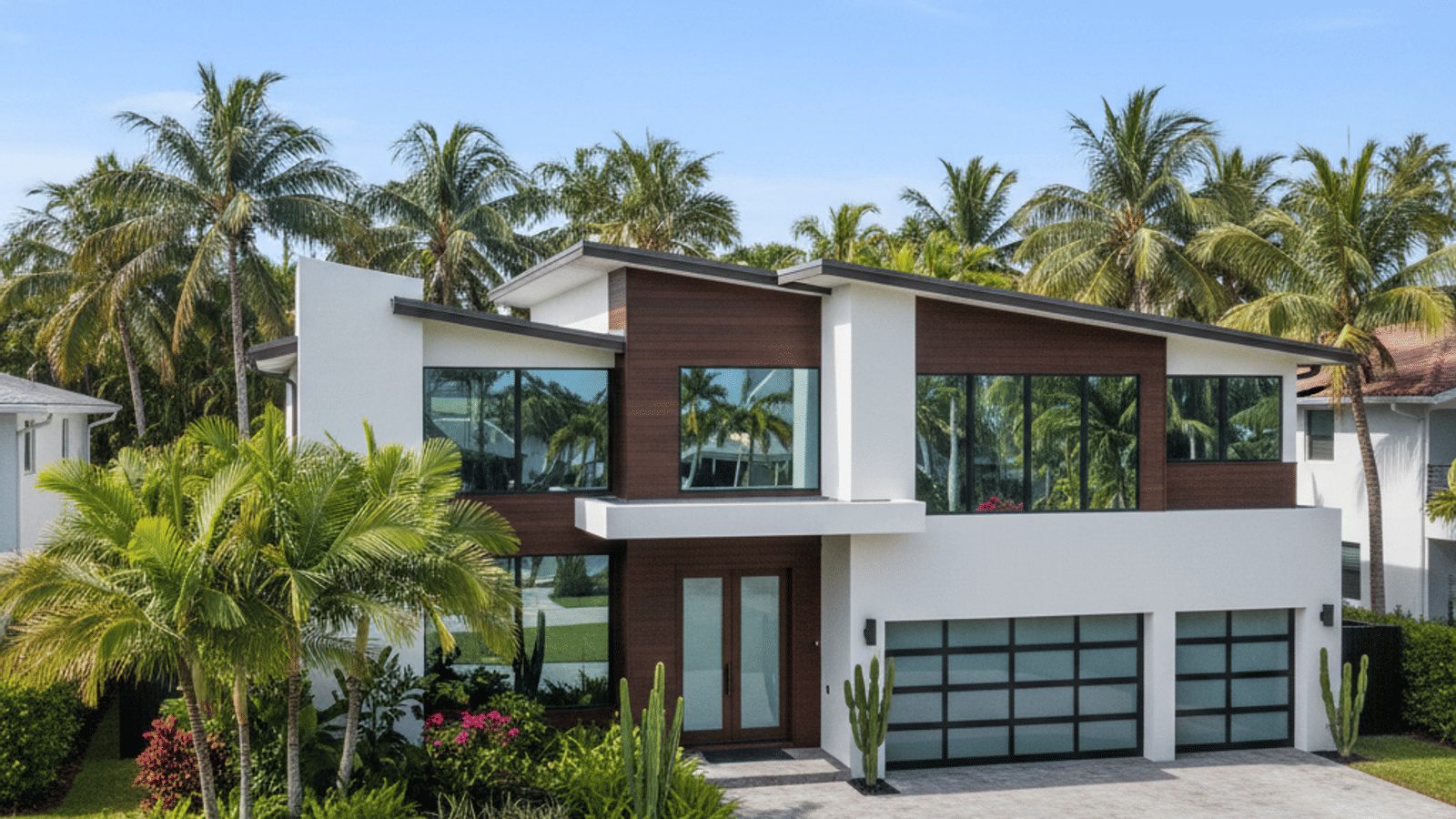
Regulatory standards are currently shifting, with the 9th Edition of the Florida Building Code taking effect in late 2026. This updated code expands wind load calculations for coastal zones, pushing impact resistance thresholds toward 160 mph in many Broward County neighborhoods. Upgraded defenses like impact-resistant windows, reinforced garage doors, and tied-down roof assemblies are now objective necessities rather than optional upgrades.
Wind Mitigation and Home Insurance Requirements
Weatherproofing a property directly translates into insurance eligibility and significant premium savings in the local market. Lenders and insurance carriers require a wind mitigation inspection to verify how well a home can withstand severe weather events. Older homes that have been retrofitted to meet modern structural standards often see drastic reductions in their monthly carrying costs.
Insurers offer specific premium credits for documented wind resistance features, which can reduce premiums by an estimated 25% to 45%. The most critical upgrades that yield these financial benefits include:
- Impact-rated glass on all exterior windows and doors.
- Hurricane clips or single wraps securing the roof to the wall structure.
- A secondary water resistance barrier installed beneath the primary roofing material.
Fort Lauderdale Flood Zones and Elevation Maps
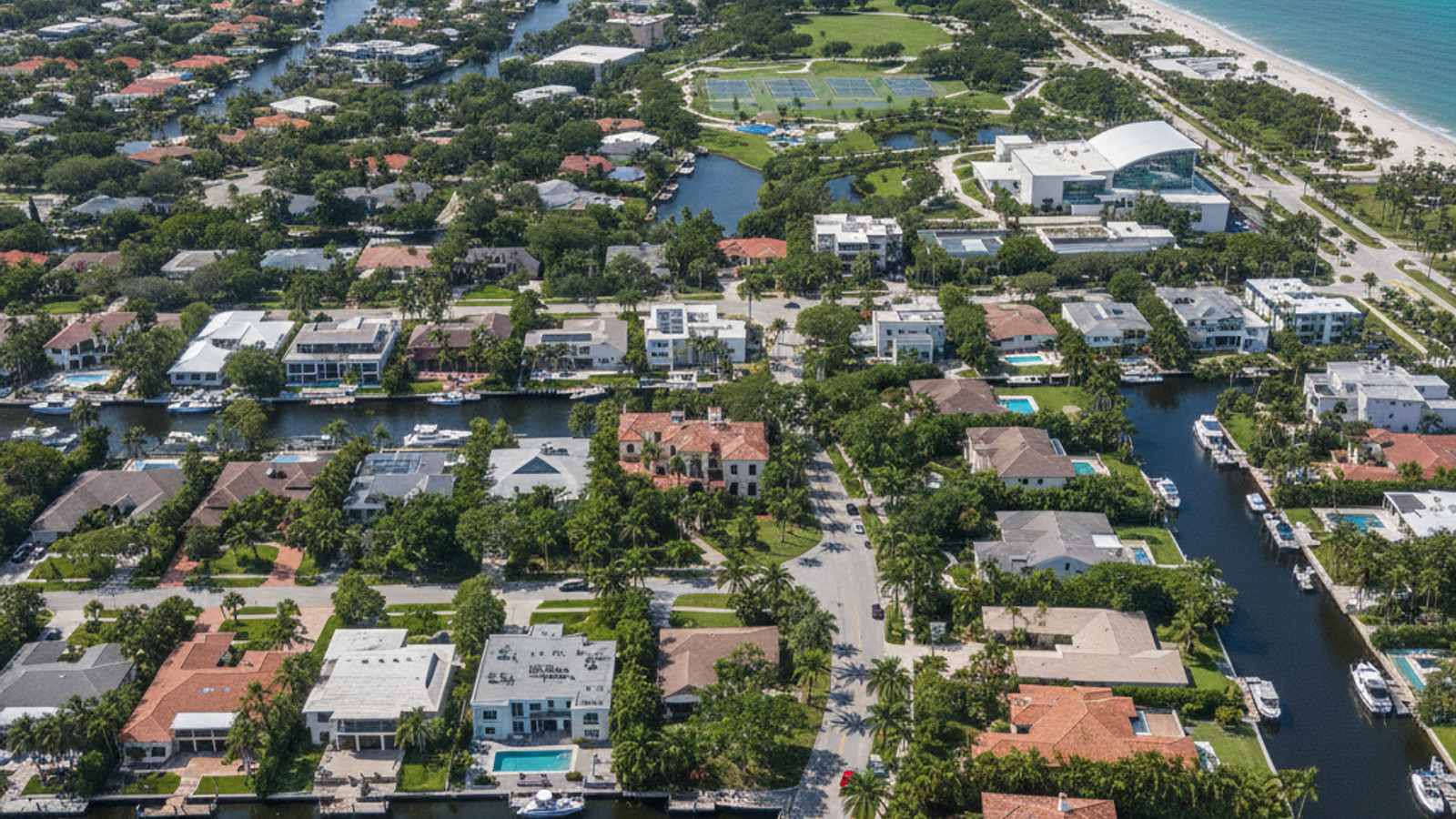
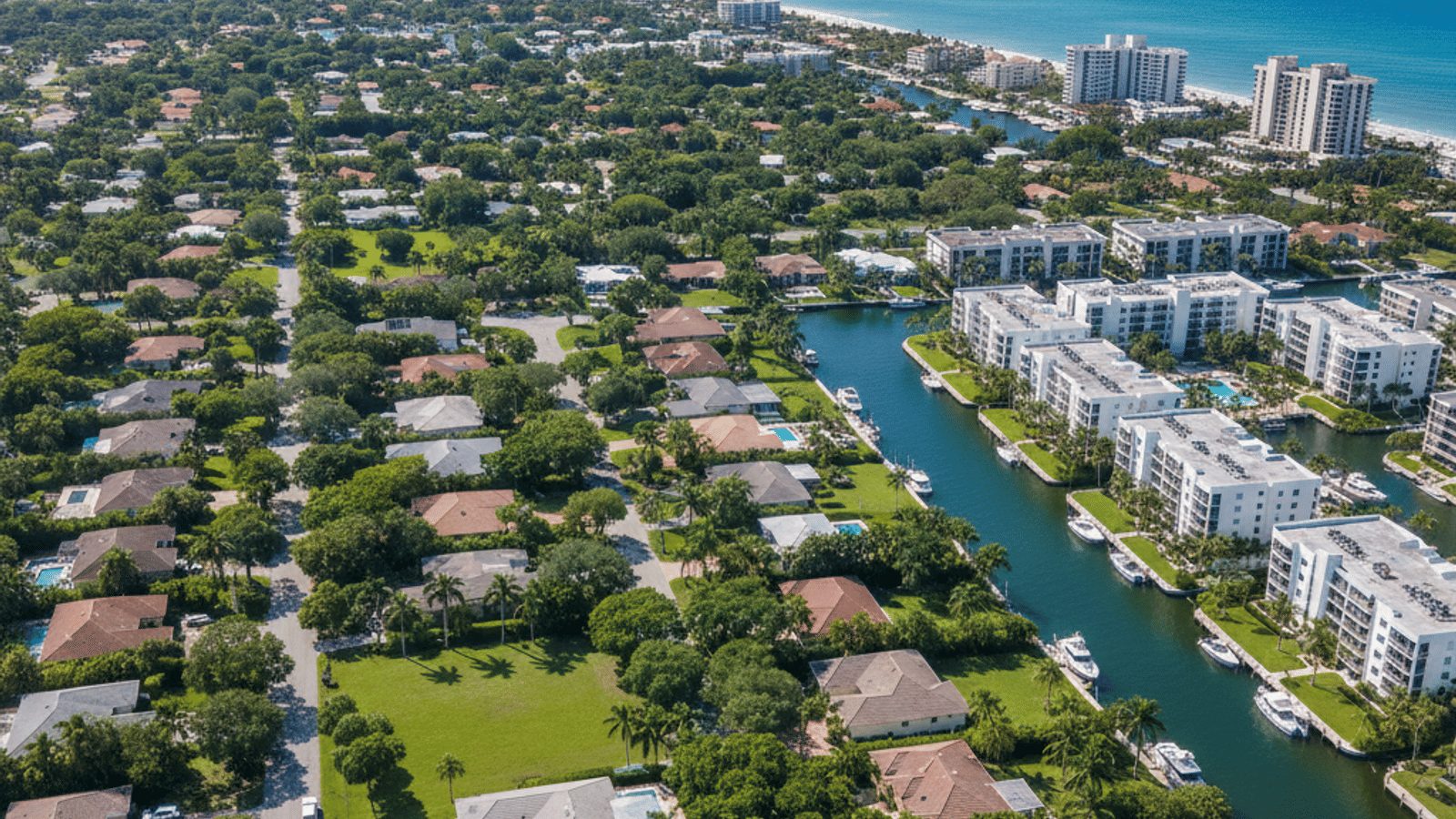
Proximity to water is a defining feature of the local geography, but it also dictates a property’s flood risk and insurance requirements. Inland neighborhoods are typically designated as Zone X, which represents areas with a lower statistical risk of flooding. However, properties located near the Atlantic Ocean, the Intracoastal Waterway, or the New River frequently fall into high-risk areas like Zone AE or Zone VE.
A home’s base flood elevation and its exact distance from these water bodies heavily influence its structural requirements and holding costs. Standard homeowners policies explicitly exclude flood damage, meaning buyers must secure a separate policy to protect their investment. Understanding a property’s specific flood zone designation before making an offer prevents unexpected expenses during the closing process.
2026 Flood Insurance Costs for Waterfront Properties
Recent pricing models under FEMA Risk Rating 2.0 have adjusted premiums to reflect the exact distance to water and the estimated rebuild cost of the structure. For homes in standard inland zones, average flood insurance premiums currently range from roughly $980 to $1,420 per year. These inland policies provide essential coverage without dramatically inflating the monthly escrow payment.
The financial landscape shifts considerably for canal-front and direct oceanfront homes, where annual premiums can range from $8,000 to over $20,000 based on elevation and property value. Buyers looking at waterfront real estate should always request a recent elevation certificate during the due diligence period. Verifying current insurance premiums before closing is the only way to accurately project the true cost of waterfront ownership.
Enjoying the Year-Round Warm Climate and Amenities
The consistent warmth of the region allows residents to maximize the use of their property’s footprint throughout the entire year. With average winter highs hovering around a comfortable 75 degrees, outdoor living spaces function as natural extensions of the home’s interior. Features like covered lanais, fully equipped summer kitchens, and custom swimming pools add measurable value to local properties.
This favorable weather also provides seamless access to the extensive outdoor recreation areas that define the Miami metropolitan area. Residents enjoy year-round proximity to Fort Lauderdale Beach, the shaded trails of Hugh Taylor Birch State Park, and the scenic pathways of the Riverwalk. The ability to utilize these public amenities without seasonal interruption is a major factor in the region’s enduring appeal.
Ultimately, the local climate is a primary driver of demand in the Broward County housing market. Buyers are consistently willing to invest in properties that offer immediate access to this tropical environment. This sustained demand helps keep property values robust, making well-maintained homes a solid long-term investment.
Frequently Asked Questions About Fort Lauderdale Weather
What type of climate is Fort Lauderdale?
Fort Lauderdale features a tropical rainforest and monsoon climate under the Köppen classification system. This means the area experiences a distinct hot, wet summer season and a mild, dry winter season. The region averages roughly 246 sunny days per year alongside an annual rainfall of about 63 inches.
How much does it cost to weather-proof a home in Fort Lauderdale?
The cost to install impact-resistant windows and reinforced doors typically ranges from $15,000 to $30,000 depending on the size of the property. Upgrading a roof with secondary water barriers and hurricane clips adds additional upfront costs but is crucial for coastal resilience. These investments often pay for themselves over time by reducing wind mitigation insurance premiums by up to 45%.
When is the best time to visit Fort Lauderdale to look at homes?
The dry season, running from November through April, offers the most comfortable conditions for touring properties and exploring neighborhoods. Buyers planning a trip should always check the 10-day weather forecast to avoid scheduling inspections during heavy rain events. Viewing homes during this mild period allows you to comfortably assess exterior features and landscaping.