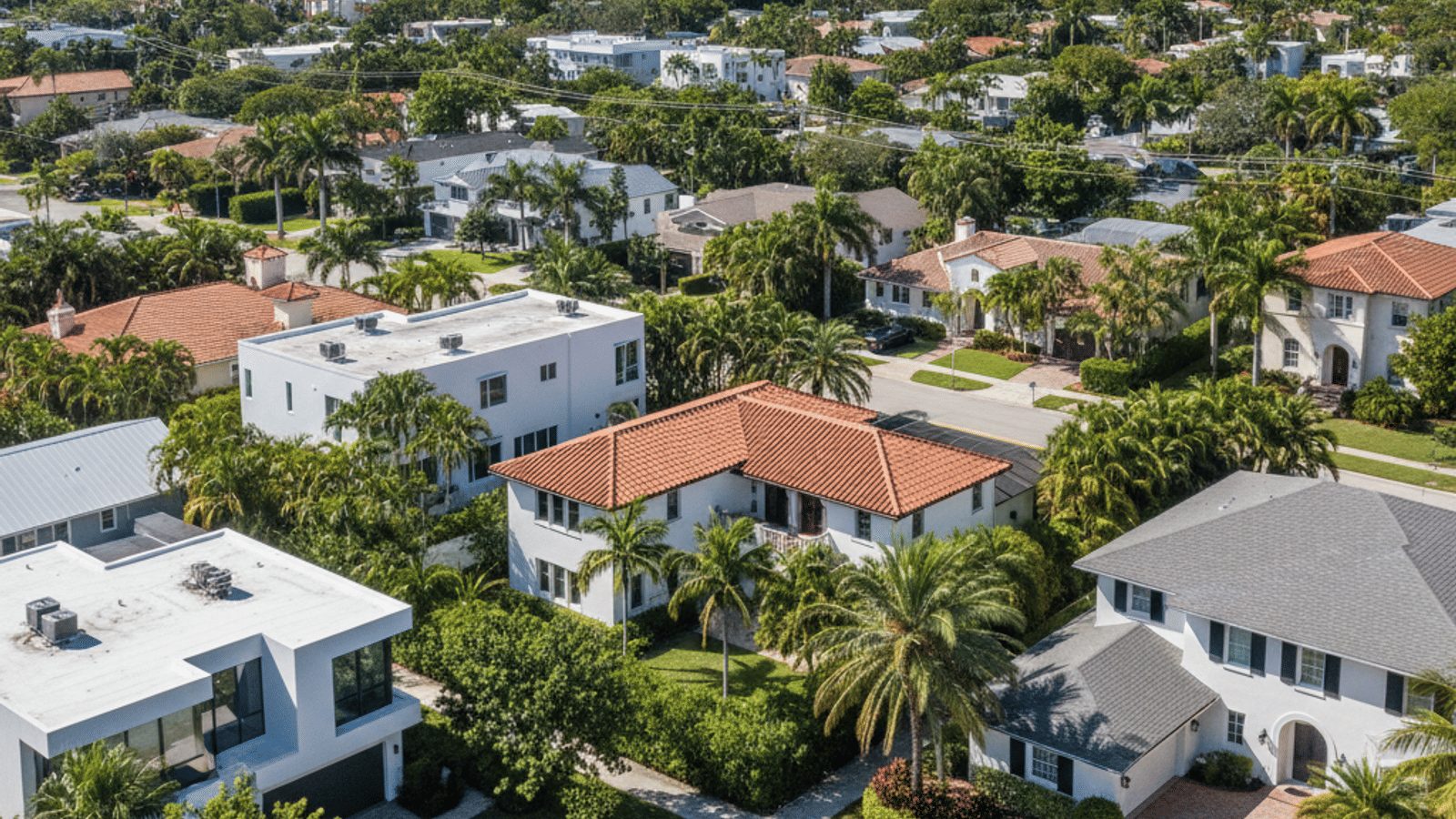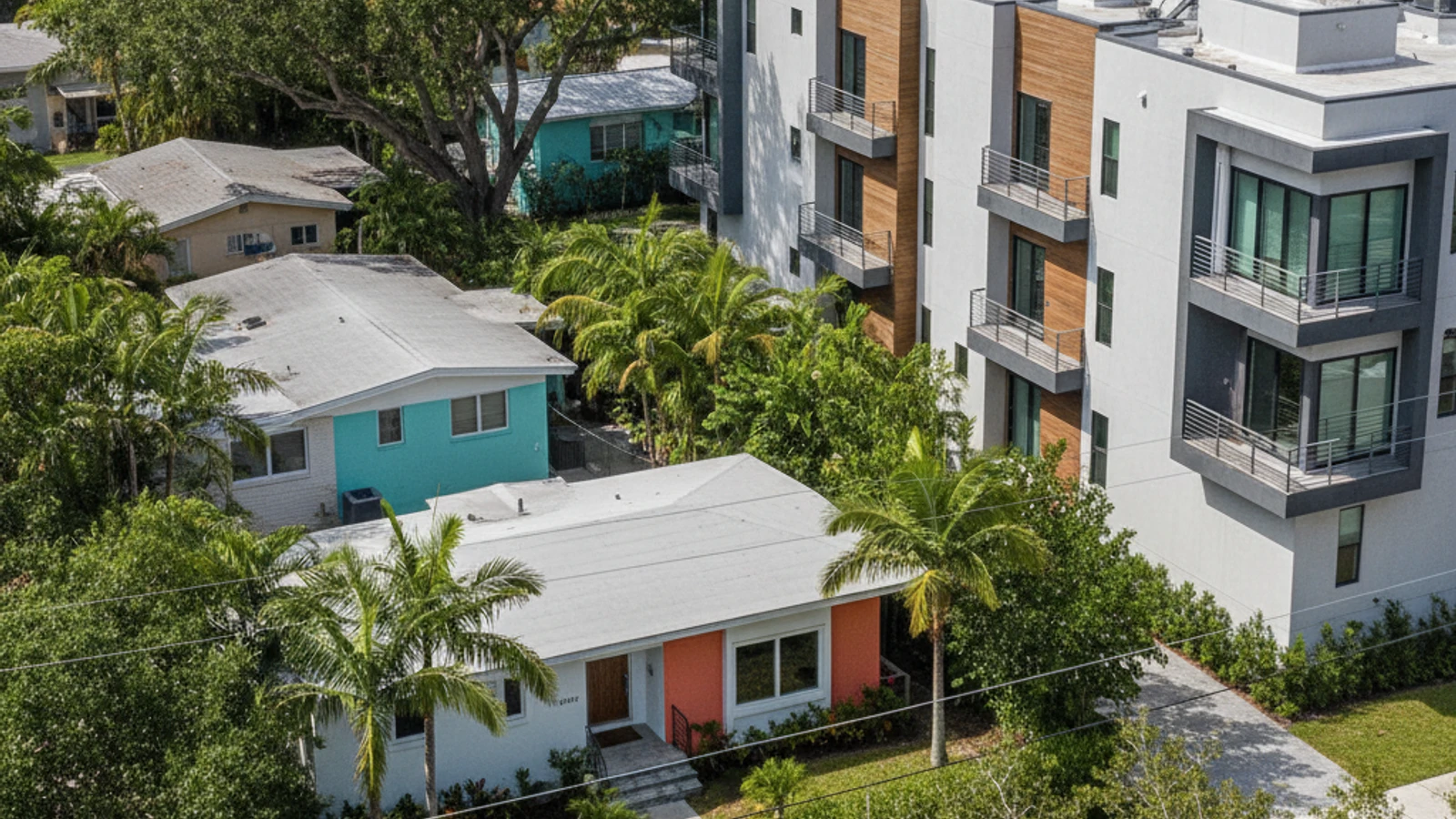
You found a place in the sun, now the line item called “HOA fees” keeps staring back at you. Welcome to Fort Lauderdale home shopping. The promise is a low-stress lifestyle, poolside afternoons, fresh paint on the gates, and somebody else trimming the palms. The reality, well, it lives somewhere between “worth every penny” and “what just happened to my bank account?” Let’s open the books, pour a strong cafecito, and break down whether HOA fees in Fort Lauderdale are a smart trade-off or a money pit in disguise.
The Sticker Shock, Explained
Fort Lauderdale is a city of contrasts. You can tour a 1970s walk-up condo a mile from the beach with a two-hundred-dollar monthly assessment, then ten blocks away spot a high-rise asking nine-hundred a month before you even price parking. Context matters, so here is a quick pulse check on averages locals actually quote:
• Condo HOA fees: roughly four-hundred to six-hundred dollars per month. Waterfront towers with full-time staff often push north of eight-hundred.
• Townhome communities: usually one-fifty to three-fifty. Fewer elevators and no doorman keep things tamer.
• Gated single-family subdivisions: ninety to two-fifty is the sweet spot, unless you are paying for manned security at the entrance, in which case bump that cap toward four-hundred.
Those ranges feel wide because they are. Averages mask the extremes. The real takeaway is not the number itself but the line items hiding behind it.
What the Fee Says It Covers
Marketing brochures love bullet points. Typical promises in Fort Lauderdale read like this: building insurance, exterior paint, roof reserves, lawn care, pool upkeep, pest control, clubhouse, possibly a modest cable-internet bundle. In towers you also see elevator service contracts, fire-life safety systems, front-desk staff, maybe valet. Security gates join the list in suburban enclaves.
That list looks generous. The catch is how consistently management funds each item. One community budgets for roof replacement every 20 years. Another raids the same reserve when insurance deductibles spike. On the surface both charge four-hundred a month. Only one keeps the roof dry when the next tropical storm rolls through.
Fort Lauderdale Versus Other Florida Cities
Buyers relocating from Orlando or Tampa sometimes gasp at the beach-city premium. Yes, coastal insurance and salt-air repairs inflate costs here. Still, Fort Lauderdale beats Miami Beach on the high-rise front by a solid fifteen to twenty percent in many cases. Pensacola, on the other hand, often posts lower fees, but you will give up proximity to South Florida nightlife. In other words, geography sets a floor, amenities push the ceiling, and management quality decides whether you ever hit that ceiling.
Why They Jump Without Warning
Ask any longtime resident about surprises and two words fly out: special assessment. Picture a sudden ten-thousand-dollar bill delivered in a glossy envelope marked “URGENT.” It happens when reserves fall short and something big fails: concrete restoration, seawall repair, a new fire pump.
Three drivers cause the majority of fee hikes in Fort Lauderdale:
1. Insurance shock. Carrier exits and hurricane deductibles double overnight.
2. Deferred maintenance. Paint flakes, balconies rust, finally the city tags the building.
3. Wish-list upgrades. A new gym or fiber-optic internet passes by slim board vote.
Good boards forecast these on a five-year plan and pad the reserve slowly. Weak boards kick cans until the roof literally caves. You want to know which camp you are buying into.
Early Warning Sirens
• Reserves under 30 percent funded. That figure shows up in the annual budget.
• Meeting minutes full of “tabled” repair motions.
• Litigation with contractors or previous owners. Court battles drain operating cash.
• More than ten percent of units behind on dues. Delinquencies shift the burden onto everyone else.
None of these lines scream from a listing sheet. You must dig for them, and you have every right to before signing a contract.
The Management Factor, Good and Ugly
Two buildings can share a block and pay the same monthly charge yet feel worlds apart. The difference is people. A solid professional manager schedules vendors, hunts for insurance quotes, keeps the landscaping crew honest, and maintains calm board meetings. A checked-out manager ignores roof leaks until the drywall mushrooms. Fee alone will not reveal that truth, but patterns do.
Signs you have stumbled into a well-run association:
• Budget packets arrive on time and actually balance.
• Maintenance requests close inside a week.
• Newsletters explain projects in plain English, not lawyer talk.
Red flags:
• Hallway lights stay burned out for weeks.
• The board holds marathon closed sessions no owners can attend.
• Rules feel arbitrary, like suddenly towing a row of visitor cars after a silent policy change.
Ask residents in the elevator. Most will spill if things are messy.
Common Grievances That Erode Value
1. Rental caps that freeze your exit strategy.
2. Pet limits you did not notice until grand-opening day with a new puppy.
3. Parking plots that shift year to year.
4. Fines for balcony furniture the color police dislike.
Individually these look small. Pile them on and you end up paying hundreds monthly to feel policed instead of protected. That is when buyers regret not reading the covenants.
Living With and Without an HOA
Imagine two identical three-bedroom houses, a mile west of Federal Highway. One sits inside a gated street with a one-eighty-per-month assessment, the other stands alone with no association. Fees versus no fees boils down to who plans for the boring stuff. Roof, exterior paint, driveway sealing, irrigation pump, storm-shutter test runs, front-entry landscaping, reserve for the inevitable sewer line hiccup.
The non-HOA owner saves two-grand a year in dues on paper. Over ten years that is twenty-grand. Now price a new tile roof at forty-grand, a fresh exterior paint job at eight, hedge trimming at ninety a month, pressure washing, community mailbox maintenance your county will not handle because the road is private. Suddenly those avoided dues do not look like pure savings.
On the flip side, HOA life includes rule enforcement. Maybe you love your fishing boat but the bylaws ban trailer storage. Maybe you paint the front door teal only to receive a violation letter. Money is one axis, autonomy is another. Decide what freedom is worth to you.
Amenity Math You Should Run
Pool: private build cost about sixty-grand plus weekly service.
Gym: even a modest set-up runs ten-grand and constant HVAC.
Doorman: forty-grand in salary per year times however many shifts.
Split those numbers across one-hundred units and a four-hundred-dollar month suddenly sounds downright sane. Split them across thirty units and you will pay premium. The sweet spot is a community sized large enough to share costs but not so massive that bureaucracy bogs every vote.
Your Pre-Closing Investigation Checklist
Savvy buyers treat an HOA like a small business they are about to invest in. Because that is exactly what it is. Here is the homework list seasoned Fort Lauderdale agents hand over:
• Current budget, last year actuals, and next year draft if available.
• Reserve study. Look for age of roof, elevator, pavement, seawall, and how fully funded each line item sits.
• Insurance summary including windstorm deductibles.
• Meeting minutes for the past twelve months. They reveal attitudes, upcoming assessments, and board culture.
• Bylaws and use rules. Note rental periods, pet limits, parking assignments, satellite dish policies.
• Delinquency report. High arrears equal trouble.
• Vendor contracts, especially security, landscaping, elevator, and management fees.
• Proof of any open code violations or pending litigation.
Yes, that stack feels heavy. Still lighter than a special assessment invoice.
Questions to lob at the manager or board president:
• “When was your last reserve study, and are you following it?”
• “How often have fees risen in the past five years?”
• “Any major projects planned beyond what is in the budget?”
• “What percentage of owners are investors rather than occupants?”
• “Have you filed any big insurance claims recently?”
If answers come back vague, keep probing. Good leadership loves transparency. Poor leadership hides inside jargon.
Ready To Make A Choice?
So, are HOA fees in Fort Lauderdale worth it? The blunt answer is, it depends on the paperwork, not the palm trees. A four-hundred-dollar monthly bill in a building with strong reserves, crystal-clear communication, and a responsive maintenance crew can feel like a bargain. The same dollar figure strapped to a tower with peeling paint, empty reserves, and lawsuit whispers is a ticking budget bomb.
Balance the lifestyle benefits against autonomy tradeoffs. Study the numbers until they make sense in your gut. Talk to residents, grill the board politely, and read every page the seller’s agent emails over. If the community passes those tests, you earn a smoother homeowner ride under the South Florida sun. If it fails, walk away, no hard feelings. There is always another listing, and your wallet will thank you later.