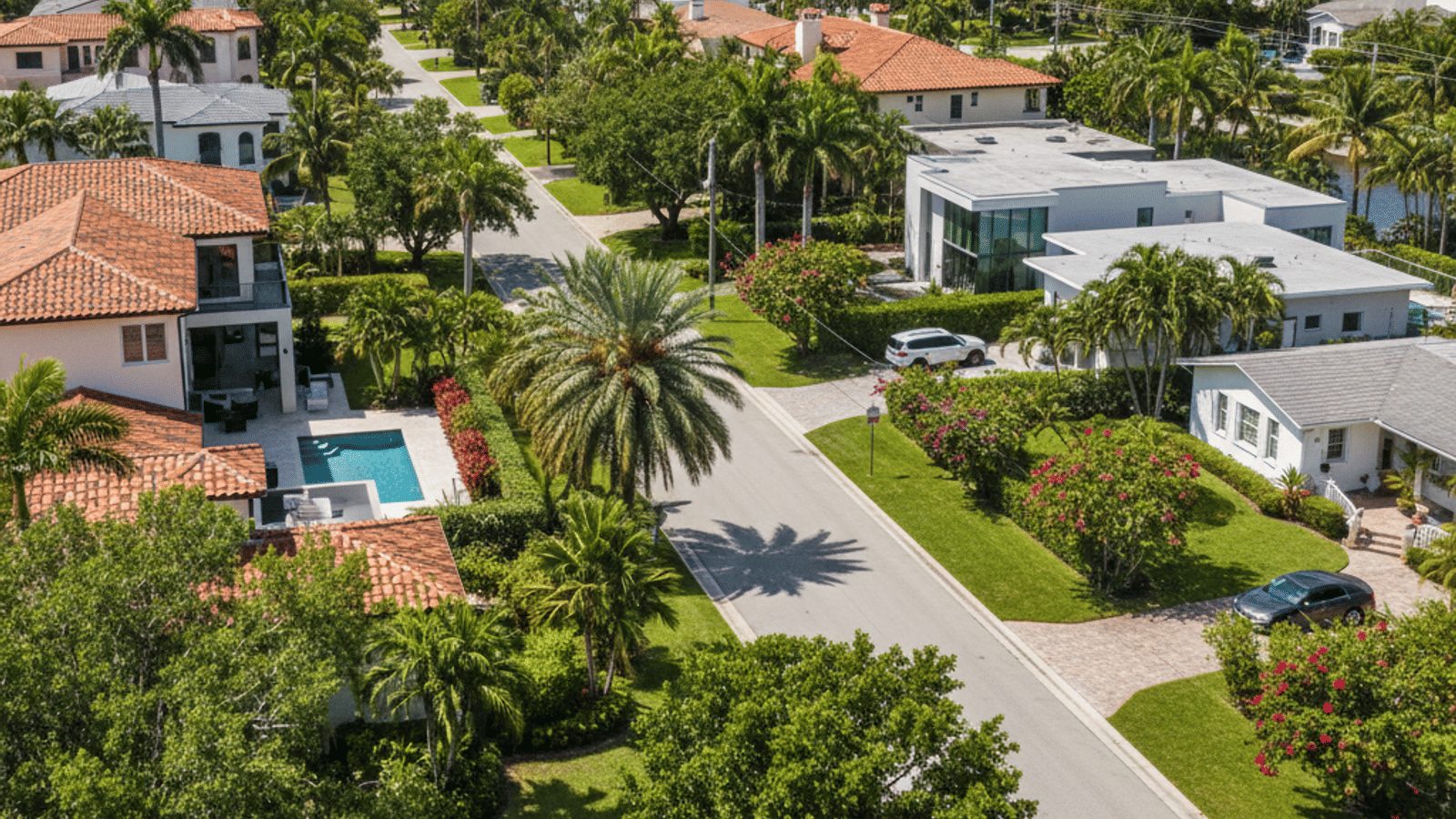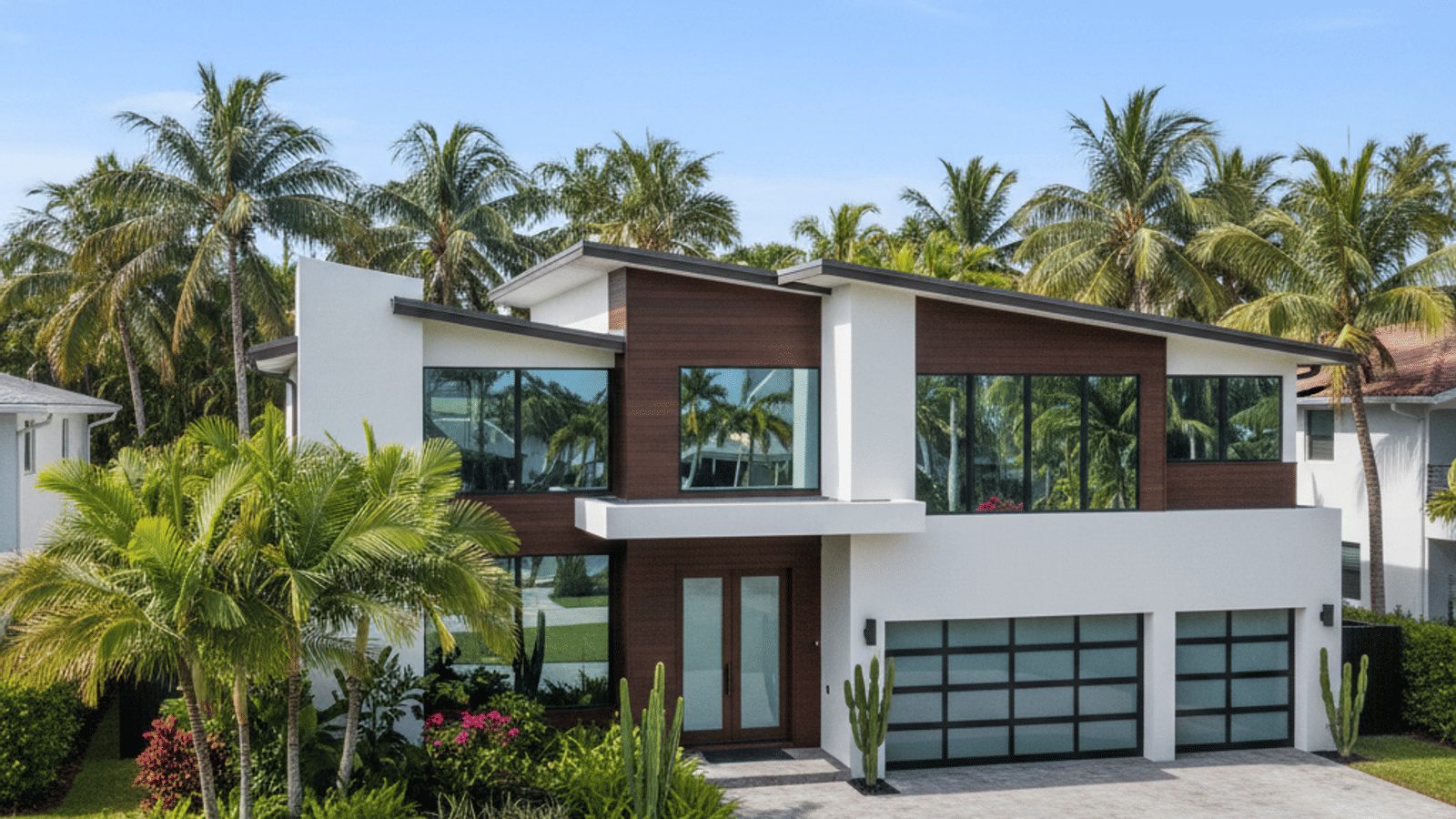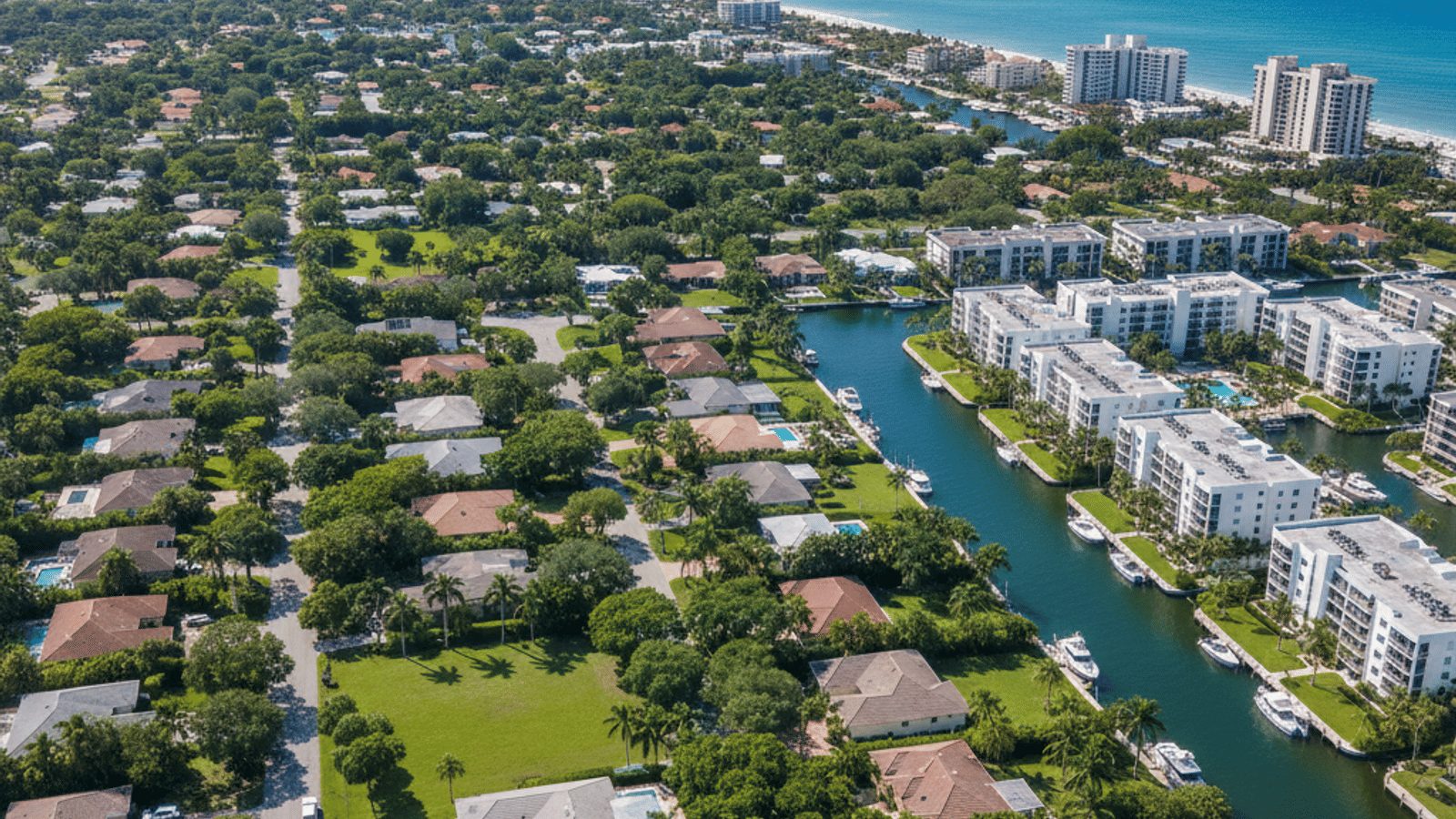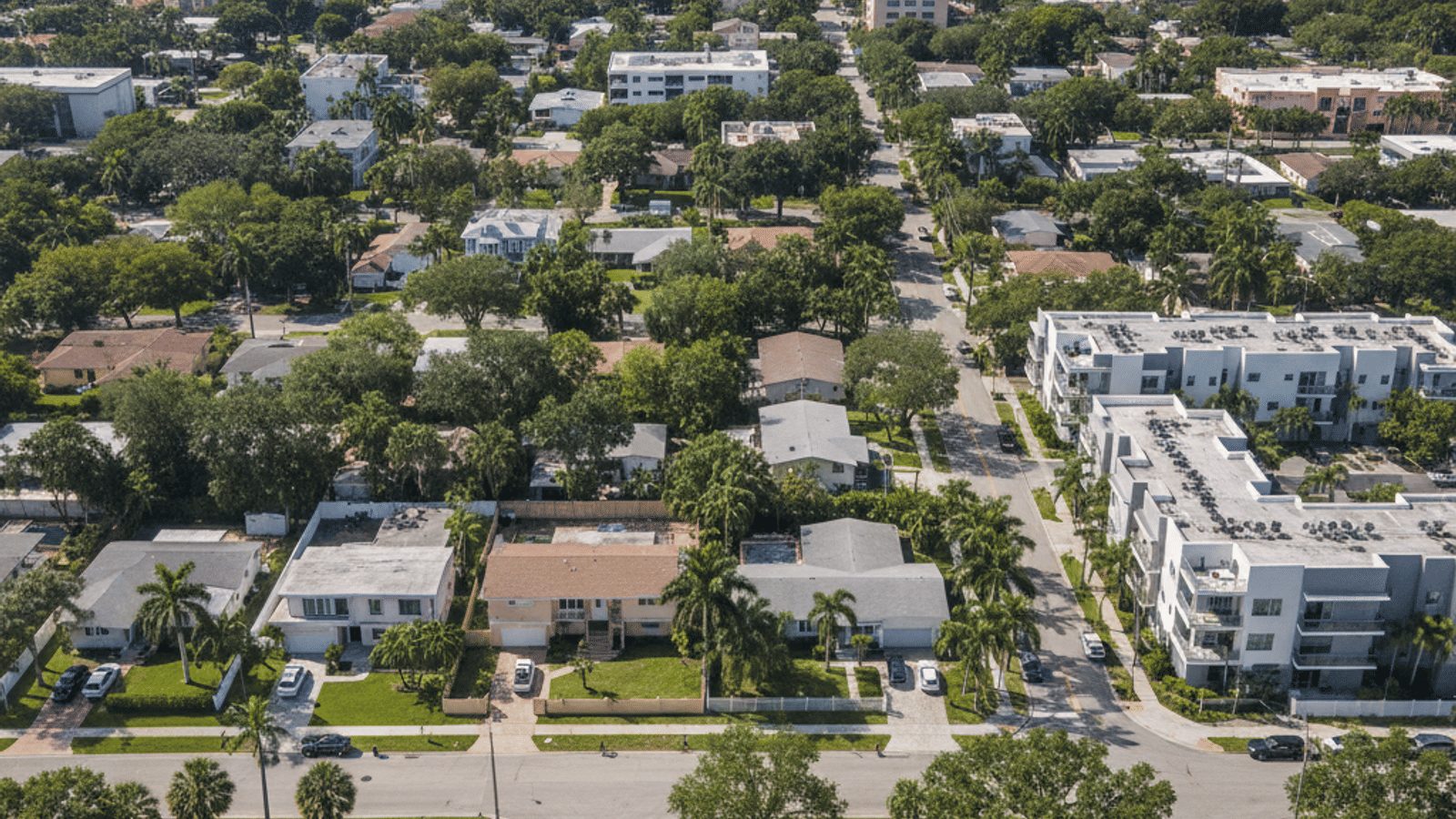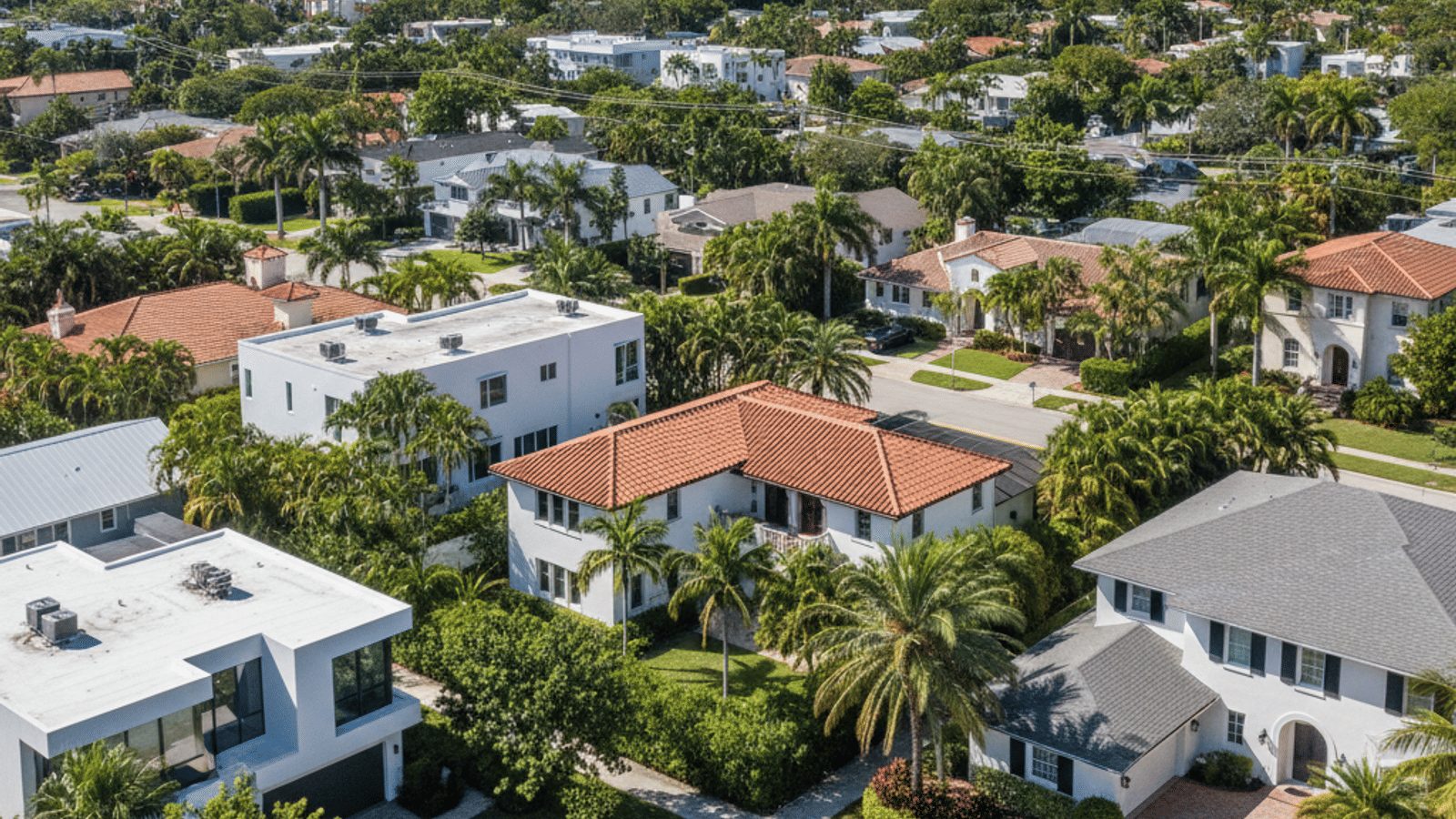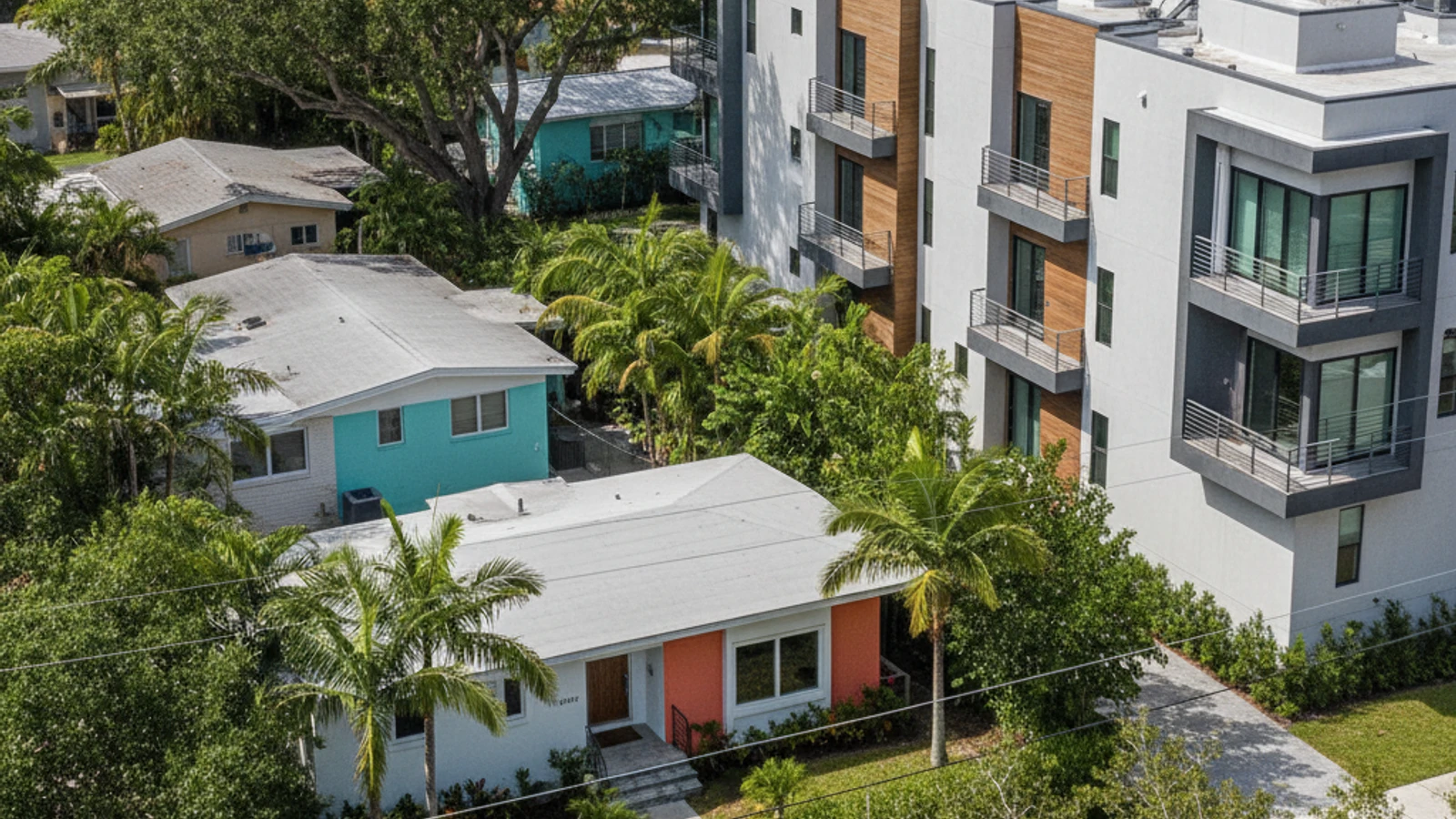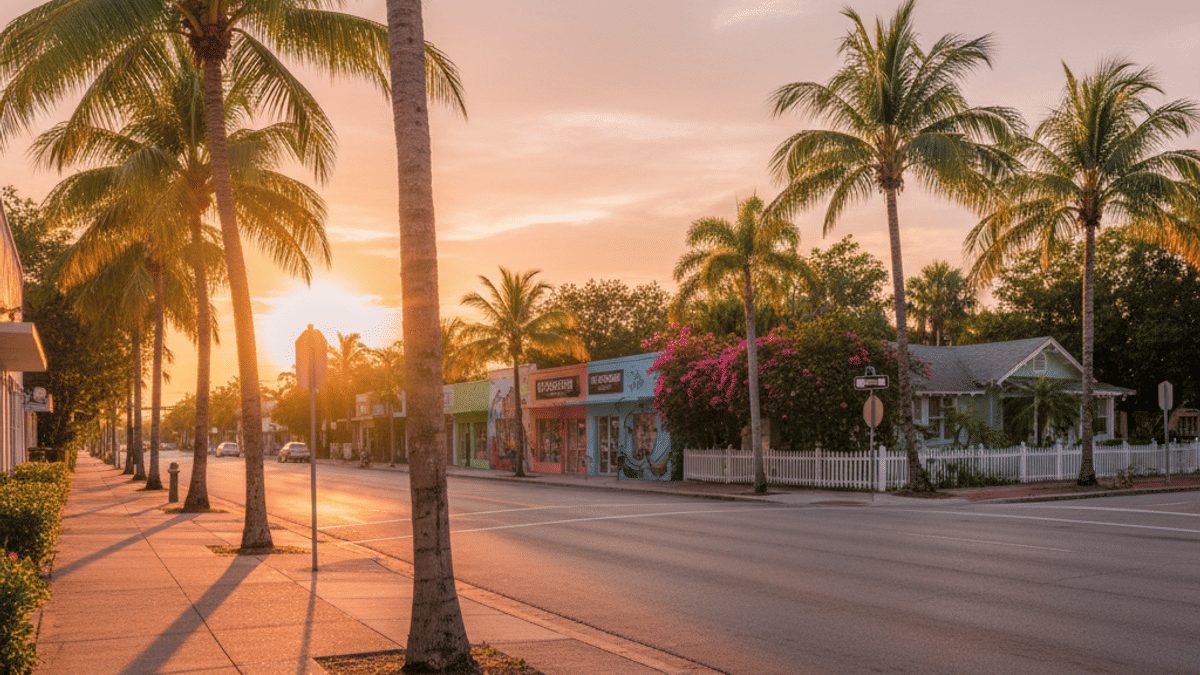
Think of Fort Lauderdale as a sun-splashed jigsaw puzzle. Some pieces gleam with million-dollar yachts and candle-lit patios; others hum with late-night tacos, crowded sidewalks, and the occasional police cruiser crawling past. The puzzle shifts from block to block and hour to hour, so a single yes-or-no answer to “is it safe Fort Lauderdale” feels flimsy. Still, you deserve straight talk before you plant roots, sign a lease, or even book that winter rental. So let’s pull the puzzle apart, flip every piece, and see what real-life safety feels like here.
The Quick-and-Dirty Overview
- Fort Lauderdale regularly lands in the middle of national “safety scorecards.” WalletHub ranked it in the 50s out of 180 U.S. cities for community and financial safety last year. Translation: not the tranquil top tier but nowhere near the bottom of the heap either.
- Tropical storms and king-tide flooding sit on a different risk meter. Locals watch the forecast like a part-time job, especially from June through November.
- Property crime shows up in the police blotter more often than violent crime. Car break-ins, bike grabs, and porch-pirate package runs headline the local neighborhood apps far more than assaults.
Numbers only paint so much. Let’s layer on what residents whisper about when the stats stop scrolling.
Crime Statistics, Sans Sugarcoating
You will bump into plenty of charts claiming “Fort Lauderdale violent crime runs 1.5 times the national average” or “property crime doubles the state median.” Those lines are not cooked, but they lack context. A few things to keep in mind:
- Boundaries matter. The official city limit slices off beach resorts to the east and stretches west toward urban sprawl. Some neighborhoods with sky-high condo prices share a ZIP code with corridors that battle decades-old neglect. When a crime map lumps them together, the hot spots boost every score.
- Daylight vs. after dark. Wednesday at 10 a.m. around Las Olas Boulevard feels worlds away from that same block after bars pour out at 2 a.m. Crime reports rarely flag time of day in big headlines, so the “most dangerous street” tag might only apply after midnight.
- Tourist pockets pull extra attention. The beach, Port Everglades, and the stretch around the cruise terminals concentrate visitors who may carry cash, phones, luggage. Thieves know the pattern. This skews totals higher along A1A compared with inland sections that tourists never see.
Bottom line: scan the charts, but do not stop there. Go walk the blocks you care about, morning and night. Talk to shop owners. Scroll local Facebook groups. That tapestry tells a richer story than any single bar graph.
How Locals Actually Talk About Safety
Ask ten long-time residents, and you hear ten flavors of: “I feel fine… except over there.” A few repeated themes:
- Porch lights and dogs: Houses with bright motion lights, a barking pup, or a visible camera setup report fewer package thefts on the community message boards. Low-tech still works.
- The sidewalk test: If someone will jog at sunrise with earbuds in, neighbors see that as an unofficial green flag. In Victoria Park it is common; in pockets west of Andrews Avenue, not so much before coffee kicks in.
- Marine traffic equals foot traffic. The city’s intertwined canals bring boat mechanics, delivery crews, and vacation captains through residential canals all day. Constant eyes on the water make some streets feel watched even when the sidewalk sits empty.
Attitude circles back to involvement. Neighborhoods with active civic associations, block parties, and email trees tend to report a stronger we-look-out-for-each-other vibe. You can spot the difference by the yard signs announcing the next cleanup or potluck.
Tourism’s Double-Edged Sword
Sunseekers keep restaurants buzzing, but high visitor turnover invites opportunistic theft. Here is how that plays out:
- Beach lots: Smash-and-grab car burglaries spike in surface lots near public beach access. Locals leave nothing in sight and often crack windows an inch to equalize pressure so a thief cannot shatter glass as easily.
- Hotel bars: Plenty of friendly mingling happens around the chain hotels on Sunrise Boulevard. After midnight, a bar tab dispute or drunken scuffle pops up more often here than in residential watering holes. Nothing alarming, but worth noting if you prefer a quiet pint.
- Short-term rentals: Blocks with rows of vacation rentals see suitcases on porches every Saturday changeover. It advertises “new people, new gadgets, less familiarity.” Neighbors sometimes form WhatsApp groups to flag any suspicious car circling twice.
Visitors inject life and dollars. They also create anonymity. Being aware of that dynamic—rather than paranoid—usually keeps both residents and guests out of trouble.
Neighborhood Vibes You’ll Actually Feel
Below are snapshots, not verdicts. Streets swing quickly, and sometimes just crossing Federal Highway shifts the mood.
Victoria Park
Morning joggers, stroller traffic, and leash-in-one-hand lattes set the tone. The grid layout means plenty of through traffic, yet most drivers crawl. At night, ambient light from downtown spills in, so sidewalks stay visible. Residents still lock gates because bikes vanish from carports when owners get lax.
Rio Vista
Tree-lined, tucked between the New River and the Intracoastal. You will see more golf carts than scooters. Walkers feel relaxed well after sunset, thanks to consistent streetlights. On the minus side, the quiet invites speedy cut-through drivers, so crosswalk vigilance beats any crime worry.
Flagler Village
Daytime coffee culture dominates. After dark, the artsy breweries and tattoo studios pump energy. Crowd density thins out a few blocks north, which is where car break-ins creep upward. Many renters choose gated garages for that reason alone.
Sailboat Bend
Historic cottages, artists, and the Broward Center’s theater crowds swirl together. Foot traffic peaks during show nights; parking raids on unlocked vehicles do too. Lighting varies, so bring a flashlight app if you are walking along the riverfront path late.
The Isles off Las Olas
Canal homes showcase million-dollar fronts and million-dollar boats. Private security patrols on golf carts are common, but opportunistic thieves still pilfer unlocked dock boxes. The streets feel nearly empty on weekdays, which can be eerie or peaceful, depending on your lens.
Block-to-Block Whiplash
A single intersection sometimes flips the vibe:
- Andrews Avenue north of Broward Boulevard: a busy bus corridor with mix-use storefronts and lingering foot traffic. One block east, you hit quiet side streets lined with cottages and toddlers on trikes.
- 13th Street east of Dixie Highway boasts new cafés and art murals. Cross Dixie and you reach warehouses where lighting stretches thin. Same ZIP code, different heartbeat.
Never assume the feel of an entire area from a single Uber drop-off. Walk three streets in each direction before judging.
Late Night Reality Check
Fort Lauderdale’s nightlife clusters in three zones: Las Olas, the Beach strip, and the bars along Himmarshee in downtown. Each has quirks:
- Las Olas: Well-lit sidewalks, valet stands, steady police presence. Pickpocketing happens more than fights. Stay alert in crowded patios.
- Beach strip: Music pumps until 4 a.m. Pedestrian crossings can be chaotic. The larger threat is a speeding rideshare versus a mugger.
- Himmarshee: College crowd. Occasional bar brawl spills into the street at closing. Groups walking together rarely report issues, solo drifters sometimes do.
If you are house-hunting near any of these zones, visit on a Friday at 1 a.m. Noise and traffic may weigh heavier than crime.
Community Watch and Grassroots Efforts
The city police host quarterly Coffee With a Cop pop-ups in most districts. Attendance swings, yet the officers share granular heat-map data that never hits media. Civic associations in Colee Hammock, Riverside Park, and Poinsettia Heights circulate monthly safety newsletters. None guarantee immunity, but they crank up neighbor-to-neighbor accountability.
What the Numbers Say And What They Skip
Crime rates are a snapshot, not a mood ring. A three percent bump in burglaries may equal six extra incidents citywide. That nuance often gets lost. Also, counts rarely adjust for population spikes during tourist season, which makes per-capita stats wobble. If you dig into data:
- Compare multi-year trends, not single blips.
- Separate cleared cases from reports; it shows police follow-through.
- Overlay crime maps with lighting infrastructure. Darker blocks naturally gather more incidents.
Use the numbers as an alarm clock, not a verdict. They wake you up but do not decide the day.
Buyer and Renter Lens: How to Weigh Safety
You probably scroll listings with school ratings, price per square foot, and “safest neighborhoods in Fort Lauderdale” tabs toggled. A few sanity checks:
- Tour at multiple times. Noon coffee run, 6 p.m. commuter rush, 11 p.m. when porch lights flip on.
- Chat with future neighbors. Ask what wakes them at night: sirens, motorcycles, or nothing at all.
- Study street lighting. LED fixtures beat yellow sodium lamps. Bonus points if poles sit on both sides of the road.
- Look for lived-in cues. Well-used playgrounds, porch plants that are watered, kids cycling after school. Signs that eyes are naturally on the street.
- Ask your insurer. Premium quotes often mirror real claim history better than blog lists.
No single step seals the deal. Stack them and your gut will shout louder than fear-based headlines.
Real-World Safety Tips Once You Move In
- Lock vehicles. Even on gated drives. The most common comment in neighborhood apps: “I forgot just this once.”
- Light pathways. Solar stake lights on side yards cost less than a fancy dinner and deter midnight snoops.
- Secure bikes. Inside if possible; thick U-lock otherwise. Two-minute crimes love unlocked beach cruisers.
- Mind flood alerts. Keep sandbags folded in the garage. King tides appear without polite warning.
- Watch crosswalks. Drivers sometimes treat orange pedestrian flags as décor.
Simple habits. Big payoff.
Local Attitudes Toward Looking Out For Each Other
Fort Lauderdale rarely hides behind fences. Neighbors wave from porches, boaters chat from canal to canal, dog owners trade beach tips at sunrise. That friendliness morphs into informal guardianship. People swap vacation dates so someone knows when a house should sit empty. Side effect: rumors travel fast, but so do alerts. You will see porch cameras capturing coyotes and package thieves shared in seconds across group chats.
Walking, Biking, and Transit After Dark
- The downtown Riverwalk stays busy until roughly 10 p.m. After that, foot traffic thins, but police bikes make laps.
- Brightline and Tri-Rail stations draw riders at odd hours. Platforms are lit; parking lots feel more isolated, so many commuters buddy up.
- Broward B-Cycle kiosks provide bikes. Riders often prefer the northbound lanes on Federal Highway which hold consistent streetlights compared with the southbound side that dips under trees.
If walking solo, stick to the routes with ground-level retail. Shops mean light, people, and security cameras.
Noise and Other Kinds of Safety
Crime hogs headlines, yet many locals worry just as much about:
- Speeding on cut-through streets. Speed humps tame some, not all.
- Construction debris downtown. Scaffolding nets help, but dust storms still whip up.
- Late-night boat motors in the canals. Sound carries over water and rattles windows at 3 a.m.
Knowing these quality-of-life quirks can weigh heavier on happiness than a statistic buried in a PDF.
Visitors and Locals Share the Same Space Differently
Tourists:
- Cluster along A1A, Las Olas Beach, Cruise Port.
- Carry bags, shoot photos, stop mid-sidewalk.
- Drink earlier in the day and crash by midnight.
Locals:
- Dive into mangrove paddle routes, neighborhood parks, quiet coffee spots on 17th Street.
- Stash wallets in front pockets, phones in zipper pouches.
- Hit happy hour then head home; weeknights wind down early.
Knowing the rhythms helps you pick when and where to move about. Blend the best of both worlds: beach sunrise like a local, dinner crowd-watch like a visitor, secure bag like a seasoned traveler.
Plugging Into Community Events
Safety grows in the gaps between official patrols. Get involved:
- Monthly neighborhood cleanups. Gloves on, gossip shared, fresh eyes on any oddball activity.
- Waterway patrol days. Kayakers and paddle-boarders note abandoned vessels and debris that could block escape routes during storms.
- Porch light challenges. Once a year many streets coordinate to replace outdated bulbs in one weekend. Instant ambiance and increased visibility.
Showing up turns nameless neighbors into allies. That alone boosts any sense of security.
Ready to Decide?
So, is it safe Fort Lauderdale? Safer in some pockets, edgy in others, always dynamic. Put on comfortable shoes, keep eyes open, talk to the people already living the life you imagine. They will hand you louder truths than any ranking ever will. When you are ready to hunt for a place that feels right—noise level, flood zone, nightlife tolerance, and yes, crime history—reach out. We walk these blocks daily and know which puzzle pieces fit which lifestyle. Let’s find your corner that feels just right.