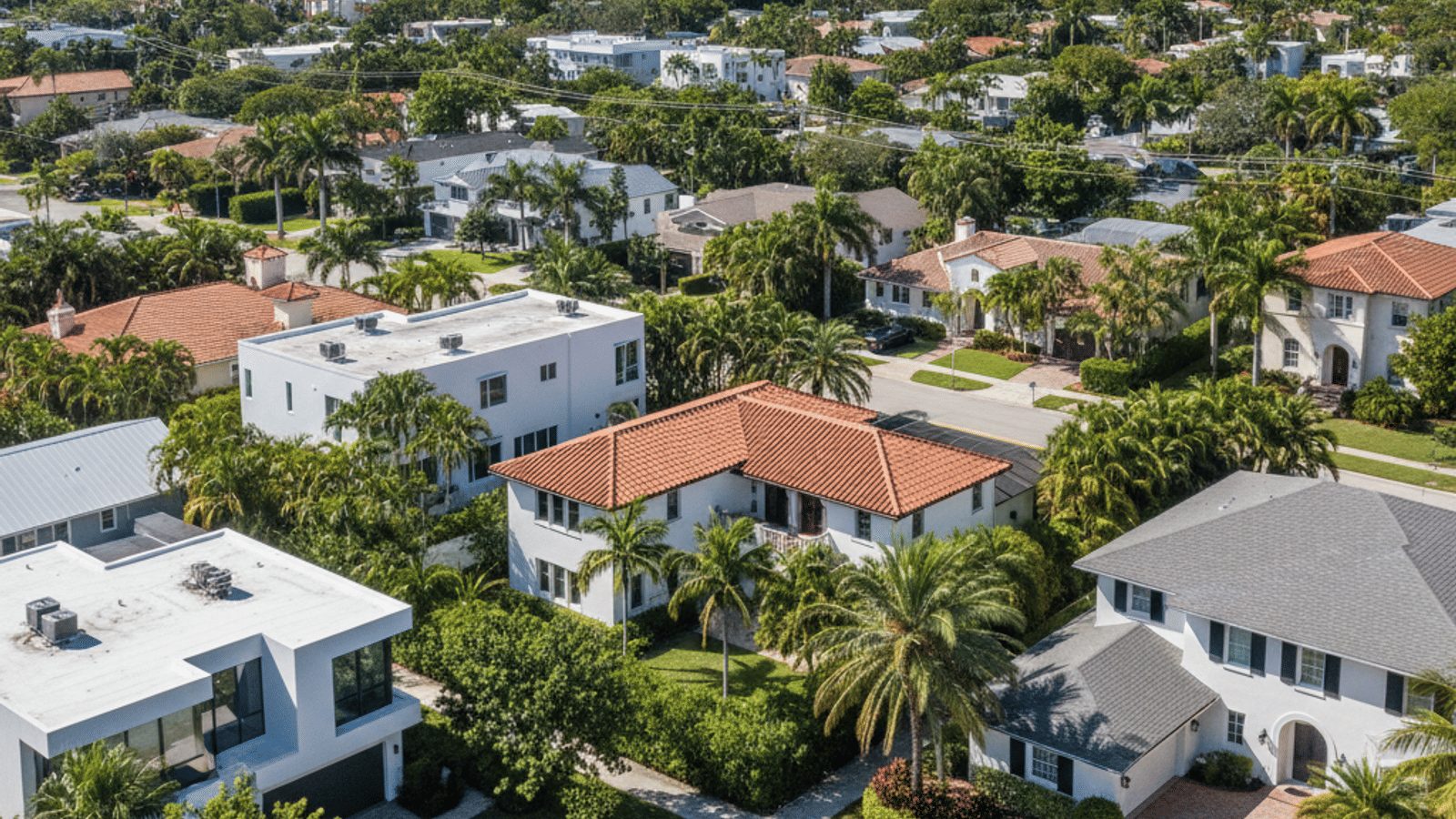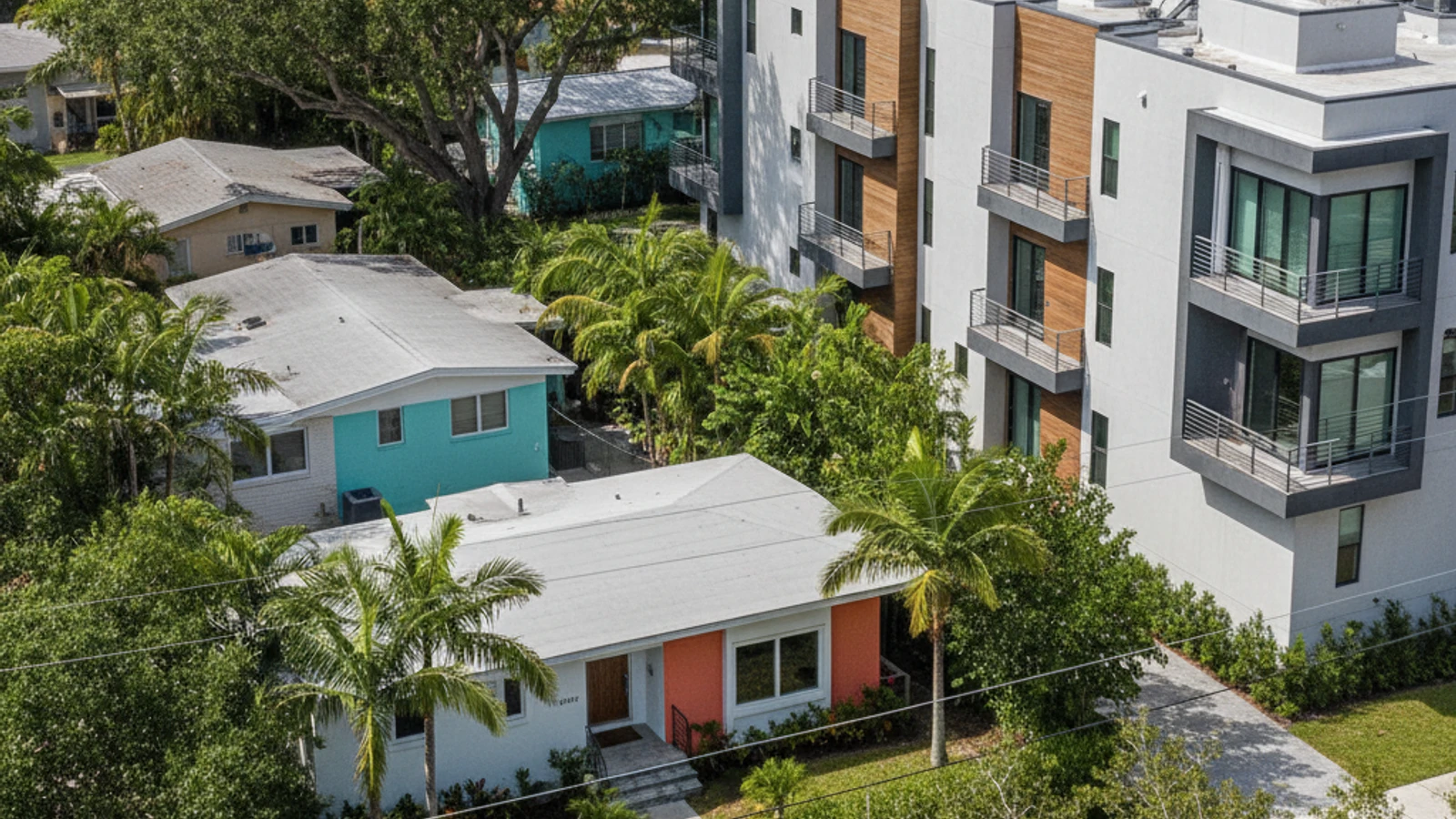
So you have your toes in the sand, a real-estate app open, and one big question on your mind: Are HOA fees around here actually worth it?
You are not alone. In this little beach town north of Fort Lauderdale, almost every condo building, most townhome clusters, and even a handful of single-family enclaves sit behind an HOA invoice. The number printed on that invoice can feel totally random—two hundred bucks in one place, twelve hundred in another—so let’s pull the curtain back and talk about what is really going on.
Why the heck are we paying an HOA anyway?
Short answer: communal stuff costs money and somebody has to collect it.
Longer answer: in Lauderdale-by-the-Sea the salt air chews up paint, elevators, gates, roof tiles, and pool pumps faster than you can say “high tide.” One owner skipping a repair bill can sink the whole complex, so the HOA steps in as the collective piggy bank.
Things the fee usually promises to cover:
- Insurance on the structure, often called the master policy
- Everyday upkeep: landscaping, pool service, trash pickup, hallway lights
- Reserve savings for big-ticket replacements, for example the roof or sea-wall
- Management company oversight and bookkeeping
- Maybe cable, maybe internet, maybe a security guard, depends on the building
Sounds neat and tidy. It rarely plays out that simply.
Condos, townhomes, single-family behind a gate: different animals, different numbers
Condo towers on the sand
Expect the largest monthly bite. Elevators, chilled-water AC systems, garage fans, on-site staff, plus sky-high wind-storm insurance push numbers well north of $800, sometimes past $1,500 for a three-bed unit.
Low-rise inland condos
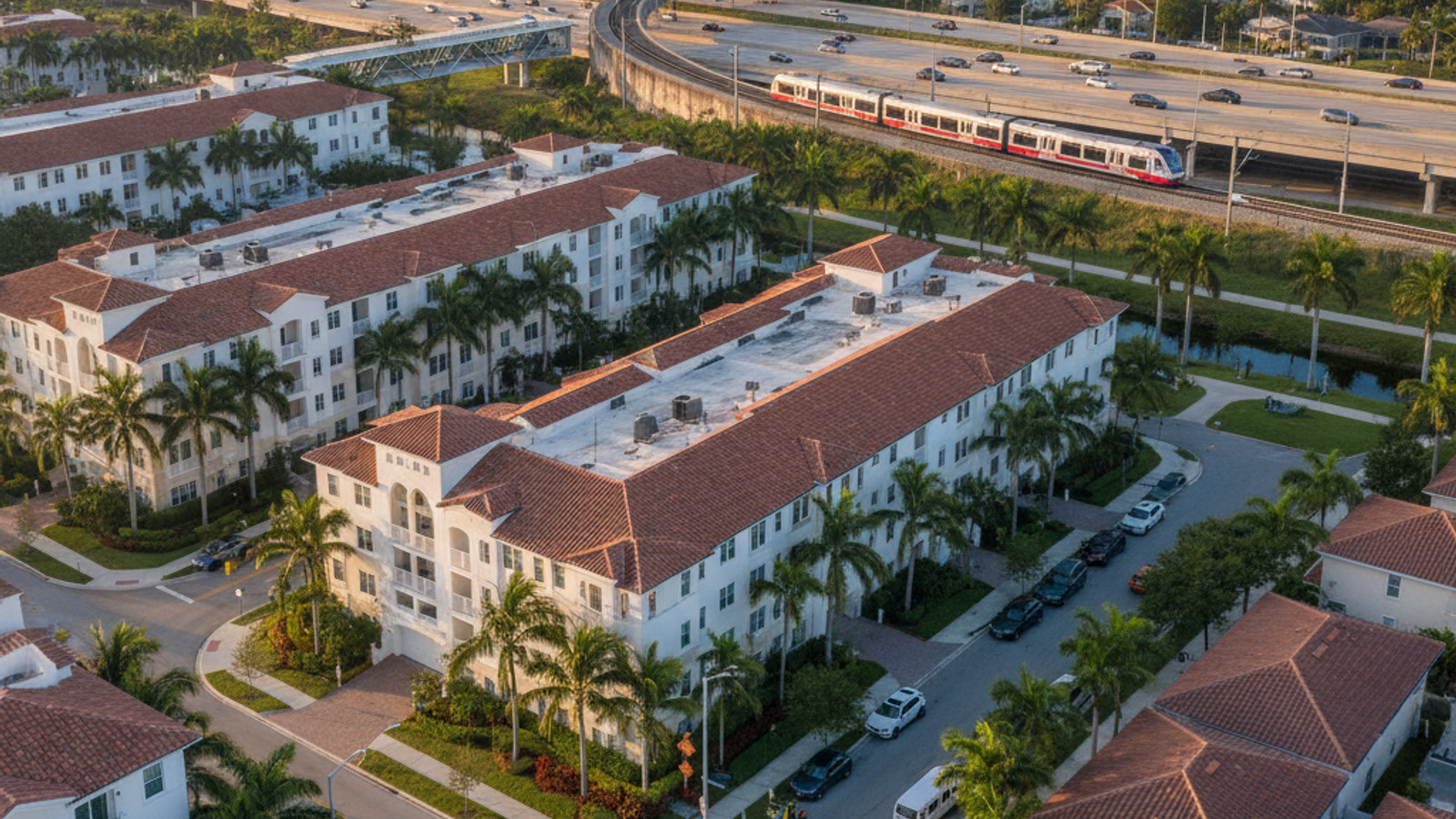
Five-story stucco boxes a block or two from the ocean flirt with the $500–$800 range. Fewer mechanical systems, slightly cheaper insurance, still plenty of salt.
Townhome rows off Commercial Boulevard
Often self-managed or lightly managed. Fees hover between $250 and $450. You still contribute to roofs and painting, just on a smaller scale.
Gated single-family micro communities
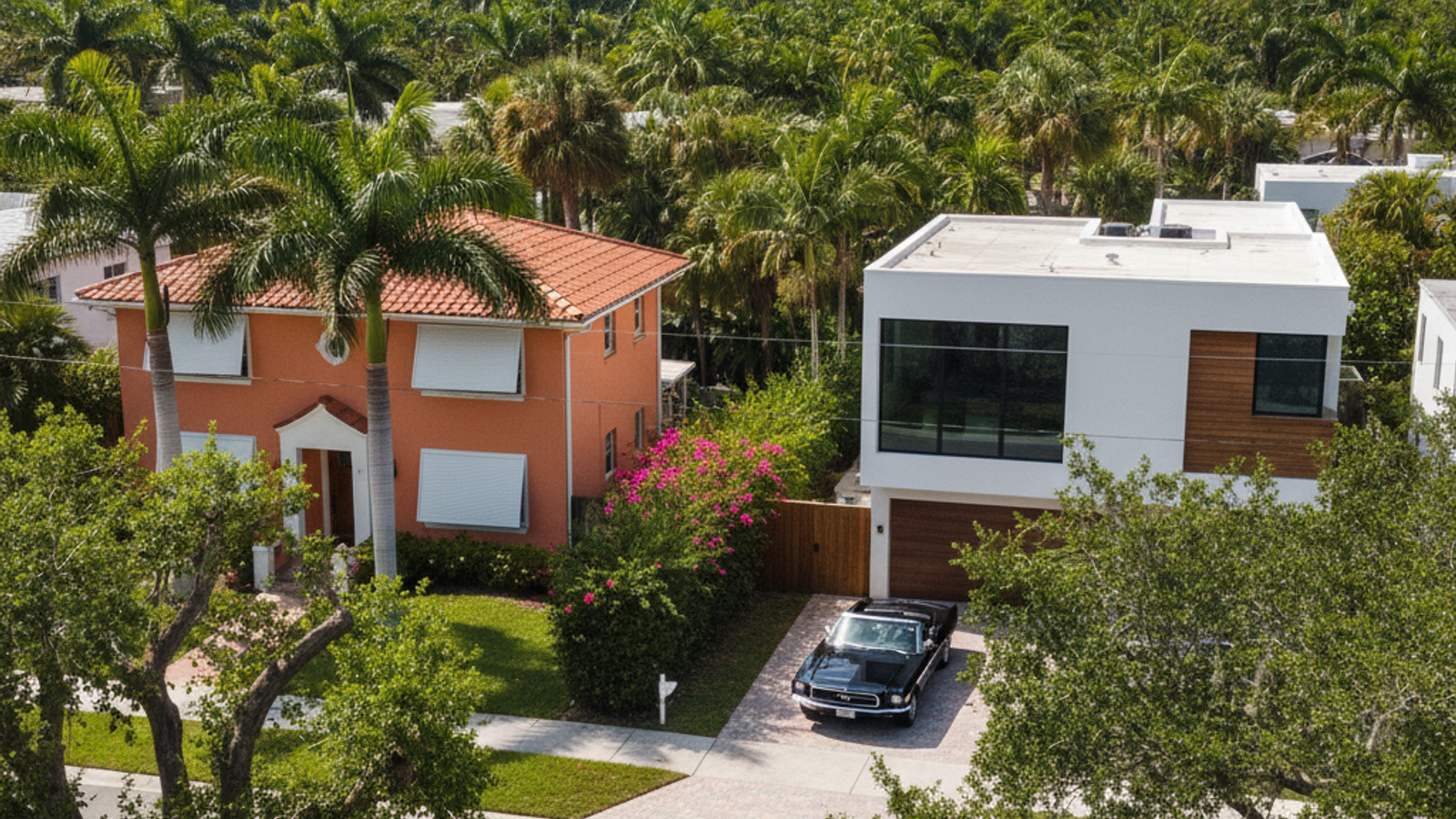
You own your roof and walls, so the HOA focuses on roads, entry gate, and common landscaping. Numbers in Lauderdale-by-the-Sea run $100–$300, but watch for extra line items like quarterly lawn service.
Average HOA fees in Lauderdale-by-the-Sea mean almost nothing without context. The hundred-dollar spread between two neighboring buildings can hide a million-dollar difference in reserves, age, or neglect. Treat any average as a starting whistle, not the finish line.
What the spreadsheet says you get… and the reality check
Open an HOA budget and you will see neat columns: Maintenance, Insurance, Reserves. Great. Now ask owners how quickly the light in the stairwell gets fixed when it burns out. Very different vibe.
Common gripes I hear at local coffee shops:
- Pool heater forever “awaiting parts.”
- Landscaping trimmed only before board elections.
- Cable bulk deal outdated, slow internet speeds locked in.
- Roof reserve looks healthy until you learn the quote is five years old.
Lesson: a line item is just ink on paper. You need proof the work actually gets done and the numbers mirror current market prices.
When the numbers jump: special assessments, insurance spikes, deferred pain
Lauderdale-by-the-Sea had a front-row seat to the statewide insurance drama of recent years. Premiums for coastal buildings ballooned 30 percent, sometimes 50 percent, in a single renewal. Boards had two choices: raise monthly dues fast or slap every owner with a special assessment.
Special assessment stories locals swap over beers:
- $18,000 per unit to rebuild a crumbling sea-wall.
- $42,000 spread across three installments for concrete restoration after an engineer flagged balconies.
- $5,000 “emergency” call when the elevator motor died midsummer.
No evil mastermind here, just math. In older buildings the reserve fund was built on 1990s pricing. Material costs and labor in 2024? Whole new universe. If the board never adjusted contributions, the shortfall lands in your lap.
Good fee, scary fee: reading the tea leaves
A “good” HOA fee is not the smallest one. It is a fee with receipts to prove:
- Reserves funded at 70 percent or more of the amount a recent reserve study recommends.
- Insurance paid in full with no financing plan.
- Less than 5 percent of owners behind on dues.
- Clear schedule for repainting, re-roofing, paving.
- Rules enforced evenly, no favorites.
A “scary” fee looks cheap until you dig:
- Reserves under 20 percent.
- Board meeting notes full of arguments about siding repairs postponed again.
- Litigation line on the budget with no detail.
- Auditor letter pointing out material weaknesses.
- Surprise line called “short-term loan” from a vendor.
Trust me, pay the fifty bucks extra per month for the first building. It is still cheaper than a four-figure assessment later.
Documents you absolutely need before writing your earnest-money check
Realtors love the flashy lobby. You need paperwork.
- Current year operating budget
- Most recent reserve study
- Year-to-date financials showing actual versus budget
- Last 12 months of board meeting minutes
- Bylaws and CC&Rs
- Insurance declaration summary with upcoming renewal dates
- Any pending engineering reports or 40-year recertification paperwork (big deal in Florida)
Set a timer. If the seller’s agent cannot collect these inside a week, something smells off.
The questions that make board members shift in their seats
Shoot these off in writing or at the next open meeting:
- What percentage of owners is more than 60 days delinquent?
- Any projects already approved but not yet funded?
- How often have regular dues increased in the past five years?
- Is the association involved in litigation right now?
- When was the last competitive bid for insurance, landscaping, or the management contract?
- How many units are investor-owned and rented out?
- Date of the next reserve study and who will perform it?
You want specific numbers. Fluffy answers mean they do not know or do not want you to know.
Red flags that send locals running
I keep a running list on my phone for clients:
- Elevators older than my first cell phone
- Paint bubbling at window sills, sign of water intrusion
- Balcony rails with rust stains bleeding down
- Pool closed more days than open this season
- Annual meeting could not reach quorum, shows owner apathy
- Board president also owns the cleaning company, hello conflict
- More than one special assessment in three years
Spot two or more of those… time to walk.
Stacking HOA living against a stand-alone home
People love to say, “I hate paying fees, I will just buy a house.” Sure. Let us stack the numbers.
Without an HOA you still need to:
- Mow the lawn or pay someone
- Trim palms before hurricane season
- Pressure wash the roof
- Replace the roof every 15-20 years
- Paint exterior every decade
- Renew flood insurance if you sit in a special flood hazard area
- Resurface the pool (or pay to build one first)
- Pave the driveway
Add all that, divide by 12, and many homeowners land in the $400–$600 monthly zone. A condo fee at $650 that throws in building insurance, water, garbage, internet, pool, gym, and parking suddenly feels less evil.
The difference is timing. At a house you control when to spend. In an HOA you write the check when the board tells you. Decide which stress you prefer.
Are HOA fees in Lauderdale-by-the-Sea worth it? My messy verdict
If you crave zero yard work, instant beach access, and neighbors who will notice a leak while you are up north, then yes, HOA life here can be glorious.
If your blood pressure spikes at the thought of somebody dictating window shades or pet weight limits, please grab a non-HOA ranch in Imperial Point and breathe easy.
For everyone in the mushy middle, here is the sanity checklist:
- Compare the fee to your realistic solo-ownership costs, not to a dreamy zero.
- Read the reserve study line by line. Numbers older than two years are fantasy land.
- Ask yourself how often you will actually use that gym or club room.
- Gauge the board tone in meeting minutes. Cooperative beats combative.
- Factor insurance volatility. Coastal buildings may swing five figures year to year.
- Keep an emergency stash equal to one year of fees for the first “surprise” vote.
Do all that and you will walk into the HOA closing with eyes wide open instead of wallet wide open.
Still on the fence? Pop into any Tuesday night board meeting. The first thirty minutes will teach you more about a building’s health than three glossy brochures ever could.
Happy hunting, and may your next HOA invoice feel like money well spent instead of an ambush.