Let’s be honest—“Is Lighthouse Point safe?” is the very first question buyers whisper to their agent once they’re out of earshot of the seller. You want a straight answer, not real-estate brochure puff. So, pour a coffee (or something stronger) and dive in. I’ll unpack the vibe street-by-street, explain what the crime data does and doesn’t tell you, and hand over the tiny details locals swap on the dock when outsiders aren’t listening. No scare tactics. No sugar-coating. Just the messy, real picture.
The 10-Second Snapshot (a.k.a. the Stats Everyone Googles)
Numbers first, feelings later. Lighthouse Point usually lands around the 57th percentile on national safety scorecards. Translation: if you lined up 100 U.S. cities, roughly 57 would report more incidents per resident, and 43 would report fewer. Solid middle of the pack.
But here’s the kicker: that percentile is a blended average.
- A single shattered car window counts the same as an armed robbery in many databases.
- Seasonal population swings (hello, snowbirds) can inflate per-capita math.
- Small city + low incident count = huge percentage jumps if just a handful of reports spike in one month.
File that under “good to know but not the full story.”
How Safety _Feels_ Block-to-Block
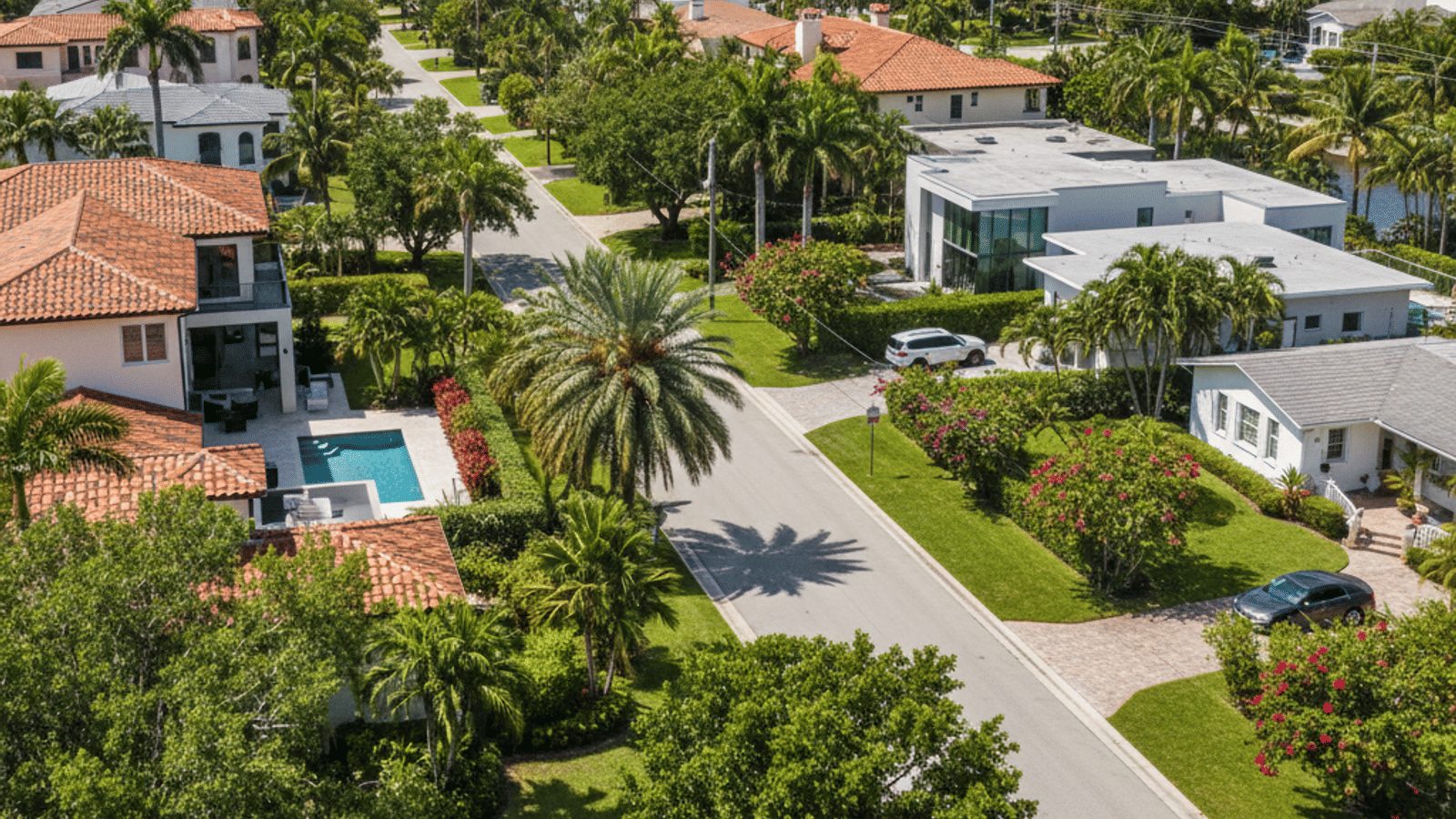
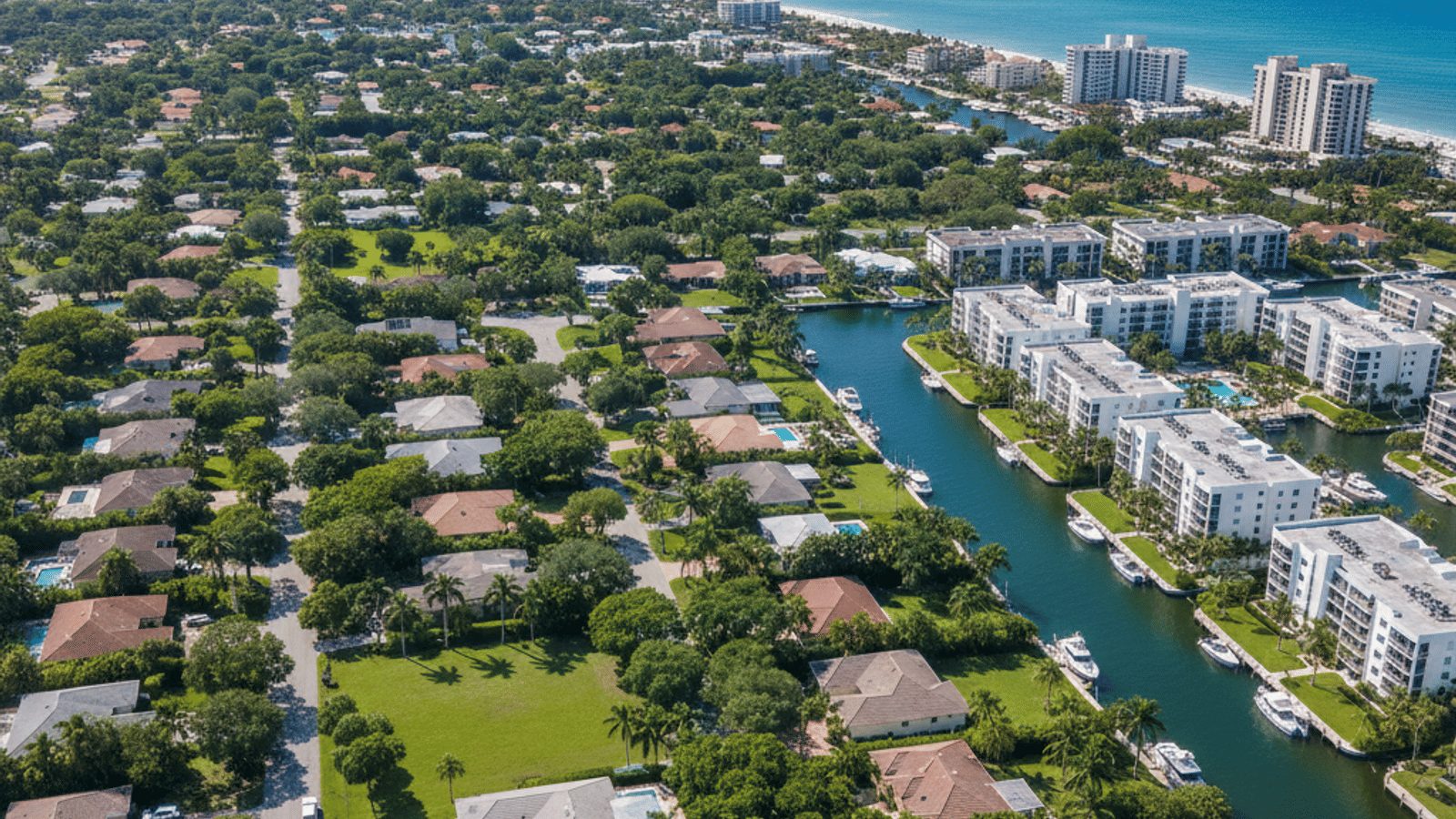
Locals split Lighthouse Point into three loose zones—never official, yet the lingo sticks.
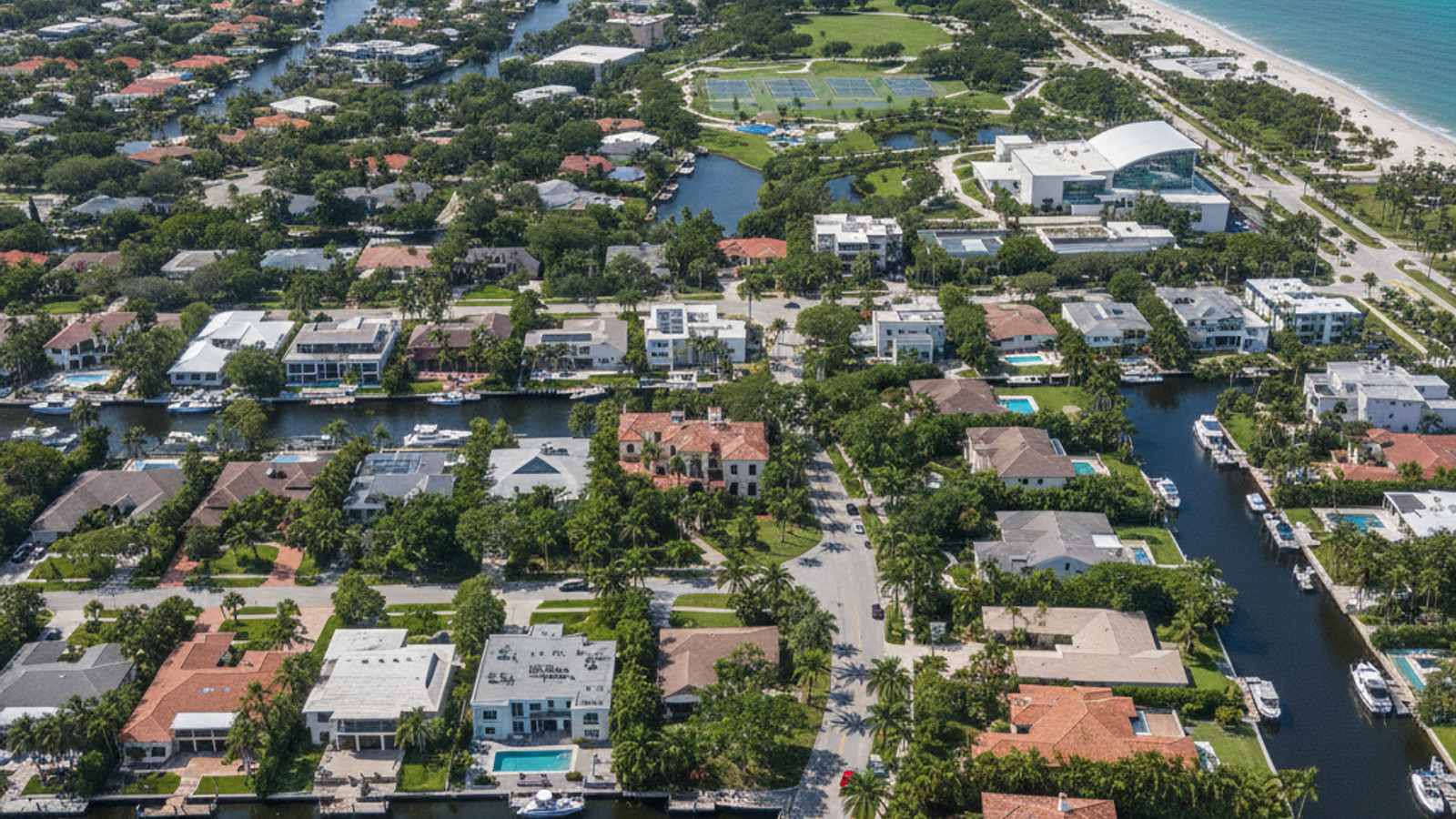
The Waterfront Fingers
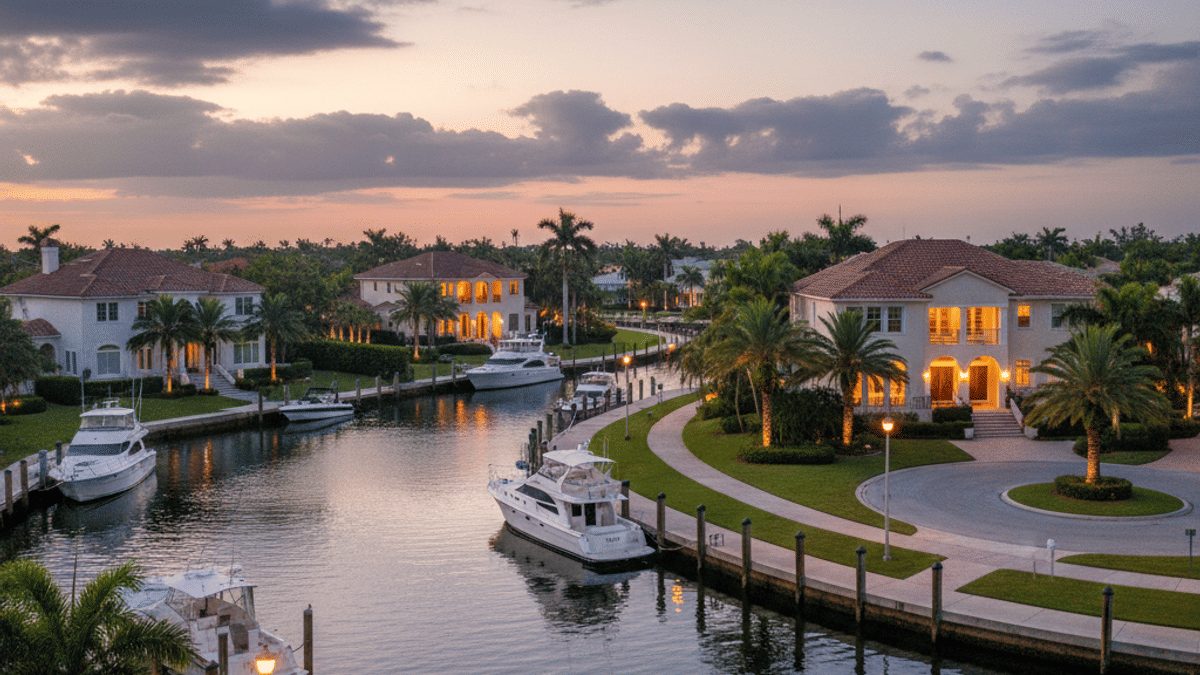
Curving canals, cul-de-sacs, and the occasional mega-yacht. Daylight hours here are almost postcard-calm. After dark you’ll still spot joggers and dog walkers because lighting is decent and traffic crawls at golf-cart speed. The biggest gripe you’ll hear? Opportunistic dockside theft—think unlocked paddleboards drifting away more than anything violent.
Federal Highway & Commercial Ribbon
Federal (US-1) slices straight through town with clusters of shops, marinas, and places to grab a late bite. Foot traffic spikes until 11 p.m., parking lots stay lit, and patrol cars swing by regularly. Car break-ins around retail lots crop up in police blotters the most here. Wallet left on the console? Plan on canceling a credit card.
The Quiet Interior Grid
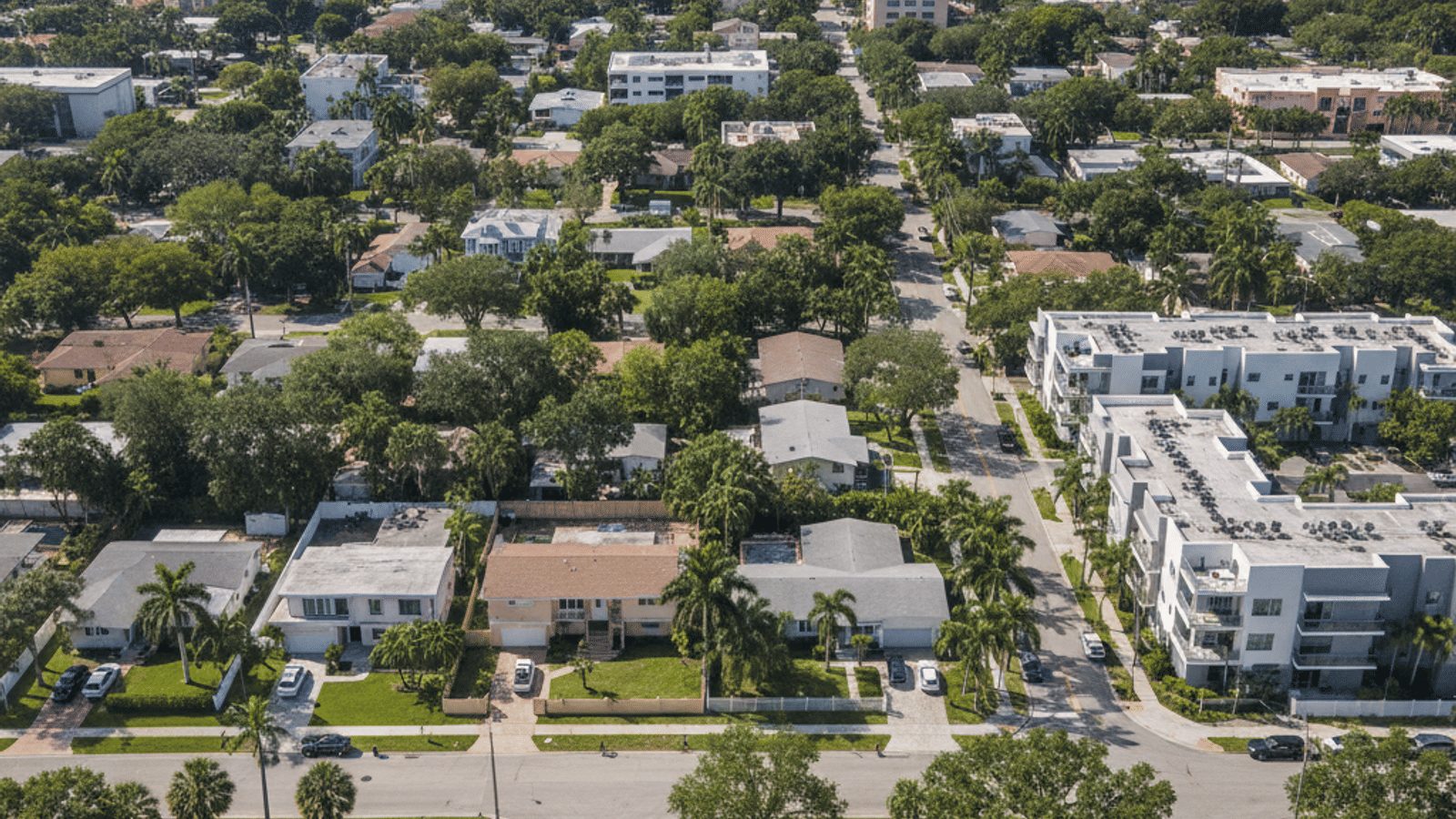
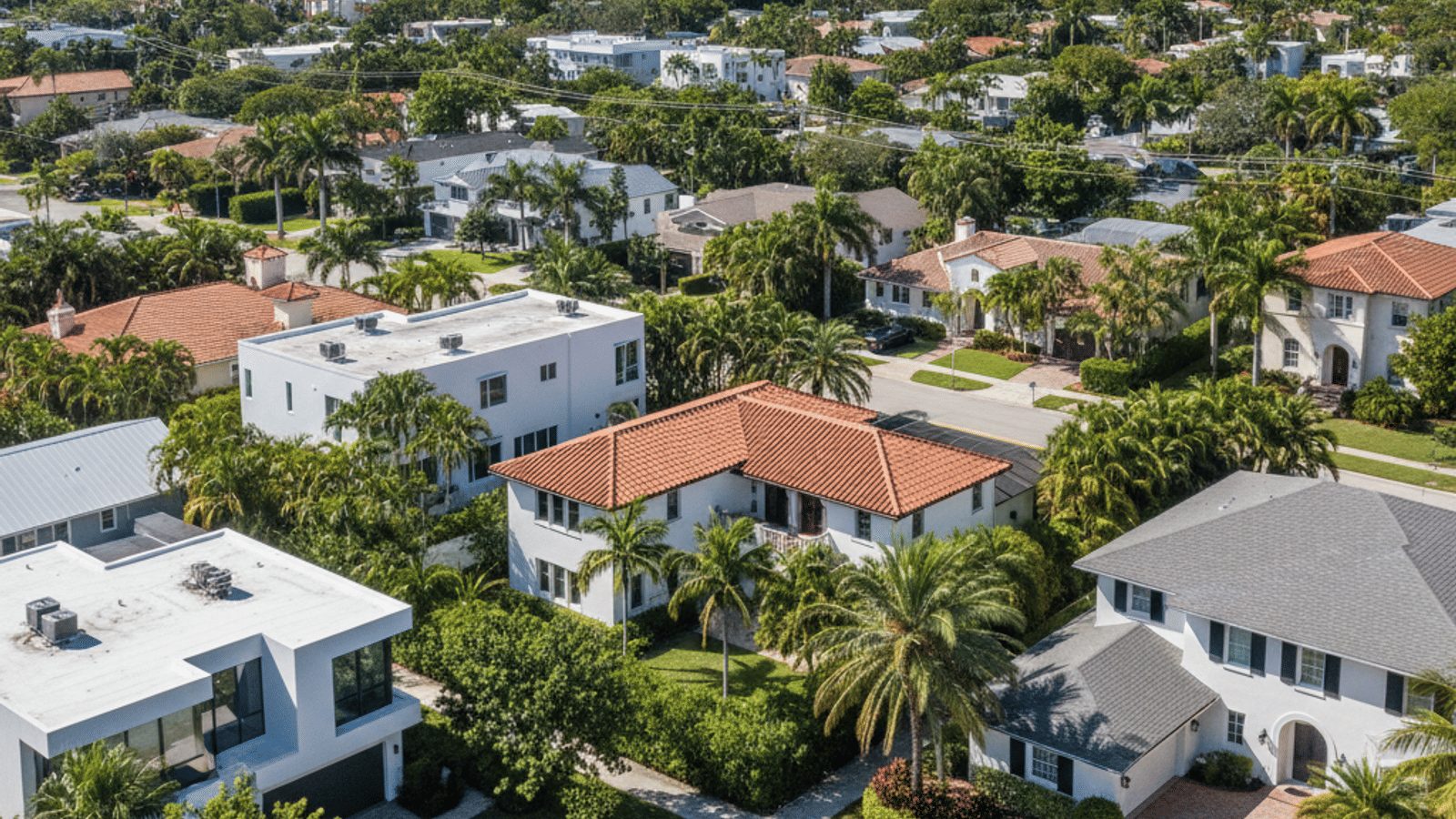
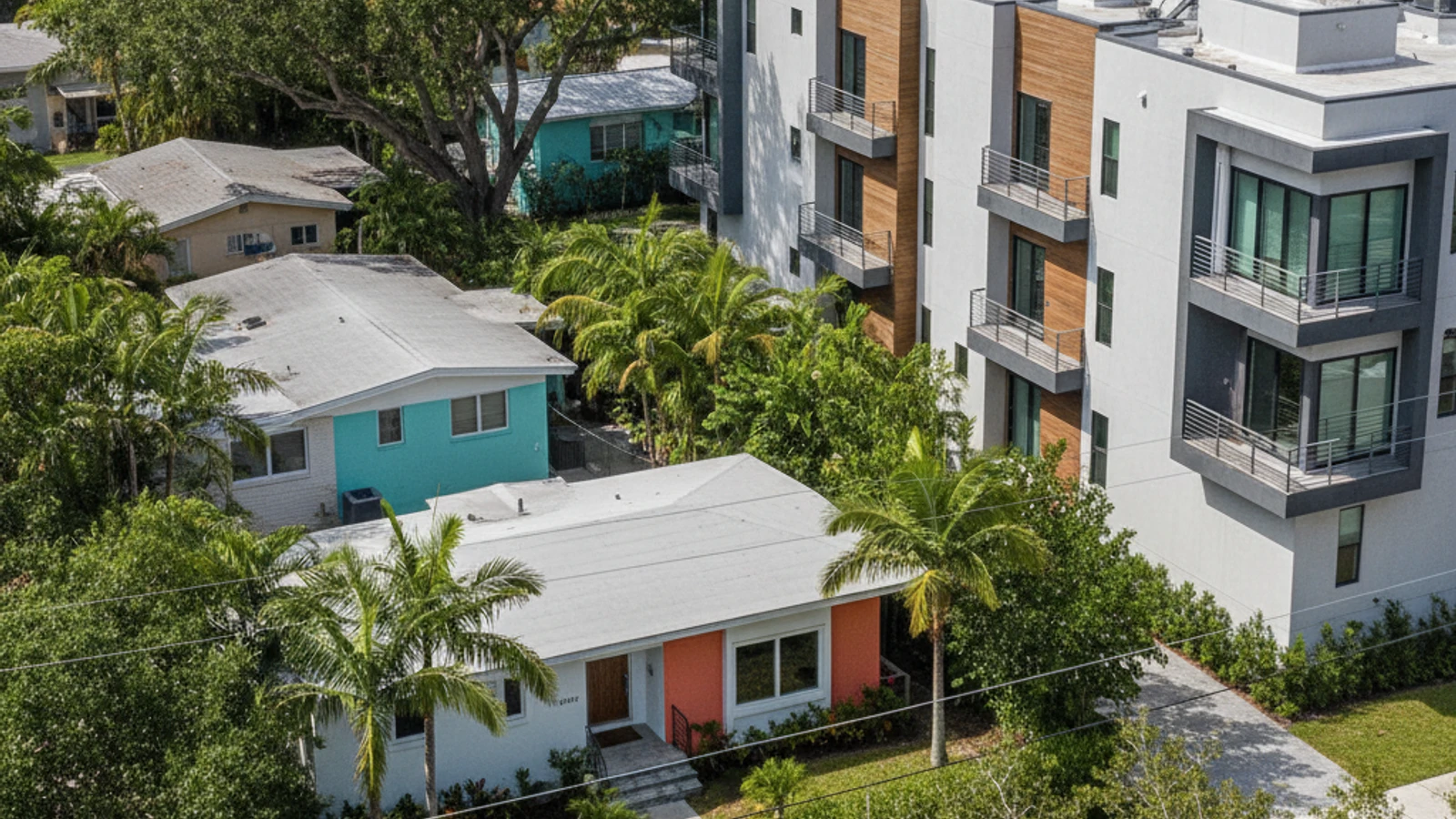
Away from the water you’ll find ranch homes, newer infill construction, and a quieter street grid. Streetlights exist but spacing varies. Residents often describe it as “peaceful until the occasional teen speeding on a scooter.” Package theft (drive-by porch pirates) ranks as the top annoyance. Doorbell cams are practically a neighborhood uniform.
Day vs. Night—Does the Mood Change?
Morning
Walkers own the sidewalks by sunrise. Marine supply shops crank open early, and most streets stay wide, clear, and comfortable.
Afternoon
School-pickup traffic and landscaping crews kick up noise—but incidents rarely escalate beyond the odd fender-bender.
Late Evening
If you’re strolling from a friend’s canal house toward US-1 for dessert, you’ll notice a sharper contrast in lighting. Canal cul-de-sacs glow warmly; once you reach broader commercial spots, neon signs take over and foot traffic is a mixed bag of locals grabbing tacos and drivers cutting through. Keep a normal awareness level—nothing extreme, just the same common sense you’d use in any South Florida coastal town.
What Locals Whisper (Anecdotes Beat Numbers)
I lurked on Lighthouse Point Facebook groups, scrolled neighborhood watch threads, and eavesdropped at the Nauti Dawg café. Here’s the unfiltered chatter:
- “Lock your car every single time. It’s always unlocked Jeeps that get rifled, not the fancy keyed ones.”
- “The city’s marine patrol is the unsung hero. Call them if you spot shady boat traffic.”
- “Amazon packages vanish around holidays—toss a security camera up and you’re golden.”
- “I feel fine walking the dog at 10 p.m., but I keep LED flashlights in both golf cart and bike basket.”
You’ll notice zero mention of violent confrontations. That tracks with incident reports: property crime pops up way more than personal assaults.
Property Crime vs. Person-to-Person Incidents
Let’s break it down channel-by-channel:
Property-Focused Incidents
- Vehicle rummaging (unlocked doors)
- Dockside equipment disappearing—fishing rods, smaller outboards
- Porch package grabs, especially during Prime Day and December rush
Person-Focused Incidents
- Bar-parking-lot dust-ups after the occasional heated Dolphins game
- Domestic disputes (these rarely involve bystanders yet still hit the stats sheet)
No city is a bubble, but Lighthouse Point’s pattern skews unmistakably toward opportunistic property theft over stranger-on-stranger violence.
Why the Waterfront Twists the Data
Boat traffic complicates every spreadsheet. A single visiting vessel’s crew can commit an offense, inflate Lighthouse Point’s per-capita stat for that month, then sail south before sunrise. Residents grumble, “That wasn’t even a local.” Police data almost never notes residency, so you see the spike but not the back-story.
Traffic & Lighting—The Unsexy Yet Crucial Factors
Walkability after dark sits high on every cautious buyer’s checklist, so here’s a quick street-level audit:
- Sample Road Corridor: Bright LED lamps, steady traffic, decent sidewalks. Comfort score = “Sure, I’d walk for ice cream.”
- NE 23rd Avenue Interior Grid: Older sodium lights, patchy tree cover, and fewer pedestrians. You may keep your phone flashlight on just to spot uneven pavement.
- Marina Areas: Floodlights glow until boats settle in; then it’s a well-lit ghost town. Great visibility, but nearly empty after midnight.
Simple rule: if an area looks sleepy at night, drive it once after dark before signing your offer paperwork. You’ll understand the trade-off between serenity and “Do I feel watched over?”
Neighborhood Watches & Police Presence
The city funds a visible marine unit plus routine street patrols. Response times hover under five minutes for urgent calls (check monthly reports on the city website if you’re the stats type). Neighborhood watches operate more like Facebook groups than roving flashlights—yet they’re effective. Someone’s Ring camera catches everything, and screenshots spread fast. Word travels quicker than the official blotter.
Practical Tips for Buyers, Renters, and Long-Term Guests
- Tour Twice—Once mid-morning, once after 9 p.m. You’ll see lighting gaps, hear bark-happy dogs, and clock traffic noise that daytime showings hide.
- Talk to Dockmasters—If the canal behind your potential home feeds heavy boat traffic, ask the dockmaster about late-night tie-ups. Too busy? Could mean rowdier weekends.
- Check Street Drainage—Storm surge puddles can push parked cars into the road. Safety isn’t only about crime; standing water equals fender scrapes.
- Verify Floodlights—Corner lots sometimes lack shared light posts. A $120 LED fixture now beats feeling uneasy later.
- Insurance Discounts—Some carriers offer breaks if you install monitored alarms. Worth a quote; peace of mind often pays for itself.
Seasonal Shake-Ups: What Winter Residents Don’t Realize
From November through April, population swells. Short-term renters sometimes forget basic security habits (doors unlocked, paddleboards left loose). Incidents spike a hair—not because Lighthouse Point suddenly shifts character, but because there are more easy targets. Permanent residents joke that the first cool front also brings the first rash of wallet-in-car reports.
Reading Crime Maps Without Freaking Out
Heat maps look scary—angry red circles screaming “Danger!” across US-1. Calm down. Those circles often cluster around the same small commercial block where store alarms false-trigger in the wee hours. Dig into details:
- Filter by incident type, not just color blob.
- Compare weekday vs. weekend to spot bar traffic blips.
- Look at three-year trends, not one-month noise.
If you still feel on edge, call the Lighthouse Point Police non-emergency line. They’re refreshingly candid about patterns and will walk you through context.
Kids, Pets, and Bicycles—Non-Crime Safety Angles
- School Traffic: Lighthouse Drive gets chaotic at 3 p.m.; drivers perform questionable U-turns. Plan safe pickup spots.
- Cycling Routes: The city stripes bike lanes along portions of NE 36th St., but lane width narrows near certain bridges. Early a.m. rides are best.
- Wildlife Cameos: Yes, iguanas dart across paths. Startle factor is high, danger factor low—unless you’re a hibiscus plant.
All minor compared with the usual urban headaches, but worth noting while you picture daily life.
So, Is It “Safe” Enough for You?
Here’s the boiled-down vibe:
- Violent run-ins? Uncommon.
- Property annoyances? Manageable with locks and lights.
- Walkability at night? Good in commercial strips, patchy on a few interior roads—test them yourself.
- Community watchfulness? Strong, if informally organized.
If your comfort zone demands a gated enclave with roving guards, Lighthouse Point might feel a tad open. If you’re cool with neighbor-looking-out-for-neighbor and basic preventive habits, you’ll find the mood largely relaxed.
Tools & Resources for Ongoing Peace of Mind
- Lighthouse Point Police Department Blotter (weekly PDF—google it)
- CrimeMapping.com filter set to “Broward County > Lighthouse Point”
- Ring Neighbors App (drops hyperlocal video alerts)
- Marine Patrol direct line—handy if you live canalside
- Broward County Flood Zone map (for those drainage and insurance checks)
Ready to Kick the Tires?
Do a drive-through after dinner, chat up someone fueling their Boston Whaler, and open every cabinet during your next showing—because nothing ruins a gorgeous kitchen like second-guessing your personal security later.
Lighthouse Point won’t hand you a 100 percent risk-free bubble. No place will. What it offers is a straightforward balance: laid-back water-town living plus enough vigilance to keep trouble at arm’s length—provided you play your part.
Still curious? Grab a local agent, book that twilight tour, and decide for yourself. Because the only safety metric that truly matters is the one that lets you sleep soundly.