The 2026 Ultimate Guide for Fort Lauderdale FL: Real Estate and Relocation
Relocating to South Florida requires understanding local market dynamics, infrastructure, and housing options. Known as the Venice of America, this city offers a complex network of residential canals and mainland neighborhoods that require careful navigation by buyers. A successful purchase depends on localized data rather than broad regional assumptions.
While a typical travel guide might focus on vacation highlights, making a confident purchase here means looking past the brochures to analyze property taxes, commute times, and zoning boundaries. This comprehensive overview provides the objective data and local insights needed to evaluate the greater Fort Lauderdale area for a primary residence or investment property in 2026.
Fort Lauderdale Real Estate Market Overview
Navigating the 2026 housing landscape requires a clear understanding of current pricing and tax structures. The median home price currently hovers around $580,000 according to recent MLS data, reflecting a stabilization after years of rapid appreciation.
Buyers must factor in local property taxes, which sit at an effective rate of approximately 0.94% across Broward County. With a 2026 millage rate of 5.6658, properly calculating monthly carrying costs is essential for any acquisition.
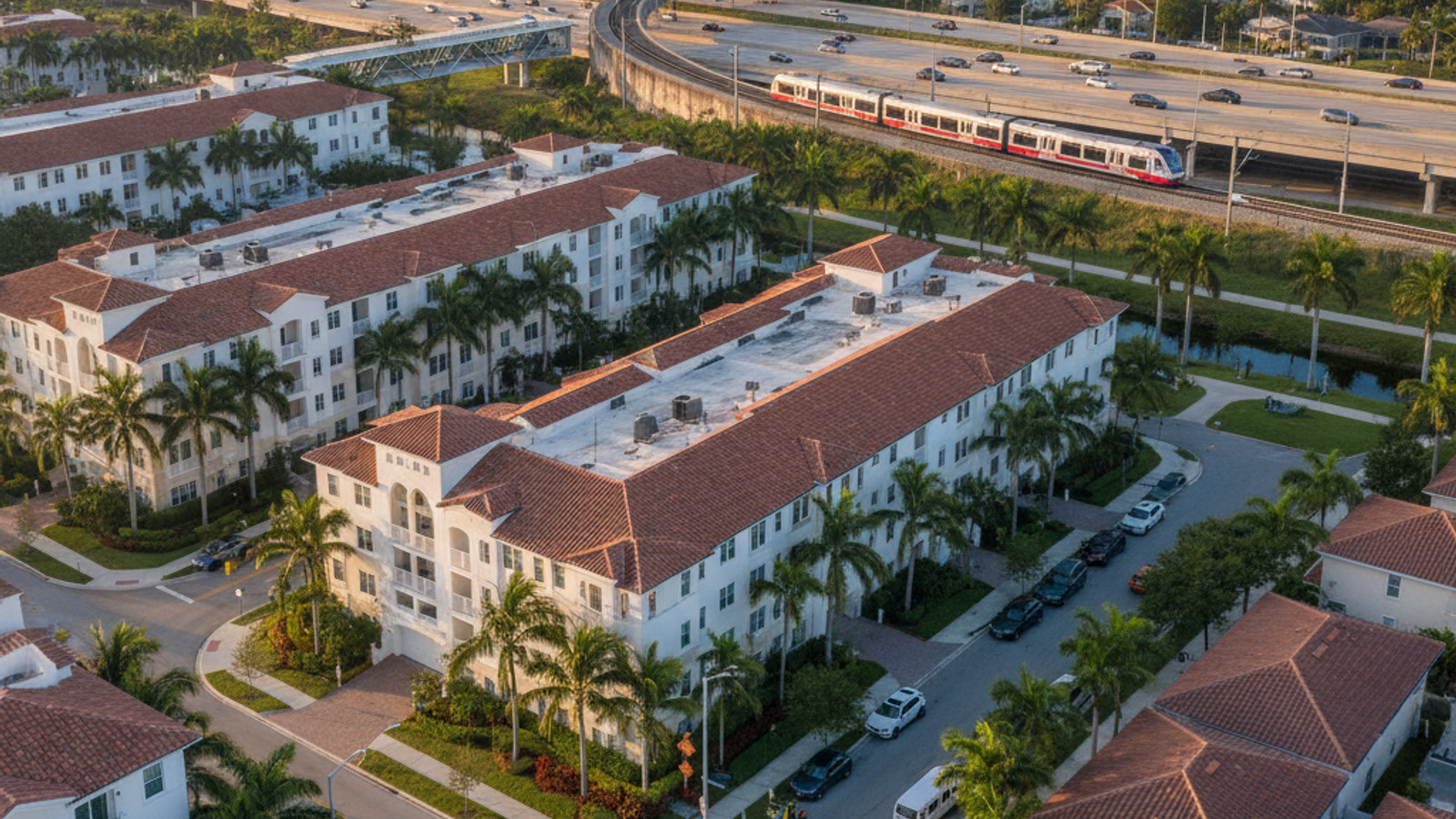
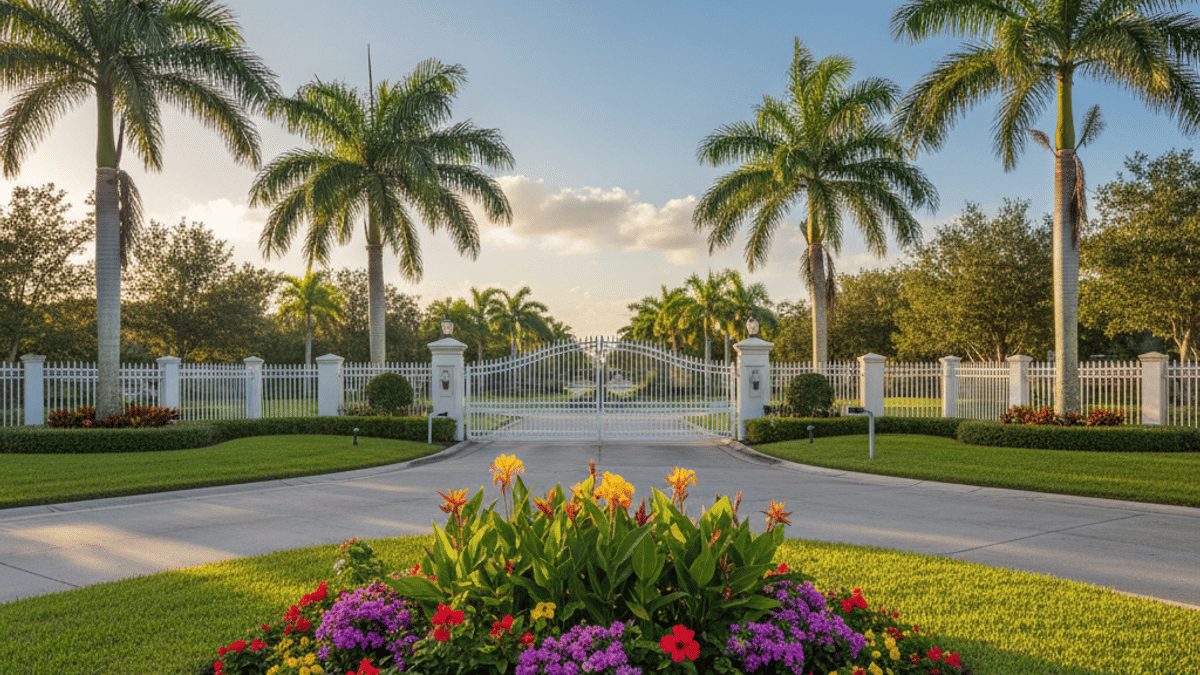
The most crucial factor for buyers right now is accounting for mandatory association fees, as HOAs are prevalent in both high-rise condo buildings and gated mainland communities. Failing to factor in these monthly assessments can easily derail a buyer’s debt-to-income ratio.
Housing Styles Across Major Neighborhoods
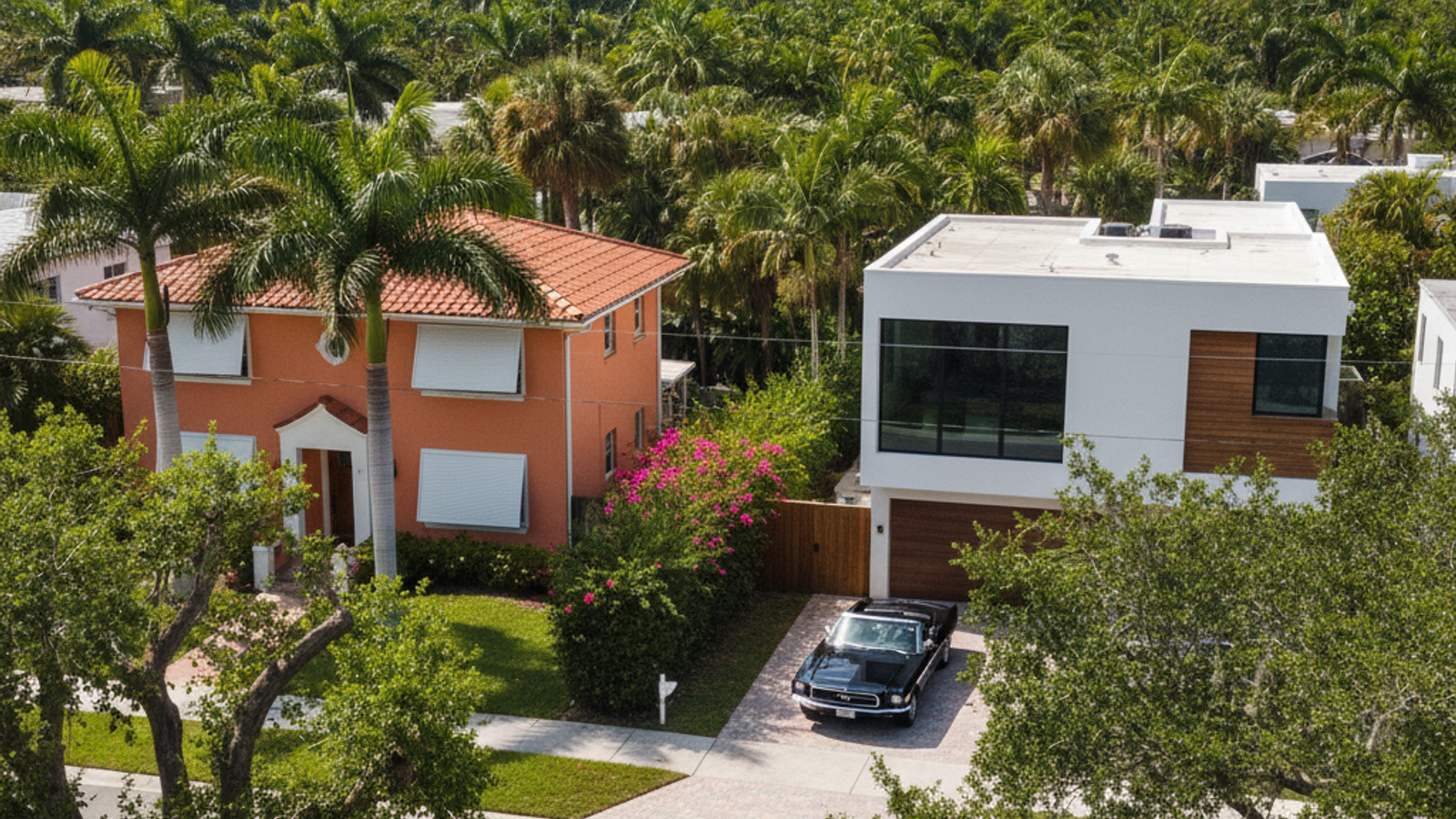
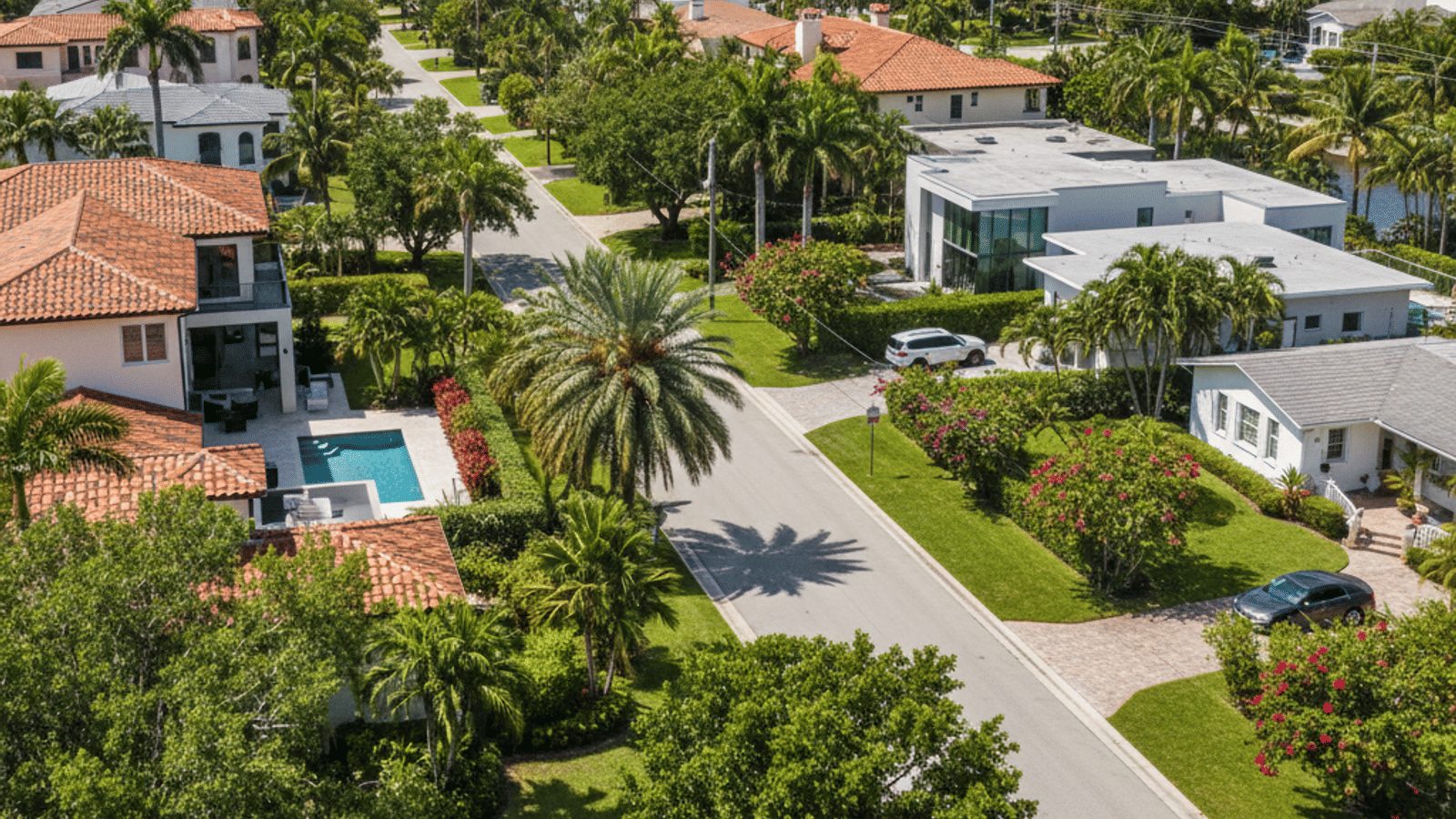
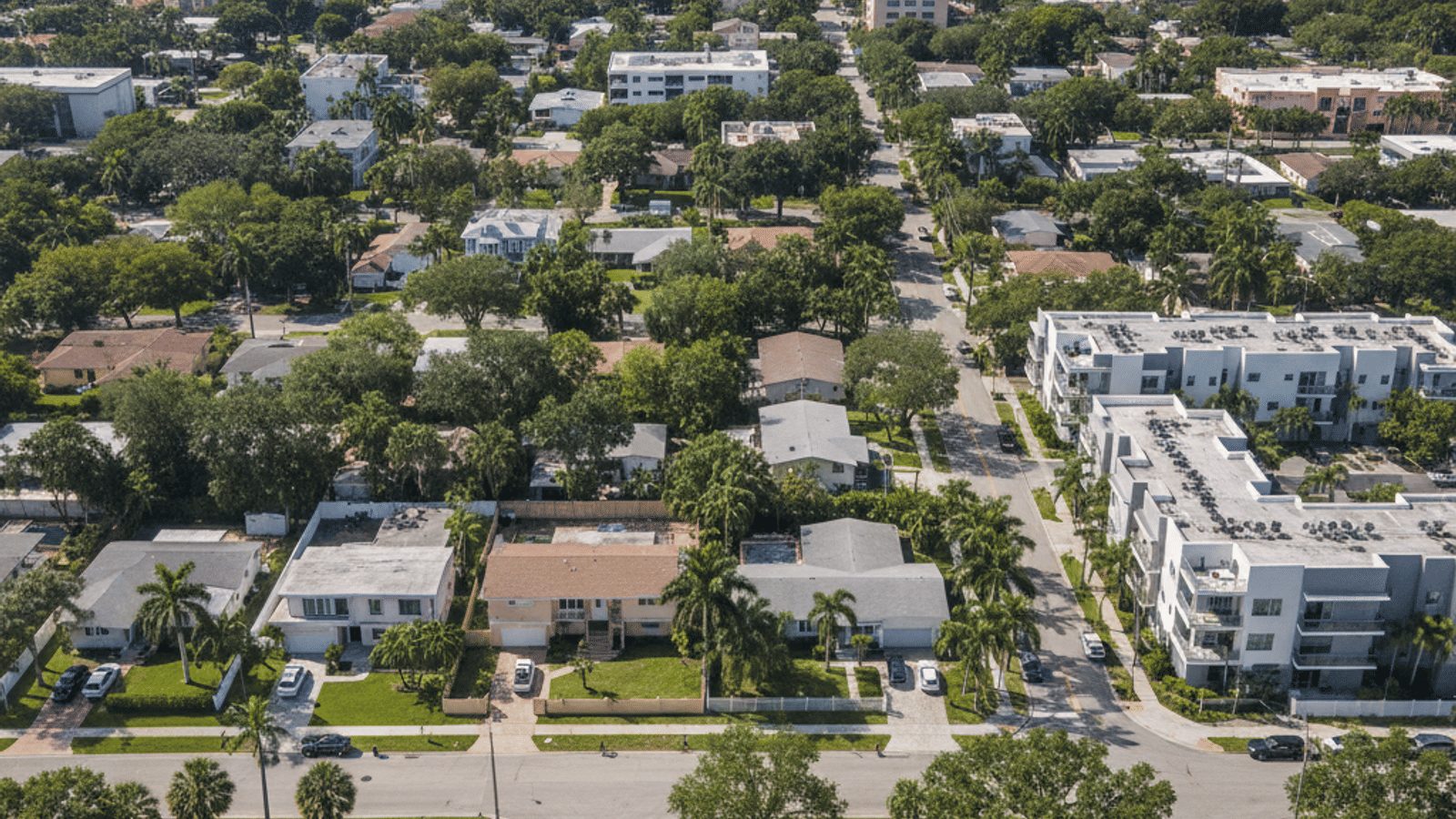
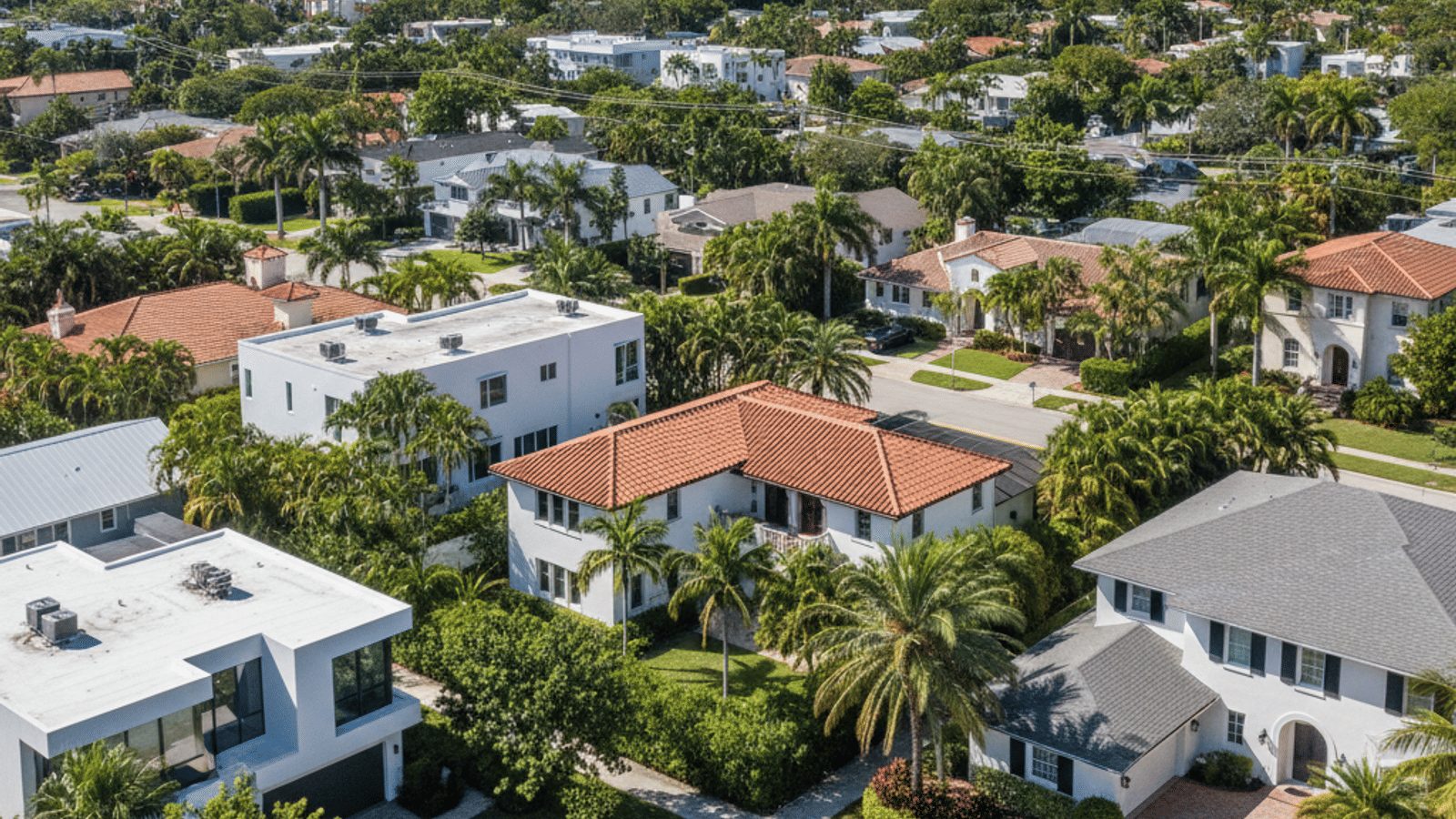
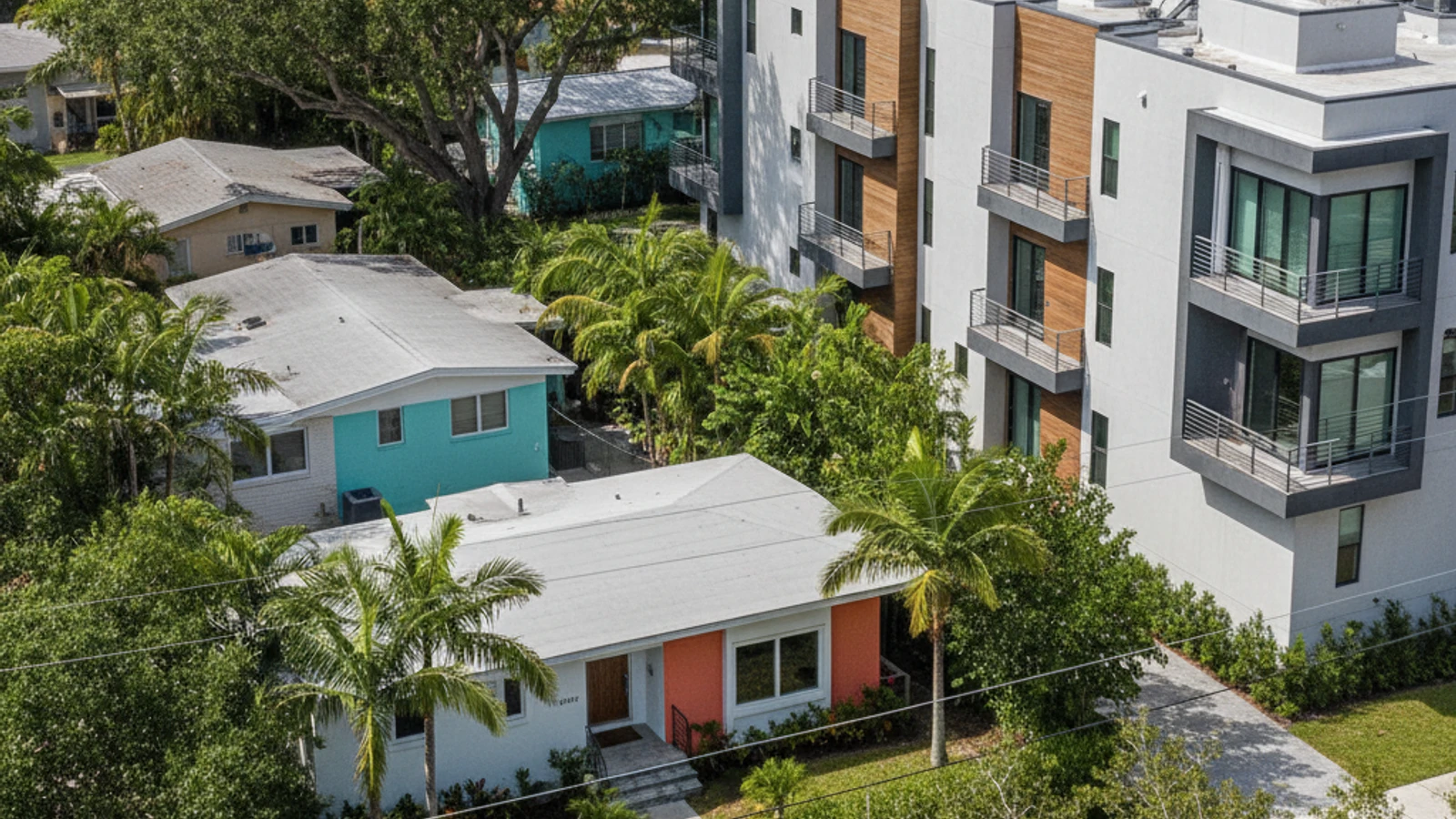
Architectural diversity defines the residential sectors, with Victoria Park showcasing a distinct blend of restored mid-century modern homes and new construction townhomes. This area offers dense, walkable streetscapes close to downtown Fort Lauderdale.
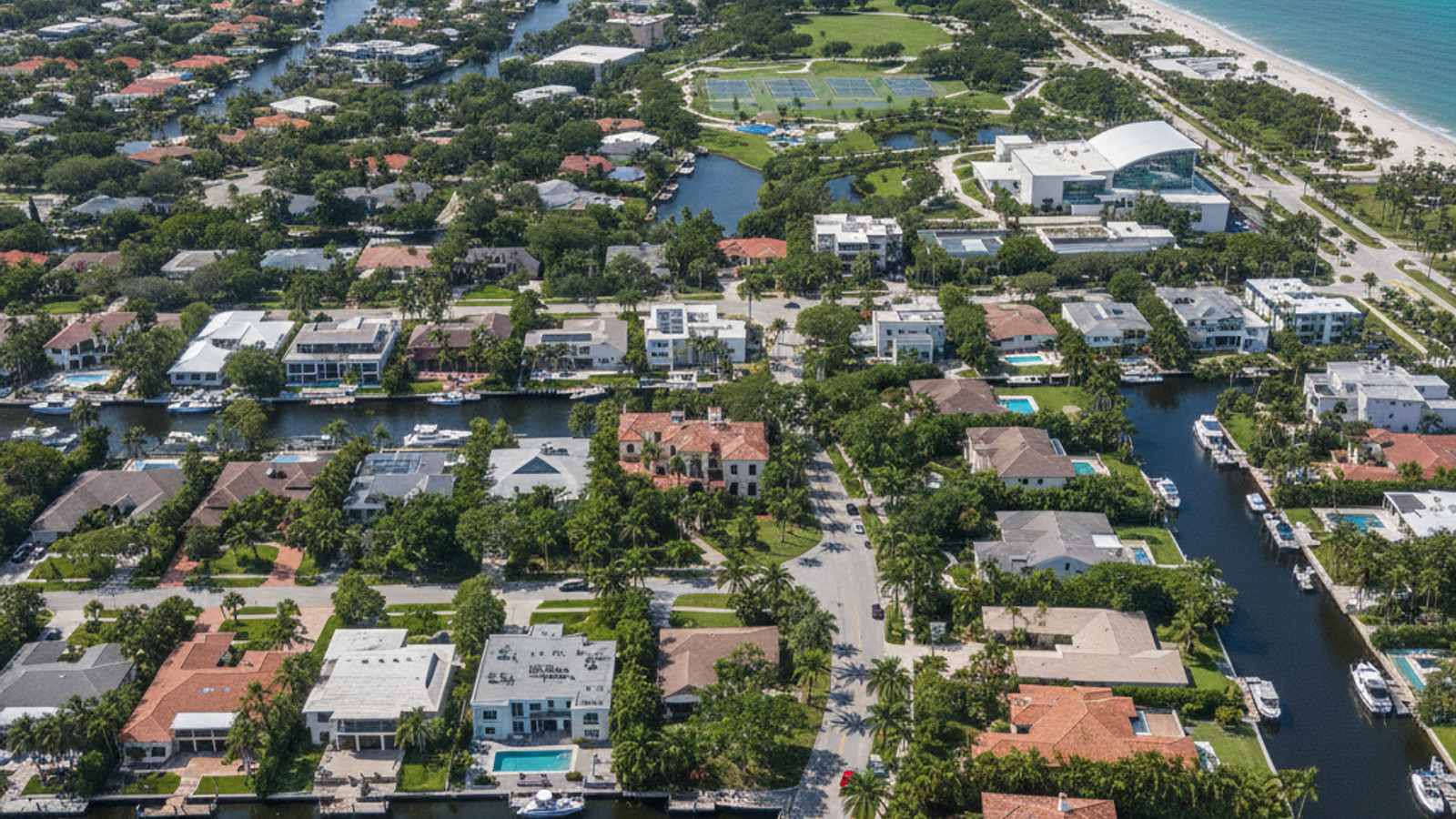
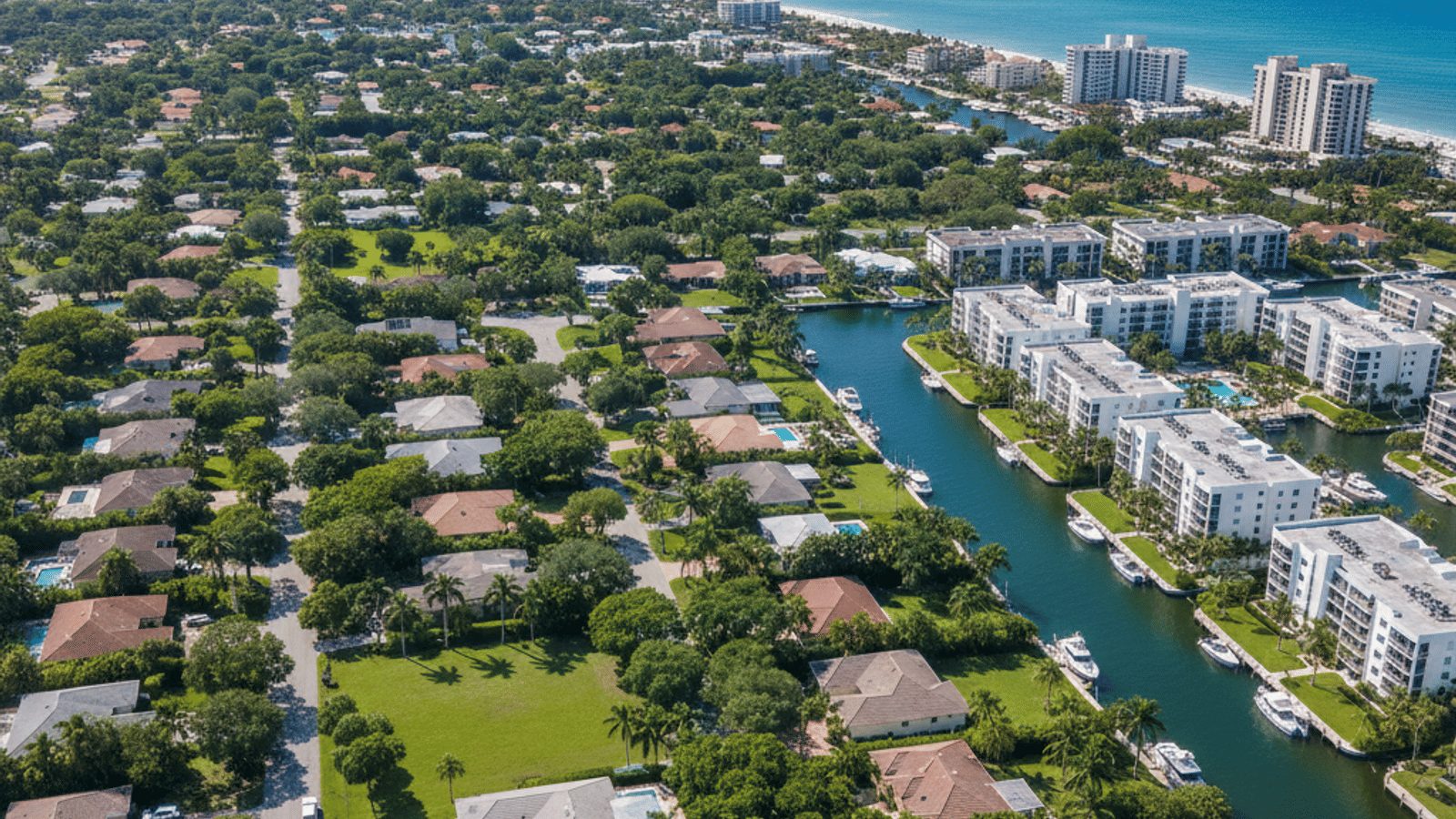
Further north, Coral Ridge features larger lot sizes and direct proximity to the Intracoastal Waterway. Waterfront access is a primary driver of property values here, with many parcels accommodating private vessels.
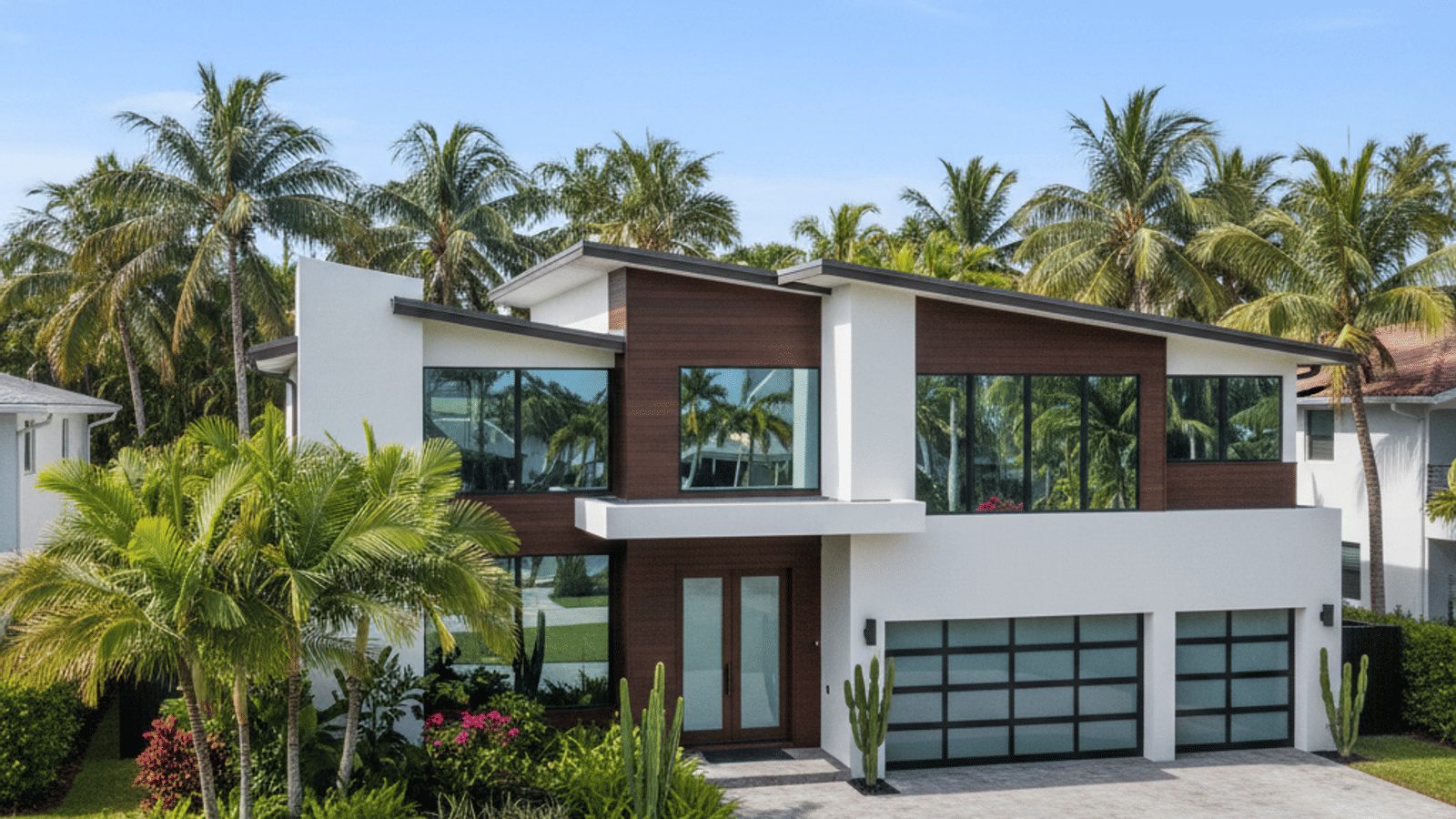
The luxury estate market reaches its peak along Las Olas Isles, situated just off the famous Las Olas Boulevard, where valuations are heavily dictated by linear feet of waterfront and deep-water dockage. Buyers targeting this sector are paying a premium for unobstructed ocean access without fixed bridges.
Economic Data and Major Employers
Fort Lauderdale operates as a major economic hub in South Florida, supported by a robust corporate infrastructure that extends far beyond the hospitality sector. The city serves as a strategic headquarters location for several global corporations.
AutoNation stands out as a massive Fortune 500 employer, operating out of downtown Fort Lauderdale with over 3,000 local corporate jobs. The presence of American Express and various aviation technology firms further anchors the regional employment base. These corporate centers drive consistent housing demand in the surrounding zip codes.
The marine industry remains an economic powerhouse, generating an approximate $9 billion annual impact and supporting roughly 111,000 jobs countywide. For real estate investors, this diversified employment base provides a stable pool of long-term tenants and buyers.
Real estate near major employment centers consistently retains value better during market shifts. Buyers prioritizing proximity to these corporate hubs will find stronger long-term appreciation potential.
Transportation Infrastructure and Commute Times
Evaluating commute logistics is a critical step for anyone moving to the metropolitan area. The region is anchored by the Fort Lauderdale-Hollywood International Airport, which provides extensive domestic and international flight connectivity just minutes from the city center.
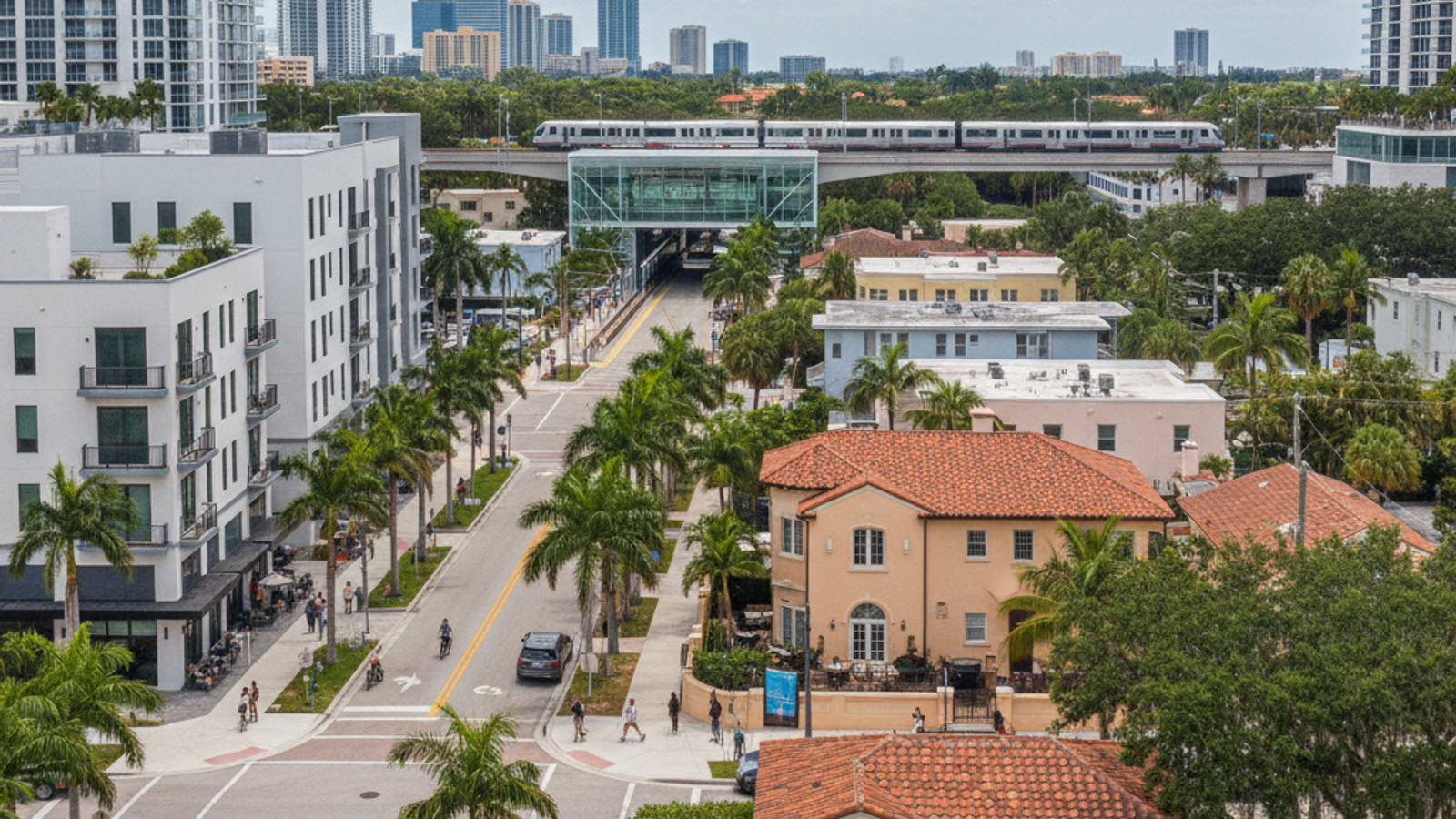
Regional transit has been transformed by the Brightline high-speed rail station located downtown. This system offers rapid, traffic-free connectivity south to Miami and north to West Palm Beach and Orlando.
For those driving, a typical rush-hour commute to downtown Miami via I-95 takes approximately 35 to 50 minutes depending on departure times. Local movement is supported by Broward County Transit and the unique Water Taxi system that navigates the city’s extensive canal network.
Buyers should prioritize neighborhoods near Brightline or major highway ramps if they plan to work outside the city limits. Shaving ten minutes off a daily commute translates to significant long-term lifestyle improvements.
Broward County Public Schools and Zoning
Educational zoning plays a direct role in property valuations and neighborhood selection. The Broward County Public Schools system operates as the primary district serving local residents.
The district offers highly specific educational tracks, including notable magnet programs focused on STEAM and Aviation Technology. Specialized campuses like Dillard 6-12 also provide dedicated Digital Entrepreneurship programs for enrolled students.
Out-of-boundary school choice applications and a robust network of charter schools offer alternatives to standard residential zoning assignments. The city also benefits from close proximity to higher education hubs, including the local campuses of Nova Southeastern University and Broward College.
Even buyers without school-aged dependents should verify local school zoning boundaries before purchasing. Properties zoned for highly rated magnet programs historically experience lower days on market when it comes time to sell.
Lifestyle Amenities, Parks, and Healthcare
The local infrastructure provides extensive recreational and medical facilities to support the year-round population. Fort Lauderdale Beach offers miles of accessible Atlantic Ocean shoreline located just a short distance from the downtown residential hubs.
Cultural and educational facilities are concentrated along the Riverwalk Arts & Entertainment District. This corridor houses major venues, including the interactive Museum of Discovery and Science, which serves as a central point of interest in the city core.
Hugh Taylor Birch State Park provides 180 acres of green space, featuring objective amenities like paved trails and public kayak launches. On the medical front, residents are served by comprehensive healthcare networks, anchored by the Level 1 trauma facilities at Broward Health Medical Center.
Properties located within a two-mile radius of the Riverwalk district offer an excellent balance of urban amenities and waterfront access. This specific zone represents a highly resilient segment of the local housing market.
Frequently Asked Questions About Moving to Fort Lauderdale
Is Fort Lauderdale part of the Miami metropolitan area?
Yes, the city is a primary municipality within the broader Miami-Fort Lauderdale-West Palm Beach metropolitan statistical area. This regional integration means residents frequently commute across county lines for employment and recreation.
Are there transfer taxes when buying a home in Fort Lauderdale?
Florida imposes a documentary stamp tax on real estate transfers, which is typically paid by the seller. The state rate is approximately $0.70 per $100 of the property consideration, adding a specific closing cost that must be calculated during the transaction.