Moving to South Florida: What to Know About Living in Fort Lauderdale FL in 2026
Fort Lauderdale has evolved far beyond its historical reputation as a seasonal vacation spot. Today, the city offers a dynamic year-round lifestyle anchored by strong employment sectors and incredible coastal access.
Navigating the realities of living in Fort Lauderdale FL requires a clear understanding of the local housing market, transit options, and daily expenses. Whether you are looking at inland neighborhoods or waterfront properties, knowing the current 2026 landscape is essential for planning a successful move. Our local infrastructure and tax policies play a major role in daily budgeting.
The 2026 Fort Lauderdale Real Estate Market
The current housing landscape in Fort Lauderdale presents a stabilizing environment for buyers in 2026. Inventory levels have leveled out compared to the rapid fluctuations seen in prior years, giving purchasers more leverage when negotiating terms. This balanced dynamic makes it a strategic time to evaluate long-term property investments.
Property values here remain robust but generally offer a more approachable entry point than the neighboring luxury markets of Miami to the south. The median home price currently ranges from approximately $460,000 to $620,000, depending heavily on the specific location and property type.
Single-Family Homes vs. Waterfront Condos
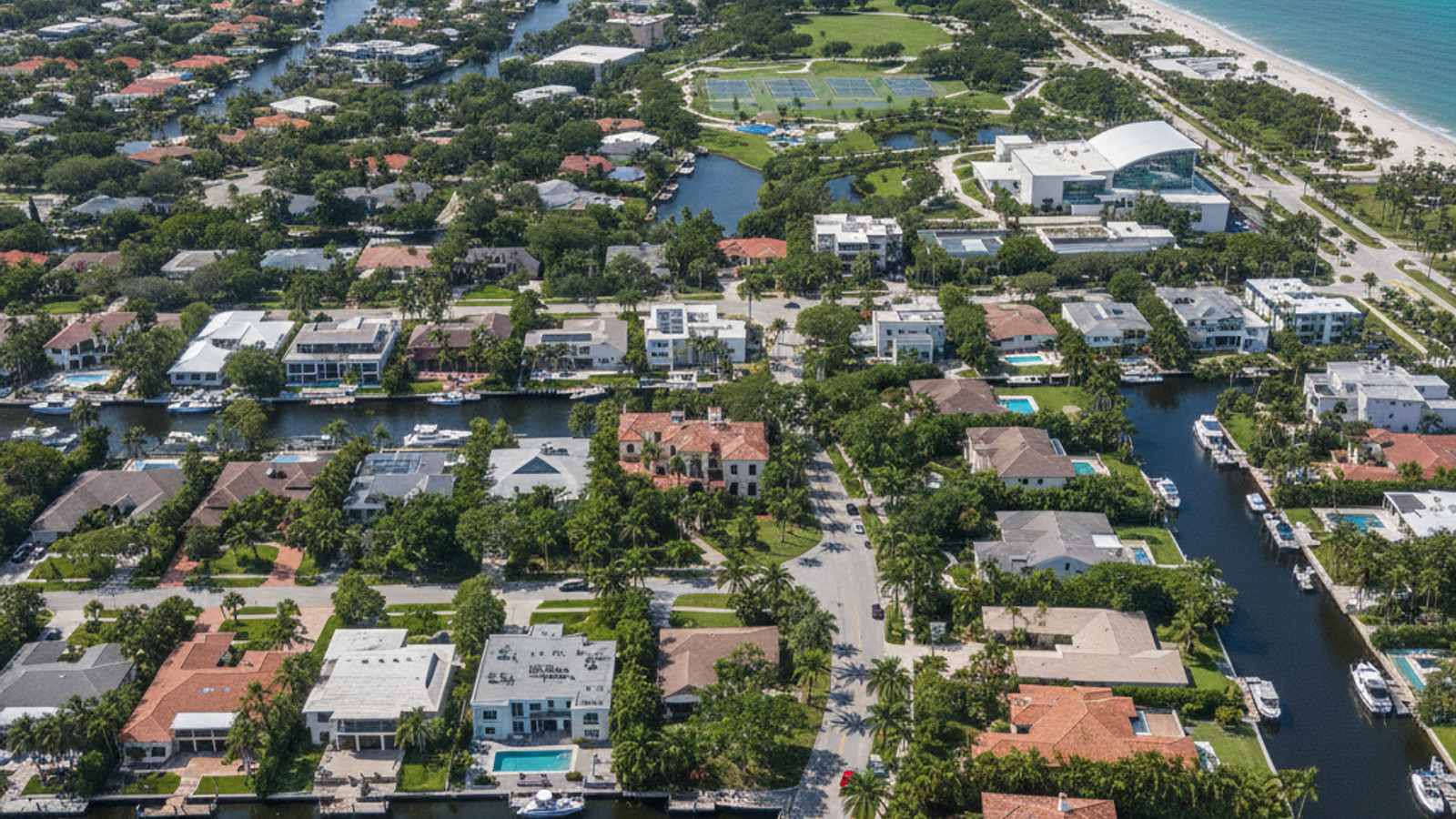
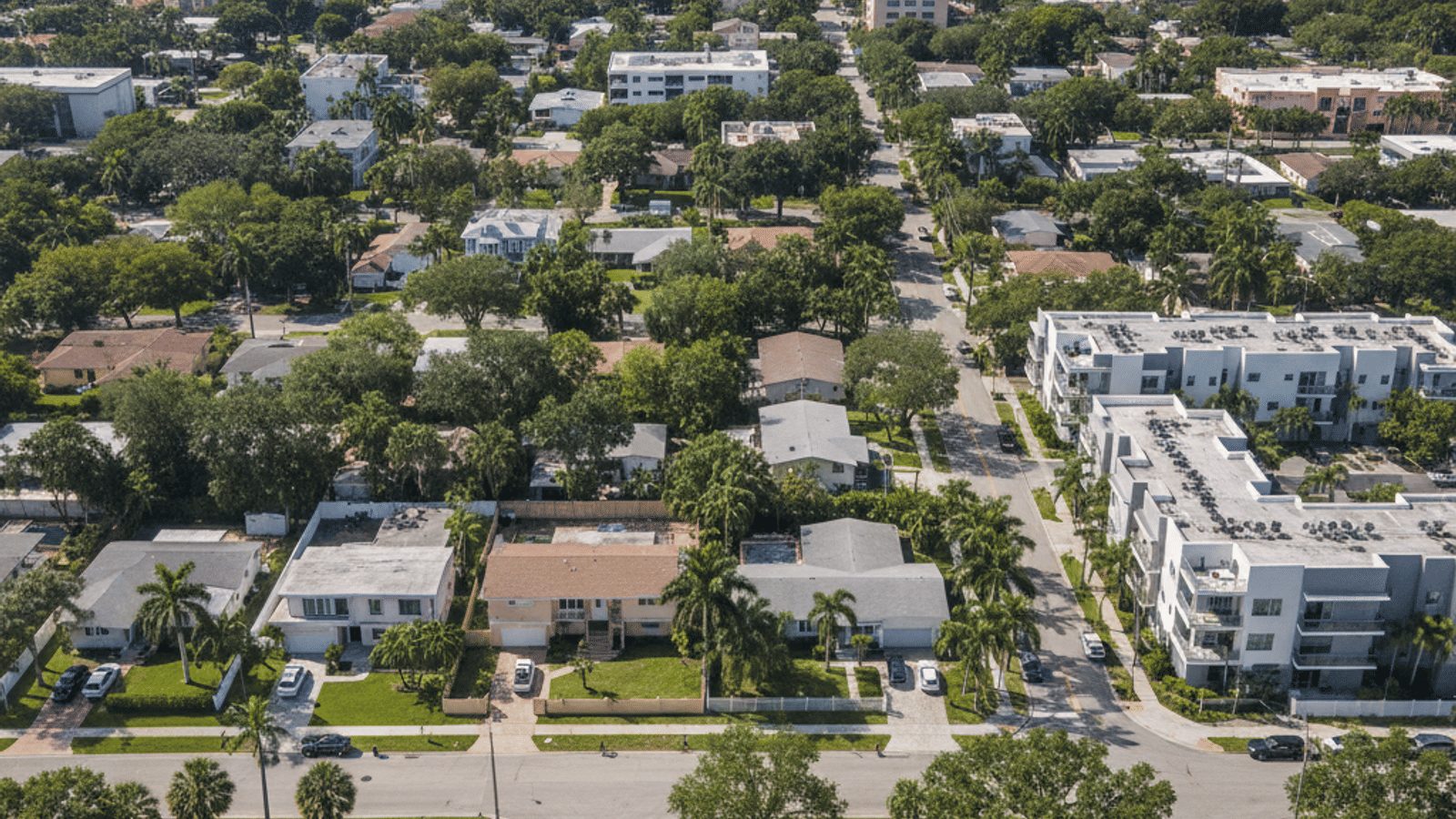
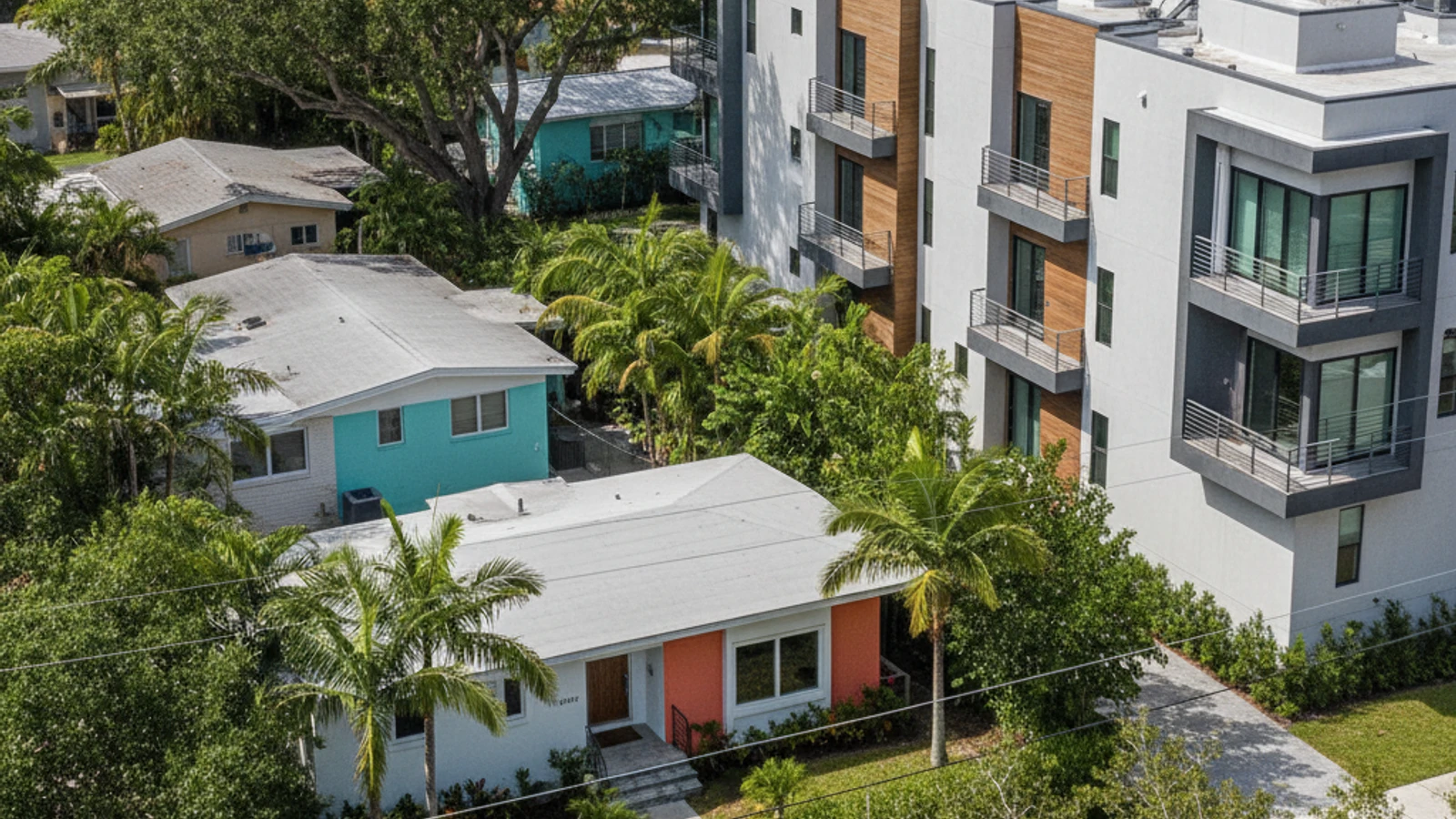
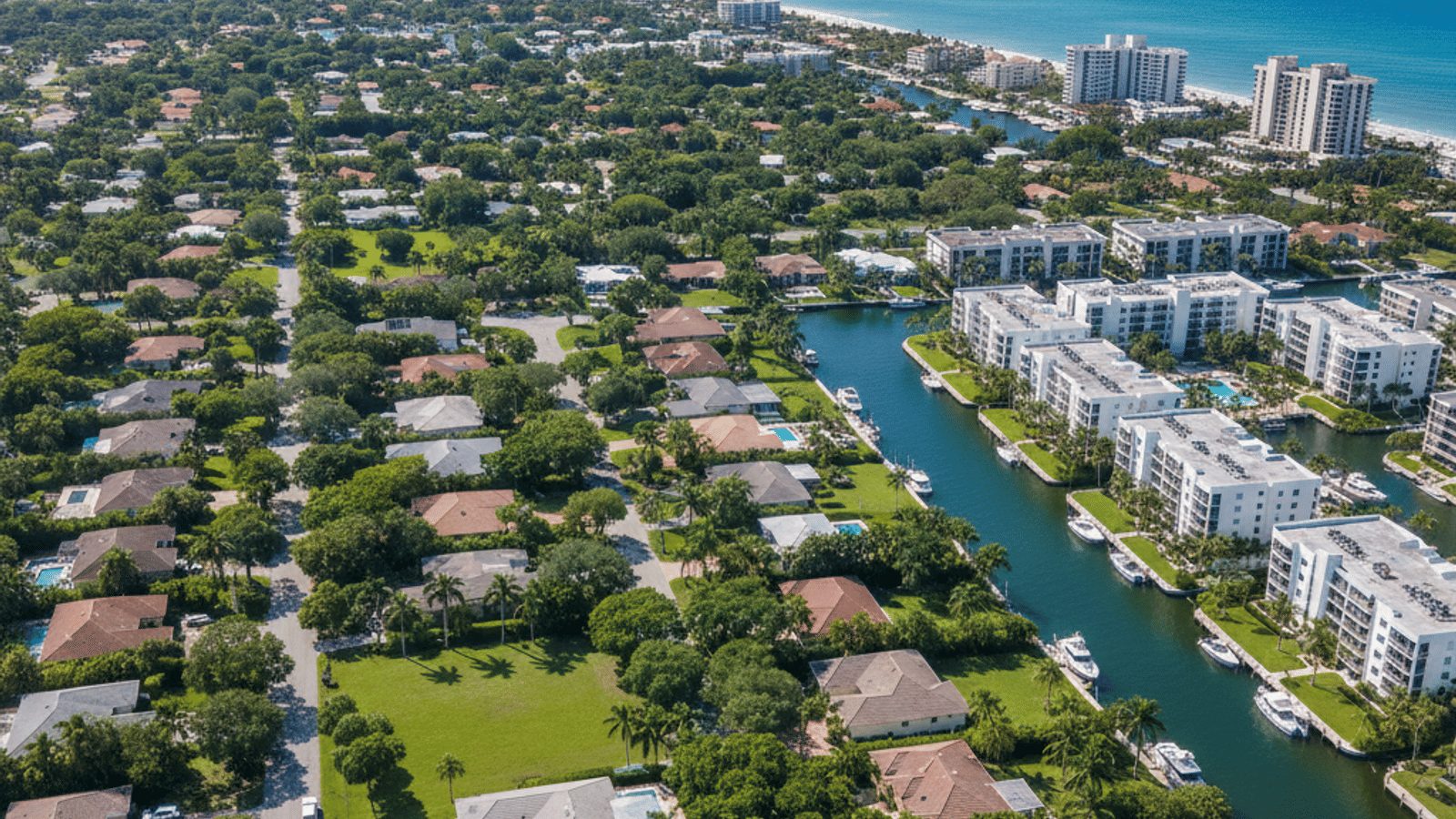
The city boasts around 165 miles of navigable canals, making waterfront condos near Las Olas Isles and the beach highly sought after. These condominium units average around $450,000, though buyers must carefully factor in monthly HOA fees and insurance premiums.
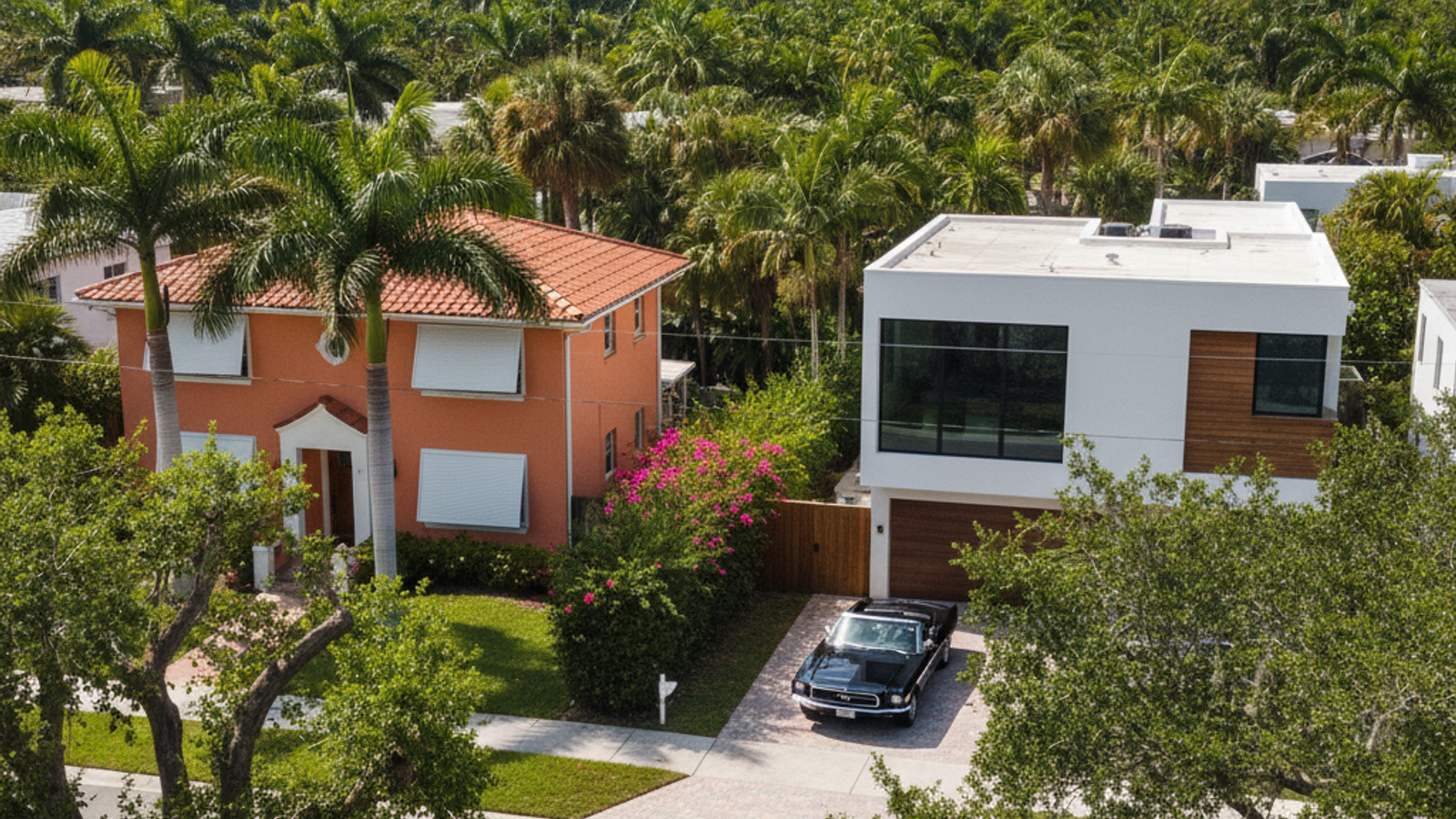
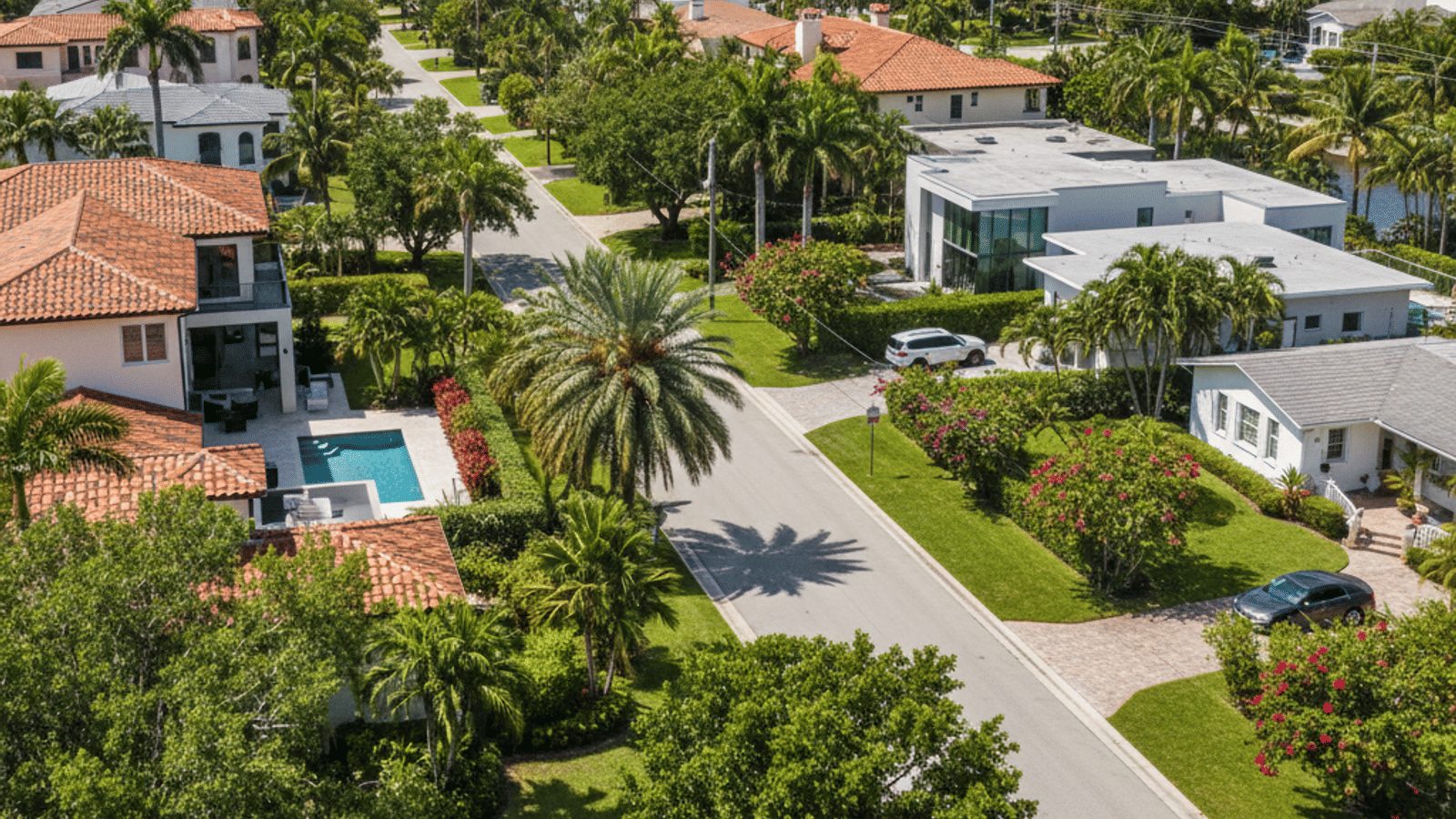
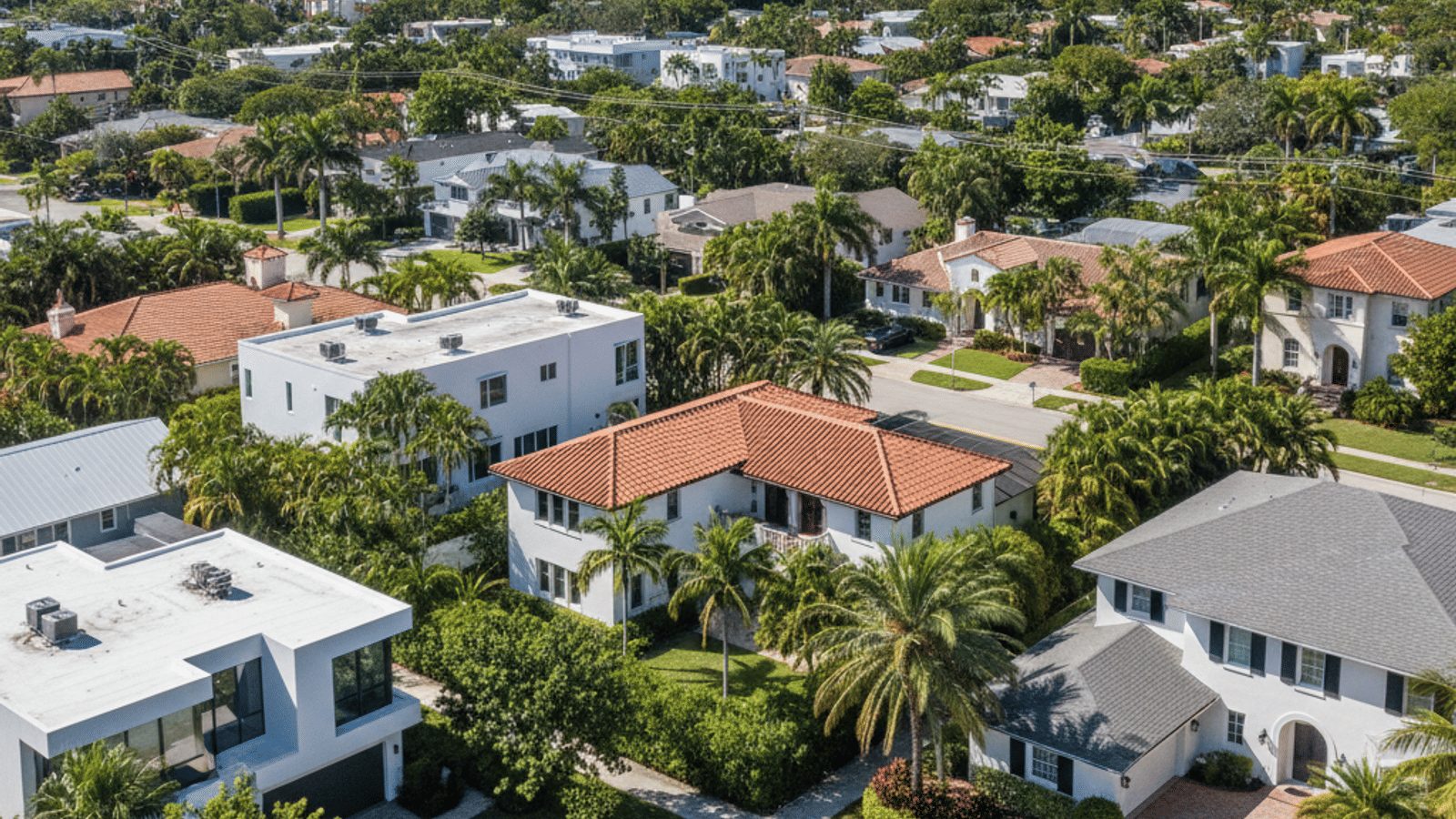
Inland single-family homes offer a different lifestyle, typically featuring larger lots and no shared maintenance expenses. Choosing between the two property types often comes down to balancing the desire for ocean access against the need for private outdoor space.
Understanding the Cost of Living in Fort Lauderdale
Evaluating the financial realities of South Florida means looking closely at how daily expenses stack up against national baselines. The overall cost of living index in Fort Lauderdale currently sits about 16% to 25% higher than the national average.
Housing is the primary driver of this elevated cost, but residents benefit from a major financial offset. Florida enforces a 0% state income tax, which allows workers to keep a larger portion of their earnings to balance out the higher local prices.
Housing Costs and Property Taxes
Renting an apartment in the Fort Lauderdale area typically costs between $2,500 and $2,800 per month. For buyers, the 2026 effective property tax rate in Broward County hovers roughly between 0.94% and 1.1% of the assessed property value.
Homeowners should be aware of the Truth in Millage, or TRIM, process that outlines proposed taxes each August. Additionally, the Save Our Homes assessment cap limits annual increases on the assessed value of homesteaded properties to a maximum of 3%.
Utilities, Groceries, and Healthcare
Daily expenses outside of housing present a mixed financial picture for local residents. Here is a breakdown of how essential costs compare to the national average:
Utilities typically run 3% to 4% higher due to the year-round demand for air conditioning.
Grocery bills pace just above the national baseline, generally costing 5% to 9% more.
* Healthcare costs actually trend notably below the national average, offering savings of about 14% to 17%.
Navigating Public Transit and Commute Times
Getting around South Florida requires an understanding of the regional transportation infrastructure. The Broward County Transit bus network handles local commuting, providing extensive routes throughout the city and surrounding suburbs.
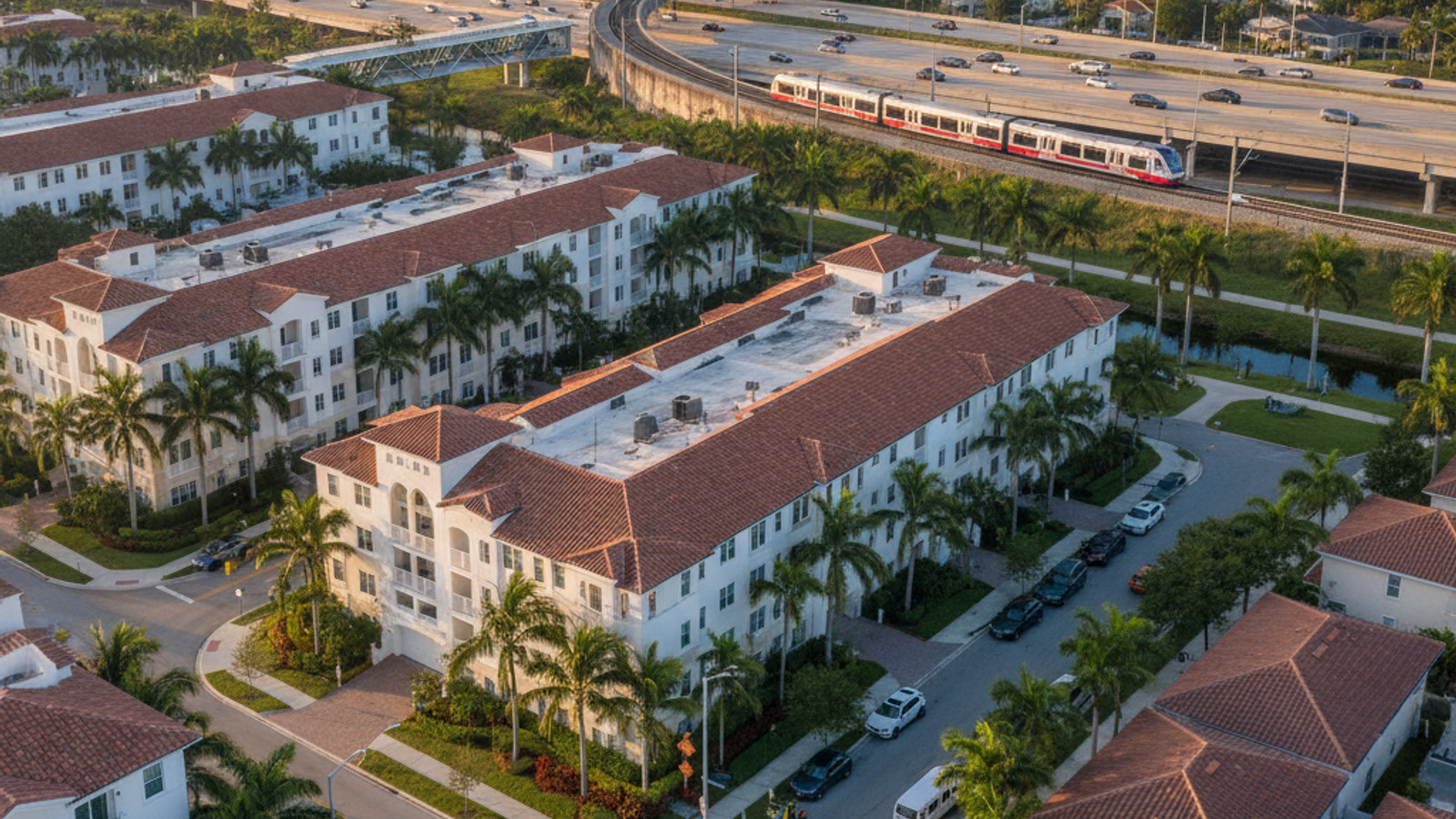
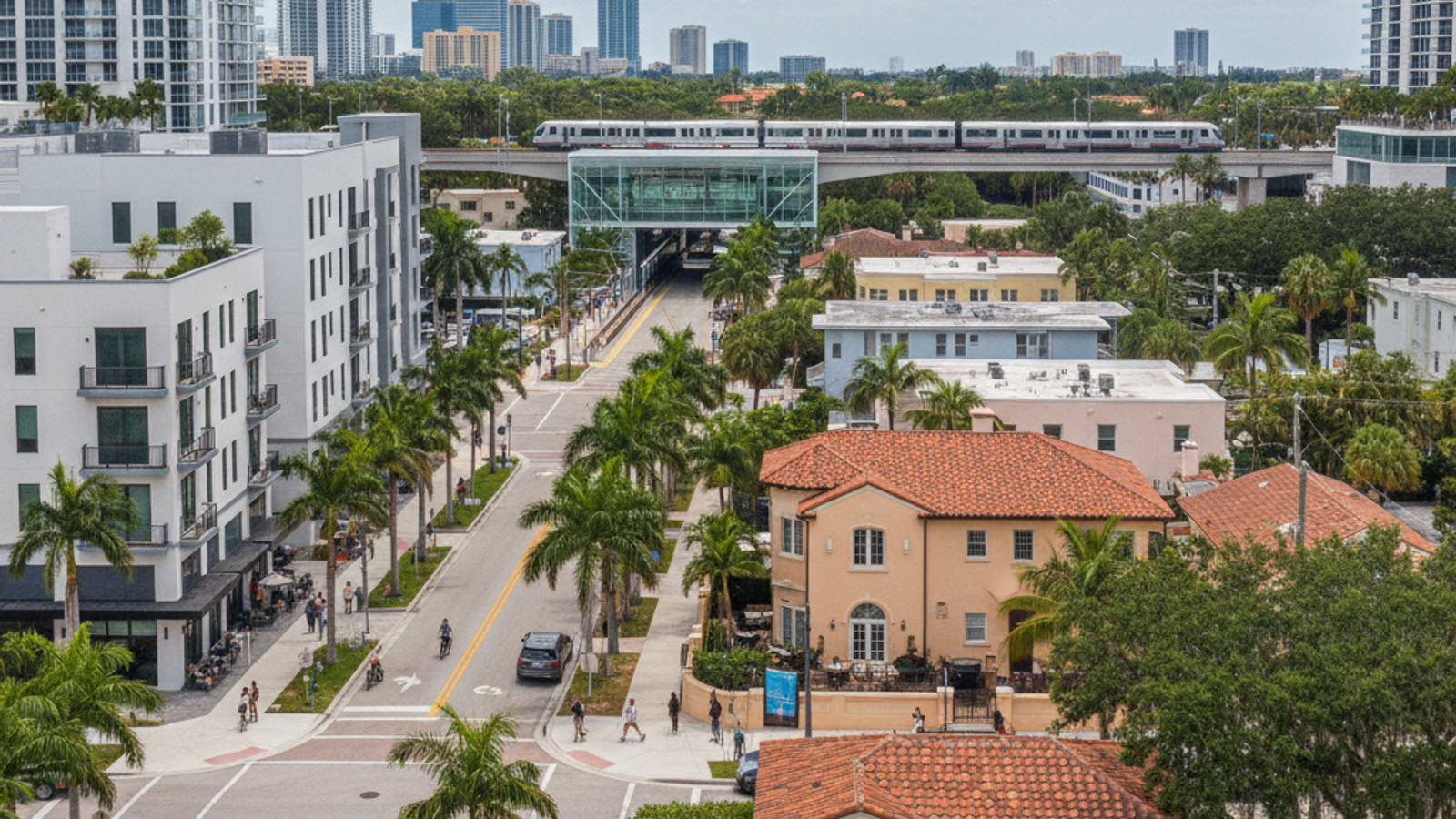
For broader regional connectivity, the Brightline train station in downtown Fort Lauderdale has transformed how residents travel along the coast. Commuting to major employment hubs is highly efficient, with the high-speed train to Miami taking approximately 38 minutes during peak hours.
Drivers utilizing the I-95 corridor experience standard urban traffic dynamics, making transit alternatives highly valuable. Proximity to these major transit arteries is a crucial factor when selecting a property location.
Employment and the Local Job Market
The economic foundation of Broward County relies heavily on the marine, tourism, and aviation industries. Fort Lauderdale supports a massive maritime economy, drawing marine engineers, yacht brokers, and hospitality professionals to the region.
The local healthcare sector is another major economic driver, anchored by expansive facilities like the Broward Health Medical Center. Furthermore, the rise of remote work and improved regional transit have allowed residents to tap into the broader South Florida job market without relocating.
Community Amenities and Outdoor Recreation
Fort Lauderdale is widely known as the Venice of America due to its extensive 165 miles of navigable canals. This unique geography integrates water-based activities directly into daily life, making boating, kayaking, and paddleboarding standard weekend pursuits.
Beyond the immediate coastline, the region offers incredible access to diverse natural environments. Residents are just a short drive from the Everglades, providing opportunities for broader outdoor exploration and wildlife observation.
Beaches and State Parks
Fort Lauderdale Beach serves as the primary coastal destination, featuring wide stretches of sand and a prominent beachfront promenade. Nearby coastal access points in Lauderdale-by-the-Sea and Hollywood Beach offer additional options for ocean swimming and snorkeling.
For those seeking shaded green spaces, Hugh Taylor Birch State Park provides a natural oasis right off the beach. The park features hiking trails, freshwater lagoons for kayaking, and dedicated picnic areas under a native canopy.
Arts, Culture, and Dining
The commercial heart of the city beats along Las Olas Boulevard, a premier district known for its eclectic dining and retail options. This corridor connects the downtown business district directly to the waterfront, featuring a thriving local craft beer scene and numerous highly rated restaurants.
Cultural engagement is easily accessible through major institutions located along the scenic Riverwalk. The Broward Center for the Performing Arts hosts national theatrical tours, while the Museum of Discovery and Science offers interactive exhibits for all ages.
Broward County Public Schools and Higher Education
The educational landscape in Fort Lauderdale is primarily managed by the Broward County Public Schools district. As one of the largest public education providers in the state, the district oversees numerous facilities across the city and surrounding areas.
Students have access to a variety of magnet programs and specialized academies that focus on specific academic and career tracks. For higher education, local residents are served by established institutions like Broward College and Nova Southeastern University, which offer extensive degree programs.
Frequently Asked Questions About Living in Fort Lauderdale
Is it expensive to live in Fort Lauderdale, Florida?
The cost of living in Fort Lauderdale sits about 16% to 25% higher than the national average, driven largely by housing expenses. However, residents benefit from having no state income tax, which helps offset the higher costs of real estate and groceries.
What is the weather like in Fort Lauderdale?
The city experiences a tropical climate with warm, dry winters and hot, humid summers. Residents must also prepare for the Atlantic hurricane season, which runs from June through November each year.
How do Fort Lauderdale and Miami compare for commuting?
Fort Lauderdale offers a slightly less congested driving experience than Miami, though I-95 traffic remains heavy during peak hours. The Brightline high-speed train connects downtown Fort Lauderdale to Miami in just 38 minutes, making regional commuting highly efficient.