Navigating South Florida requires a solid understanding of the local infrastructure, especially as the region continues to grow. Whether you are relocating to Broward County or simply exploring the coast, getting around Fort Lauderdale FL involves a dynamic mix of highways, commuter rails, and waterway networks. Understanding these options is essential for planning daily commutes and weekend outings across the area.
The city has invested heavily in modernizing its transit grid to offer alternatives to traditional driving. From high-speed trains connecting major metropolitan hubs to free neighborhood shuttles and iconic water taxis, the transportation landscape in 2026 is highly integrated. Relying solely on a personal vehicle is no longer a strict requirement for navigating the urban core and surrounding beaches.
Navigating Fort Lauderdale by Car
The primary vehicular arteries shaping the local commute include Interstate 95, Interstate 595, and US Highway 1. These major highways serve as the backbone for regional travel, seamlessly connecting local neighborhoods to surrounding municipalities across Broward County. Driving remains the default choice for many residents, particularly those commuting to suburban employment centers or traveling the roughly 30 miles south to downtown Miami.
Accessing the Fort Lauderdale-Hollywood International Airport (FLL) is exceptionally straightforward for local drivers. The airport is typically a 10 to 20-minute drive from downtown Fort Lauderdale, depending on your exact starting point and the chosen route. Having such close proximity to a major international hub is a significant advantage for frequent travelers and relocating buyers.
Average Commute Times and Peak Hours
Standard peak traffic hours in the area run from 7:00 AM to 9:00 AM and again from 4:00 PM to 6:30 PM. During these windows, traffic congestion heavily impacts travel speeds on both I-95 and US-1, requiring drivers to plan for extended travel times. The baseline average daily commute time for a typical resident hovers around 26 to 28 minutes one-way.
Winter months bring an influx of tourism and seasonal residents, which can incrementally extend local travel times across all major routes. Buyers evaluating properties should always test their anticipated commute during these peak seasonal windows to get an accurate picture of daily driving conditions.
Public Transit Options in Fort Lauderdale
The public transportation framework in Broward County provides a robust alternative to navigating dense highway traffic. City planners have prioritized expanding transit options to alleviate road congestion and offer residents more flexible commuting methods. These services range from traditional county-wide bus systems to highly localized neighborhood shuttles.
Utilizing public transit can significantly reduce daily transportation costs while minimizing the stress of parking in busy commercial districts. The current 2026 operations feature modernized fleets and real-time tracking applications that make route planning highly predictable. For those looking to minimize their reliance on a personal vehicle, these networks provide comprehensive coverage across the city grid.
Broward County Transit (BCT)
The Broward County Transit bus system connects Fort Lauderdale to neighboring cities like Oakland Park, Pompano Beach, and Hollywood. This expansive network serves as the primary public transit lifeline for daily commuters traveling across the county. Riders can also utilize seamless transfer connections to Miami-Dade Transit and Palm Tran for broader regional travel.
Affordability is a major draw for the BCT network, making it an accessible option for daily riders. The standard one-way fare sits at approximately $2.00, with various pass options available for frequent commuters. The system operates numerous routes with high-frequency stops along major commercial corridors like Broward Boulevard and Federal Highway.
LauderGO! Community Shuttle and Micro Mover
The LauderGO! Community Shuttle network offers free local transportation across five distinct routes, including the popular Beach Link and Las Olas Link. Formerly known as the Sun Trolley, this service connects major retail districts, public parks, and the beachfront without the hassle of parking. It is an excellent resource for running local errands or enjoying a weekend outing.
In addition to the shuttles, the city provides the Micro Mover service, an eco-friendly transportation option powered by Circuit. Passengers can request a free ride and track the electric fleet in real-time using the Ride Circuit app on their smartphones. This on-demand service bridges the gap between major transit hubs and final destinations within the downtown core.
Regional Rail Commuting Options
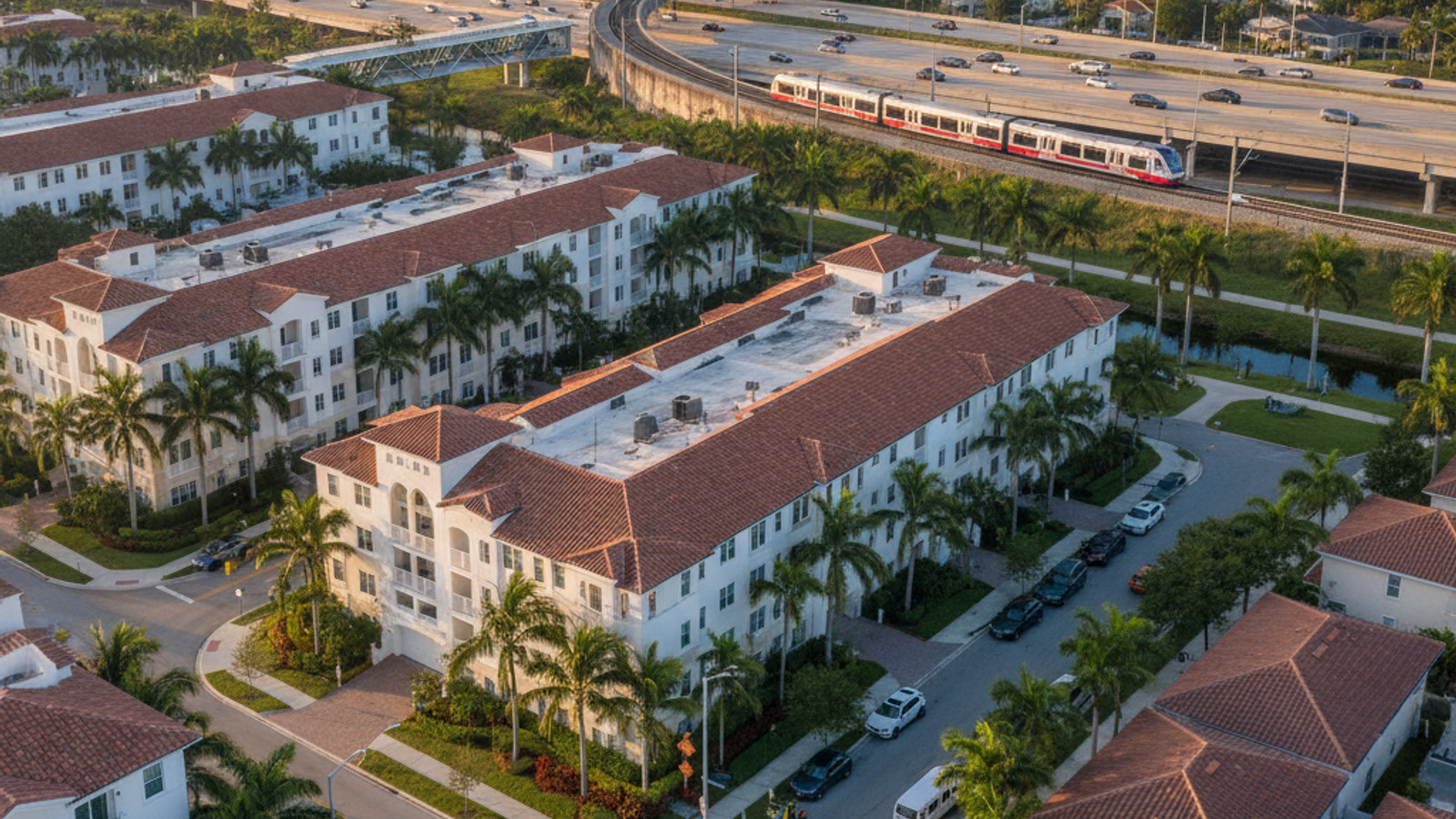
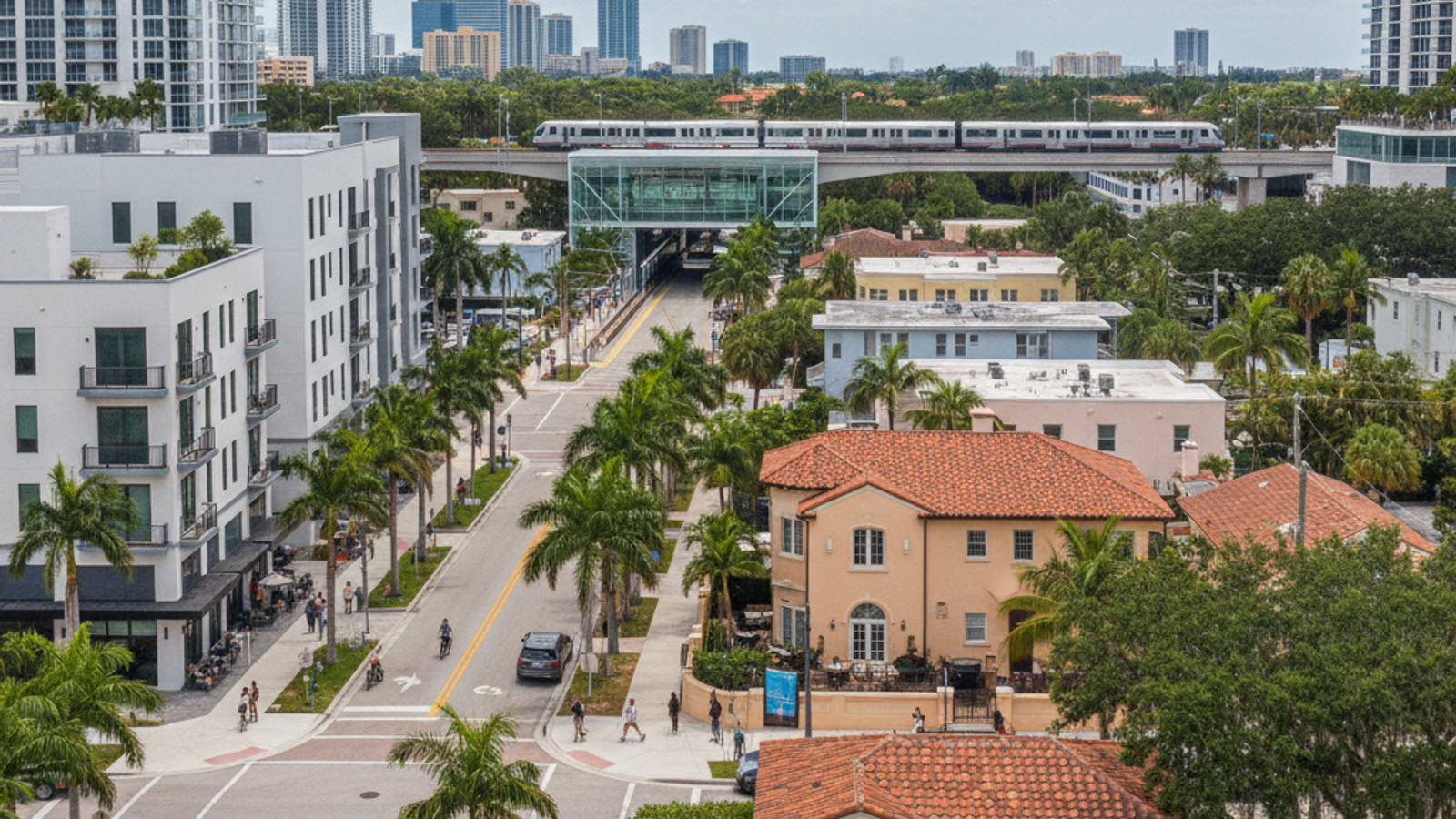
South Florida is serviced by two main rail systems running north to south, transforming how residents travel across the Miami metropolitan area. The growing convenience of commuter rail provides a highly efficient alternative to highway driving, particularly during peak rush hours. These trains offer predictable schedules that bypass the unpredictable nature of Interstate 95 traffic.
Local train stations serve as central hubs for onward ground transport, featuring dedicated pickup zones for ride-sharing and local shuttles. Real estate situated near these transit centers often commands a premium due to the enhanced mobility it offers. Whether commuting for work or leisure, the rail network is a cornerstone of modern South Florida living.
Brightline High-Speed Rail
The Brightline station in downtown Fort Lauderdale features modern amenities, comfortable lounges, and a streamlined boarding process. This high-speed rail service delivers a premium passenger experience with rapid travel times to Miami, West Palm Beach, Boca Raton, and Orlando. A typical trip from Fort Lauderdale to Miami takes approximately 30 minutes, making it highly attractive for cross-county commuters.
Beyond its speed and comfort, the system operates on an eco-friendly transit model that appeals to environmentally conscious passengers. The downtown station integrates perfectly with local micro-mobility options, allowing riders to step off the train and immediately access the central business district. It represents the fastest and most luxurious way to navigate the eastern Florida corridor.
Tri-Rail Commuter Train
Tri-Rail serves as the primary traditional commuter rail line, running parallel to I-95 across 18 stations in Miami-Dade, Broward, and Palm Beach counties. It is frequently the most affordable transit option for long-distance daily commuters requiring reliable regional access. The system is heavily utilized by residents traveling to major employment centers across the tri-county area.
One of the standout features of Tri-Rail is its direct utility for accessing Miami International Airport (MIA) and Palm Beach County. Dedicated shuttle buses connect the Fort Lauderdale station directly to the FLL airport, ensuring seamless transit for travelers. For buyers prioritizing budget-friendly regional mobility, proximity to a Tri-Rail station is a major logistical advantage.
Water Taxis and the Intracoastal
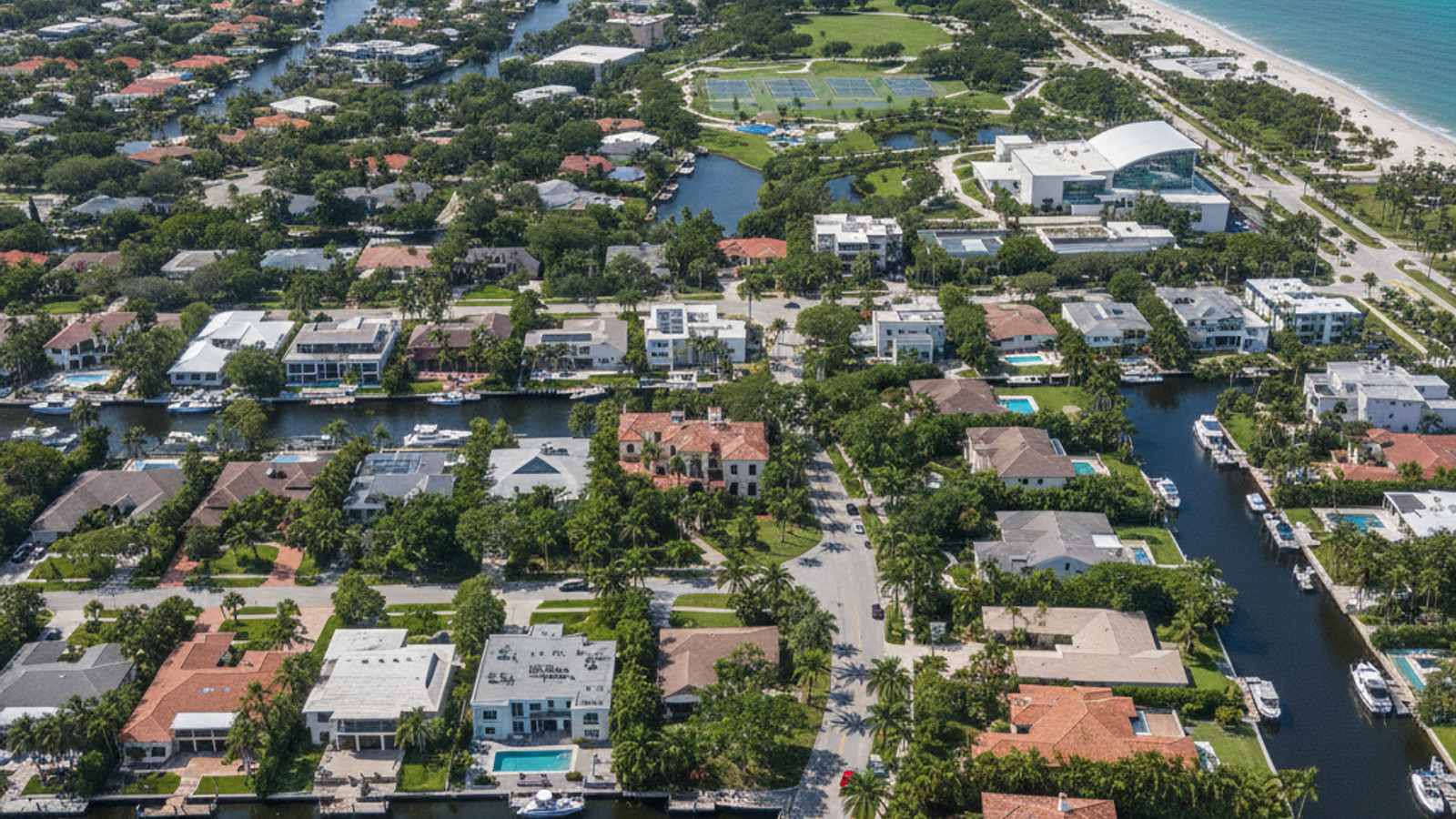
Fort Lauderdale features over 300 miles of inland waterways, earning it a reputation as a premier boating destination. Getting around via this extensive waterway system is not just a novelty; it is a practical transit alternative for navigating the coastal neighborhoods. The waterways provide a scenic, traffic-free route connecting residential areas to major commercial districts.
The local water transportation network offers dual functionality, serving both residents navigating the city and tourists enjoying sightseeing excursions. For those traveling along the New River, the city operates a free Water Trolley service that connects downtown districts. Embracing the maritime infrastructure is a defining characteristic of living in this coastal community.
Fort Lauderdale Water Taxi Routes
The core water taxi system features over 10 primary stops connecting the mainland commercial districts directly to the beach. Riders can purchase an all-day pass, which allows for convenient hop-on, hop-off transit throughout the operating hours. Passengers frequently use the online Boat Tracker to monitor vessel locations for precise real-time schedule planning.
Navigating the primary water taxi stops provides direct access to some of the most prominent waterfront destinations in the area. Key high-traffic boarding locations include:
- Las Olas Boulevard for upscale dining and retail access.
- 15th Street Fisheries, a popular waterfront culinary destination.
- Hollywood Beach, offering expansive oceanfront promenades.
Walkability and Biking Infrastructure
Central districts like downtown and the beachfront feature highly developed pedestrian infrastructure that supports a car-free lifestyle. Specific accessible areas like the Riverwalk and Hugh Taylor Birch State Park offer miles of paved, scenic pathways. The city continues to invest in ongoing mobility projects designed to add wider sidewalks and protected bike lanes throughout the urban core.
For short urban trips, residents can easily utilize local bike share programs such as Broward BCycle. These rental stations are strategically placed near major transit hubs, public parks, and retail centers. The combination of flat terrain and continuous infrastructure improvements makes cycling a highly viable option for daily local errands.
Ride-Hailing and Traditional Taxis
On-demand ground transportation options remain a crucial component of the local transit ecosystem. Ride-hailing services like Uber and Lyft boast widespread availability throughout Broward County, with wait times typically under five minutes in central areas. These ride services offer unmatched convenience for late-night travel or direct point-to-point transit when public options are unavailable.
Requesting a ride from downtown Fort Lauderdale to the FLL airport is typically a quick 10 to 15-minute trip via ride-hailing apps. Additionally, traditional taxi stands remain accessible and highly visible at major hotels, the airport terminals, and regional transit centers. Having multiple on-demand vehicle options ensures that residents are never stranded, regardless of the hour.
Frequently Asked Questions
How do you get around Fort Lauderdale without a car?
Residents can easily navigate the city using a combination of the LauderGO! shuttles, Broward County Transit buses, and the regional rail systems. The downtown core and beachfront are well-connected by free micro-movers and pedestrian-friendly pathways. Combining these public transit options with occasional ride-hailing makes living without a vehicle entirely practical.
Is there free transportation in Fort Lauderdale?
Yes, the city offers several complimentary transit options to help reduce local traffic congestion. The LauderGO! Community Shuttle operates five free routes, while the Micro Mover provides on-demand electric vehicle rides in central zones. Additionally, the Water Trolley offers free daily service across the New River.
Does Fort Lauderdale have hop-on hop-off buses?
While traditional double-decker tourist buses are less common, the city features a highly popular hop-on hop-off Water Taxi service. Riders can purchase a daily pass to transit between more than 10 stops connecting the mainland to the beaches. The local public bus system also functions with standard day passes for unlimited route transfers.
Is Fort Lauderdale a walkable city?
Walkability is excellent in concentrated central districts like Las Olas, the downtown Riverwalk, and the immediate beachfront promenades. These specific zones feature wide sidewalks, crosswalk infrastructure, and close proximity to daily amenities. However, navigating between distant neighborhoods or suburban areas generally requires access to a vehicle or public transit.