So What Do Boca HOAs Even Charge For?
Most Boca communities throw out a number somewhere between two hundred dollars and one thousand dollars a month. It looks random until you split it into buckets.
Pool, clubhouse, fitness room
Gatehouse, roving security, call boxes
Roof reserves in condo buildings
Master insurance on common walls
Landscaping, tree trimming, pest control
Trash, cable, bulk internet
Sidewalk, road, and elevator upkeep
Sounds reasonable. Until two things kick in: Florida insurance hikes and salt-air wear that chews through stucco faster than you can finish your cafecito. The line item labeled Reserve Study never seems big enough, and that is where trouble starts.
Condos, Townhomes, Single-Family: Three Very Different Animals
Condos
Average HOA fees in Boca Raton hover around five hundred to seven hundred a month in mid-rise buildings without lavish amenities. If your building has ocean views, valet, and towel service out by the pool, you will stare at four-figure checks. On the flip side, the fee often covers water, sewer, master insurance, roof, and exterior paint. You will not be patching stucco on the weekend.
Townhomes
Budget roughly three hundred to six hundred. You still get shared walls, sometimes a small yard, usually a gate. The association might cover your roof, or it might shrug and point to the bylaws. Read them. Twice.
Gated single-family homes
Fees swing wildly. I have neighbors paying one hundred fifty a month for a simple entrance fountain and some half-hearted landscaping. Drive ten minutes east and you will hit master-planned resorts asking eight hundred plus for tennis pros, pickleball tournaments, and a lazy river. The big gotcha here: roofs and exterior paint are yours alone, yet you are still paying for community goodies.
What the Brochure Says vs. Tuesday Night’s Board Meeting Reality
The brochure beams about “maintenance-free living.” Here is the messy truth:
- Landscaping looks pristine on move-in day. Six months later, the contractor is on invoice number ten and still trimming the same shrub.
- The gym has treadmills. Two work, one screams like a dying seagull.
- That “high-speed” internet? Good luck when every snowbird logs in at 7 PM.
- A line in the budget reads Contingency. No one can explain what it has paid for in three years.
Do not get me wrong. Plenty of Boca HOAs deliver exactly what they promise. The trick is figuring out which ones treat the budget like a business plan and which ones treat it like play money.
Why Fees Change Even When Nothing Looks Different
Special assessment. Two words that make every owner twitch. Maybe the roofing contractor found soaked decking. Maybe the insurance carrier bailed after a tropical storm. Maybe the elevator is so old it qualifies for Social Security. The board votes, a letter appears in your mailbox, and a five-digit bill follows.
Other drivers:
Insurance renewals. South Florida carriers keep bolting. Premiums go up, sometimes double. That flows straight into the next year’s budget.
Underfunded reserves. If the reserve study says a community needs two million by 2030 and there is eight hundred grand in the account, someone will make up the gap. That someone is you.
Deferred maintenance. Paint fades, balconies crack, asphalt alligator-skins. Push it off too long and the eventual fix hurts more.
Good Fees, Scary Fees, and the In-Between Zone
Good fees feel boring. The financials read like Grandma’s checkbook. Reserves show ten to twelve years of projected capital needs already stashed away. Meeting minutes reveal small, predictable increases. Owners rarely gripe about surprise costs in Facebook groups.
Scary fees sparkle on the surface and rot underneath. Common signs:
- Fees have been “frozen” for years. Sounds like savings. Really means costs got kicked down the road.
- Reserve fund ratio is under thirty percent of recommended.
- Insurance premium doubled last renewal and the board plugged the hole with a short-term loan.
- More than fifteen percent of owners are behind on dues.
- Ongoing litigation with a contractor or a previous board.
Everything else falls in the mushy middle. Not a deal breaker, not a slam dunk. You need to dig.
How to Pop the Hood Before You Write the Offer
Ask your agent to request:
- The current year operating budget and the two most recent.
- Reserve study summary and balance sheet.
- Year-to-date delinquency report.
- Meeting minutes for at least the last three sessions.
- Insurance declaration pages for property, liability, and fidelity bond.
- The full set of covenants, rules, and any amendments.
- A list of planned capital projects.
While reading, flag these questions:
- Are reserves at least seventy percent funded?
- Has the board talked about roof replacement, repainting, or road resurfacing?
- When was the last insurance claim, and what was it?
- Do vendor contracts auto-renew at big jumps in price?
- How often have dues increased in the last five years?
- What percentage of units are investor owned? Lenders start sweating above fifty.
If you hate paperwork, hire a specialized HOA review company. Two hundred bucks can save you twenty grand later.
Crunching the Numbers: HOA Life vs. DIY Life in Palm Beach County
Picture a fee of six hundred a month. Ouch. Now list what you would pay alone in a non-HOA house.
- Roof replacement amortized monthly: two hundred
- Exterior painting every seven years: eighty
- Lawn care, sprinkler fixes, tree trimming: one hundred fifty
- Trash, recycling, bulk pickup: forty
- Community pool at the local gym: sixty
- Exterior insurance on shared walls: cannot buy it solo
Add it up and six hundred looks less outrageous. Of course you could mow your own lawn and shop for deals on shingles, but many buyers in Boca trade that hassle for sun-soaked weekends at the beach.
Tip: Compare apples to apples. If a condo fee covers water, sewer, and cable plus all exterior repairs, compare it against a single-family home’s combined utility and maintenance stack. Only then decide whether the fee is fat.
Red Flags You Can Spot With One Walk-Through
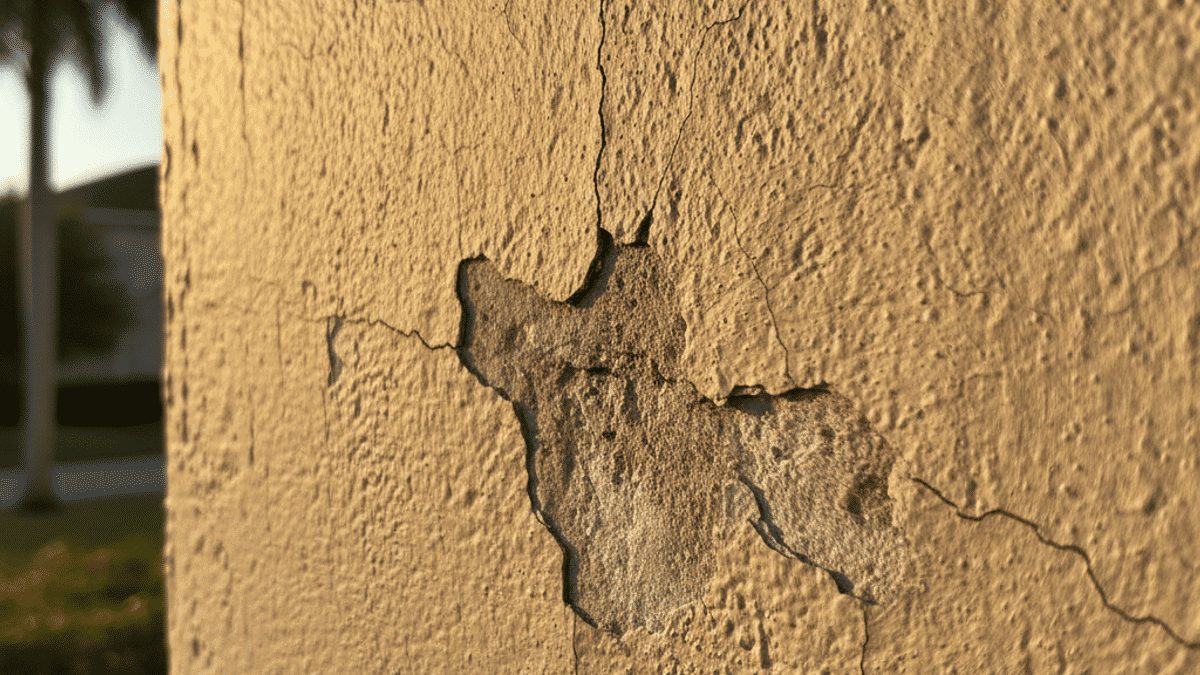
Cracked stucco around windows.
Bubbled paint on balcony rails.
Empty pool deck loungers because cushions look like 1998.
Hallway carpet stains that repeat every other floor.
Sluggish entry gate with a cardboard “Tap Here” sign over the keypad.
A management company name you cannot find good reviews on.
If the visible stuff looks tired, imagine the invisible systems.
The Small-Town Drama Test
Attend one board meeting. Sit in the back. Do owners yell about late landscaping or accuse the treasurer of cooking the books? A meeting that runs like a city council session — motions, votes, quick business — usually reflects adult leadership. One that devolves into neighbor feuds often bleeds money.
Lifestyle Rules That Surprise New Buyers
Parking. Some condos ban pickup trucks entirely.
Rentals. A few buildings require two years of ownership before leasing.
Pets. Weight limits, breed lists, or total ban.
Renovations. Need board approval for tile noise abatement or even light fixtures.
Quiet hours. Yes, there are communities where you cannot use a blender at dawn.
You may laugh now, but violation fines stack up fast.
Surviving Your First Special Assessment
If you get the dreaded letter:
- Read the engineer report behind the project. Understand scope.
- Ask if the board shopped multiple bids.
- See whether payment plans or bank financing exist.
- Vote, if you are within the notice window.
- Check whether your homeowner insurance offers Loss Assessment coverage. Many policies include ten thousand that can soften the punch.
Then breathe. Every building eventually needs big work. A well-timed assessment can be healthier than forever inflating dues.
When Low Fees Are Actually a Trap
Buyers love a one hundred seventy-five dollar condo fee. Here is what might be missing:
- Flood coverage on first floor units
- Hurricane deductible buy-down
- Interior sprinkler upgrades now required by code
- Fund for elevator modernization coming due in three years
Low today, steep tomorrow. Always look at the long horizon.
Good Signs That Rarely Make the Marketing Sheet
- Newsletters that show side-by-side shots of completed projects with costs listed.
- Emergency fund equal to at least three months of expenses outside reserves.
- Annual audit by a CPA, not just a compilation.
- A calendar for power washing, paint, and pool resurfacing posted online.
- Board seats filled with staggered terms, limiting power blocks.
Communities that share data freely rarely hide big issues.
Are HOA Fees Worth It in Boca Raton?
If you crave lock-and-leave living, hate mowing, and value a predictable budget, a fair HOA fee can feel like money well spent. Toss in resort pools and social events and you might never look back.
If you enjoy weekend projects, own a pickup, or want zero rules about flooring material, a no-HOA neighborhood could fit better. Just budget for a new roof and brace for insurance quotes that would make a condo owner blush.
There is no universal answer. Only math plus lifestyle preference.
Ready to Keep Digging?
Grab that budget. Run the reserve percentages. Walk the hallways. Chat with two random residents. Then decide whether those Boca Raton HOA fees are sunshine or storm clouds.
Because writing the check is the easy part. Knowing why you are writing it separates the savvy owners from the shocked ones.