Navigating the Fort Lauderdale FL Housing Market in 2026: A Buyer and Seller Guide
The Fort Lauderdale FL housing market has undergone a noticeable transformation this year, offering new opportunities for those looking to buy or sell in South Florida. After several years of rapid price escalation and intense buyer competition, the landscape has stabilized into a much more balanced environment. Buyers are finally seeing a reprieve from the frantic bidding wars that defined the early part of the decade.
Understanding these local market dynamics is essential for anyone planning a move in 2026. Whether you are evaluating a waterfront property or exploring inland neighborhoods, having a clear picture of current property values and supply trends will dictate your negotiating strategy. The shift in inventory levels means that preparation and realistic pricing are the keys to a successful real estate transaction today.
Navigating this terrain requires an objective look at both the advantages and the ongoing costs associated with property ownership. Armed with accurate data, you can make informed decisions that align with your long-term financial goals. This comprehensive overview will detail exactly what buyers and sellers need to know to succeed in the current climate.
2026 Market Conditions and Trends in Fort Lauderdale
The current real estate environment in Fort Lauderdale reflects a clear transition toward a buyer’s market. Single-family homes are currently sitting at approximately 4.8 months of supply, which provides a much healthier equilibrium between buyers and sellers. This increased inventory translates directly into better negotiating leverage for those looking to purchase a property.
Sellers can no longer rely on the sheer scarcity of homes to drive up asking prices. Buyers should absolutely capitalize on these longer listing times to avoid bidding wars and thoroughly inspect properties before committing. Taking the time to negotiate favorable terms is the smartest move a buyer can make in today’s climate.
Median Listing Prices and Housing Inventory
As we progress through early 2026, the overall median home price in Fort Lauderdale hovers around $580,000 to $619,000. This pricing reflects a broader year-over-year adjustment as available housing inventory and new listings have steadily increased. The influx of homes for sale has effectively cooled the rapid price spikes seen in previous years.
For prospective buyers, this overall inventory increase provides significantly greater options and improved affordability. You have the breathing room to view multiple properties and weigh your choices without the pressure of an immediate deadline. This shift firmly places the purchasing power back into the hands of the buyer.
Sellers must adapt to this new reality by focusing on property presentation. Homes that are staged well and priced accurately from the beginning are the ones successfully closing. Ignoring these market signals will likely result in a stale listing.
Days on Market and Sale-to-List Price Ratios
Properties are taking longer to sell, with average days on market extending to roughly 92 to 105 days. This extended timeline gives buyers ample opportunity to arrange financing and conduct comprehensive appraisals without feeling rushed. It also signals to sellers that patience is a mandatory part of the process.
The current sale-to-list price ratio sits near 94%, meaning buyers are frequently securing discounts off the initial asking price. Sellers must set realistic asking prices from day one rather than expecting multiple immediate offers above the list price. Overpricing a home in this environment will simply result in it sitting stagnant on the market.
Buyers should approach negotiations with a clear understanding of their leverage. Requesting seller concessions for closing costs or minor repairs is highly appropriate right now. This strategy helps offset other expenses associated with the purchase.
Comparing Property Types and Neighborhood Costs
Fort Lauderdale offers a diverse range of property types, but the market dynamics differ drastically depending on what you want to buy. The single-family home sector maintains a relatively steady pace, holding closer to 4.8 months of supply. In contrast, the condominium market has experienced a massive surge in available units.
Condo buyers currently hold the ultimate upper hand in negotiations due to an excess inventory that stretches to nearly 11 months of supply. Inland single-family homes retain much steadier value and consistent demand from buyers looking for traditional lots. Understanding this stark contrast is vital when deciding where to allocate your real estate budget.
Waterfront Condominiums vs. Inland Single-Family Homes
Median condo prices currently sit around $450,000 to $460,000, presenting a lower barrier to entry than detached houses. However, recent South Florida condominium laws mandating fully funded HOA reserve funds have driven up supply and softened asking prices considerably. Many current condo owners are listing their units to avoid these impending assessment costs.
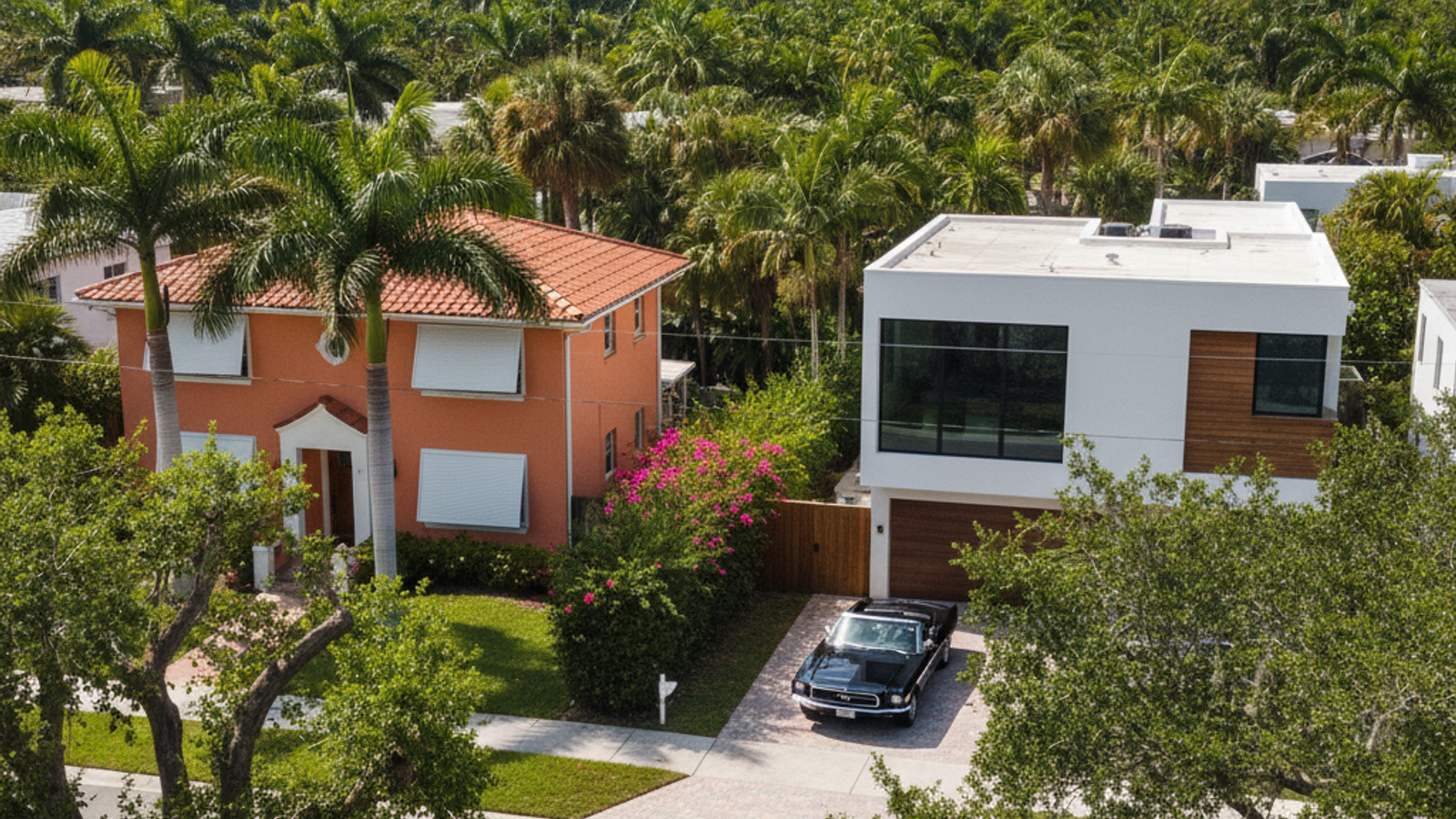
On the other hand, single-family homes frequently exceed a median price of $614,500. Neighborhoods like Tarpon River continue to see steady demand for these traditional inland properties. Buyers are often willing to pay a premium for the autonomy of a detached home without the burden of complex association rules.
The sheer volume of available condominiums means buyers can afford to be highly selective. Touring multiple buildings and comparing association financial health is a critical step. Rushing into a condo purchase without reviewing these documents is a major risk.
Exploring Newly Constructed Townhomes
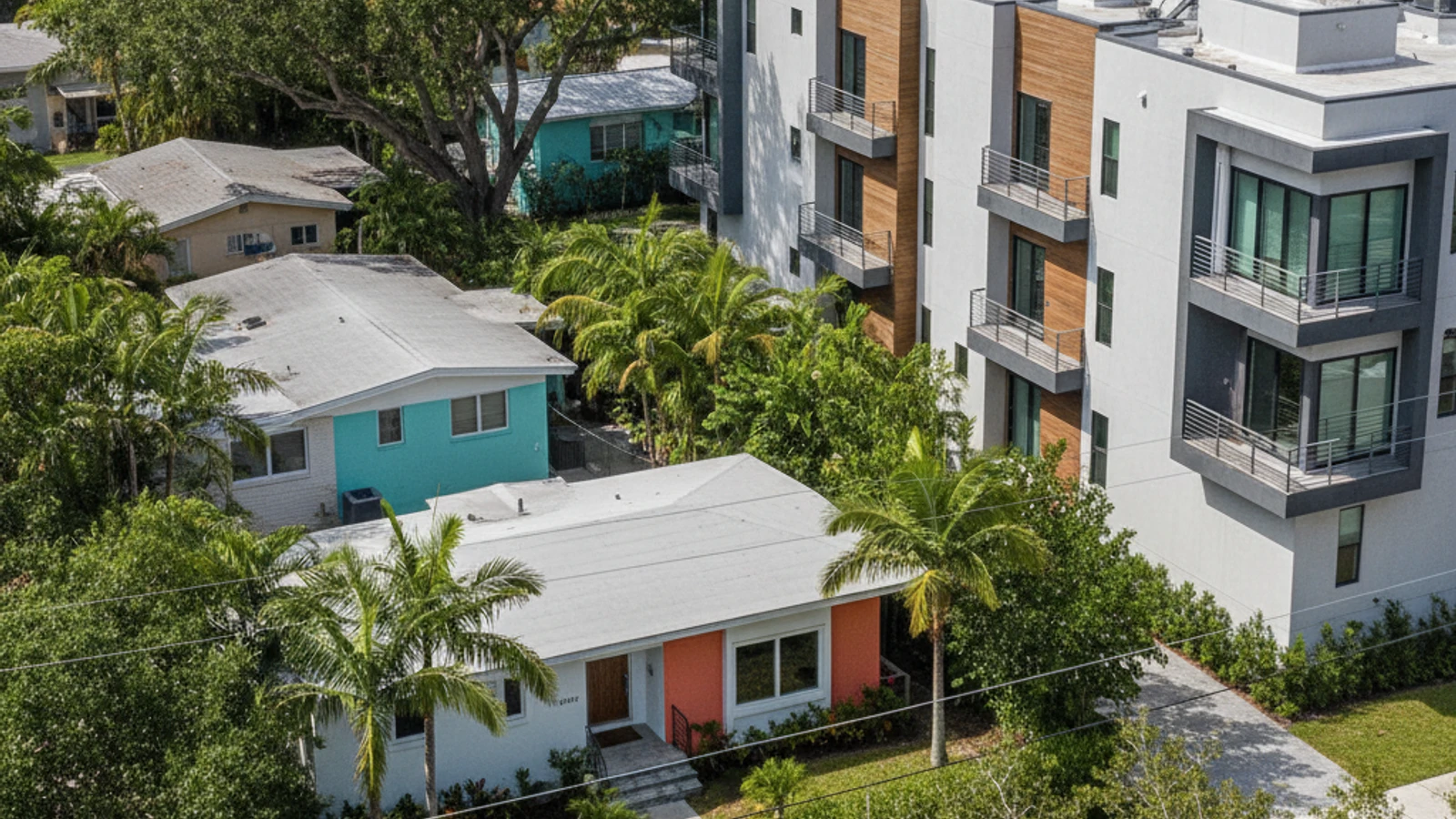
Newly built townhomes in areas like Flagler Village have emerged as a highly attractive middle-ground housing option. These properties offer modern amenities and updated building codes without the extreme insurance burden of an older single-family house. The typical price per square foot for these new builds is pushing into the $400 to $500 range.
Builder incentives on these townhomes currently make them an excellent prospect for buyers navigating a balanced market. Developers are frequently offering rate buydowns or covering closing costs to move their inventory. This makes new construction an incredibly competitive alternative to older, inland homes.
Many of these new developments also feature energy-efficient designs that appeal to modern buyers. Lower utility bills add another layer of long-term affordability to the equation. Exploring these communities early in your search can provide a helpful benchmark for property comparisons.
Broward County Taxes, Insurance, and Affordability
Evaluating the true cost of owning a home in South Florida requires looking far beyond the initial purchase price and mortgage rate. The broader financial reality includes significant ongoing expenses related to property taxes and climate risk. Buyers must calculate their total monthly obligations to get an accurate picture of affordability.
Overlooking these carrying costs is one of the most common mistakes new buyers make in this region. Factoring in local tax rates and the specific insurance requirements for coastal living is non-negotiable. A comprehensive market analysis should always include these recurring annual expenditures.
Property Tax Rates and Homeowner Costs
The effective property tax rate in Broward County averages between 0.94% and 1.1% of the assessed property value. It is important to note that a property’s assessed value often differs from its market value due to the Save Our Homes cap. This cap limits annual increases in assessed value for properties with a homestead exemption.
To put this into perspective, a typical $500,000 home might incur an annual property tax bill of approximately $5,500 before any exemptions are applied. Buyers should always verify the current taxes and understand that the taxable value will reset upon the sale of the property. Planning for this reassessment prevents unexpected financial strain during your first year of ownership.
First-time buyers must budget carefully for this specific expense. Consulting with a local tax professional can clarify how these rates apply to your unique financial situation. Preparation is the best defense against unexpected ownership costs.
HOA Fees and Navigating High Insurance Rates
The ongoing Florida insurance crisis continues to impact affordability, with premiums frequently ranging from $7,000 to $12,000 annually for older or coastal properties. Alongside these insurance costs, HOA fees have risen sharply due to new state mandates requiring fully funded reserves for condominiums. These combined expenses can drastically alter your monthly budget.
Buyers must be proactive when evaluating these risks during the escrow period. Requesting insurance claim histories and wind mitigation reports before making an offer is essential. These documents will give you a clear understanding of the property’s condition and help you secure the most accurate insurance quotes.
Partnering with an experienced local agent is invaluable when navigating these specific hurdles. They can connect you with reputable insurance brokers who understand the nuances of the coastal market. Gathering this information early prevents delays during the closing process.
Commute Times, Local Amenities, and Infrastructure
Fort Lauderdale boasts a strategic geographic position nestled directly between Miami and Palm Beach. This central location makes it a highly practical base for those who commute across the broader South Florida region. Ongoing infrastructure investments continue to bolster property values and improve the daily experience for residents.
When evaluating long-term real estate investments, proximity to major transit hubs will consistently outpace ocean views in terms of reliable return on investment. Efficient commute options and strong local infrastructure are permanent assets that insulate property values against market fluctuations. Buyers should prioritize connectivity just as highly as square footage.
Connectivity to Miami and Major Highways
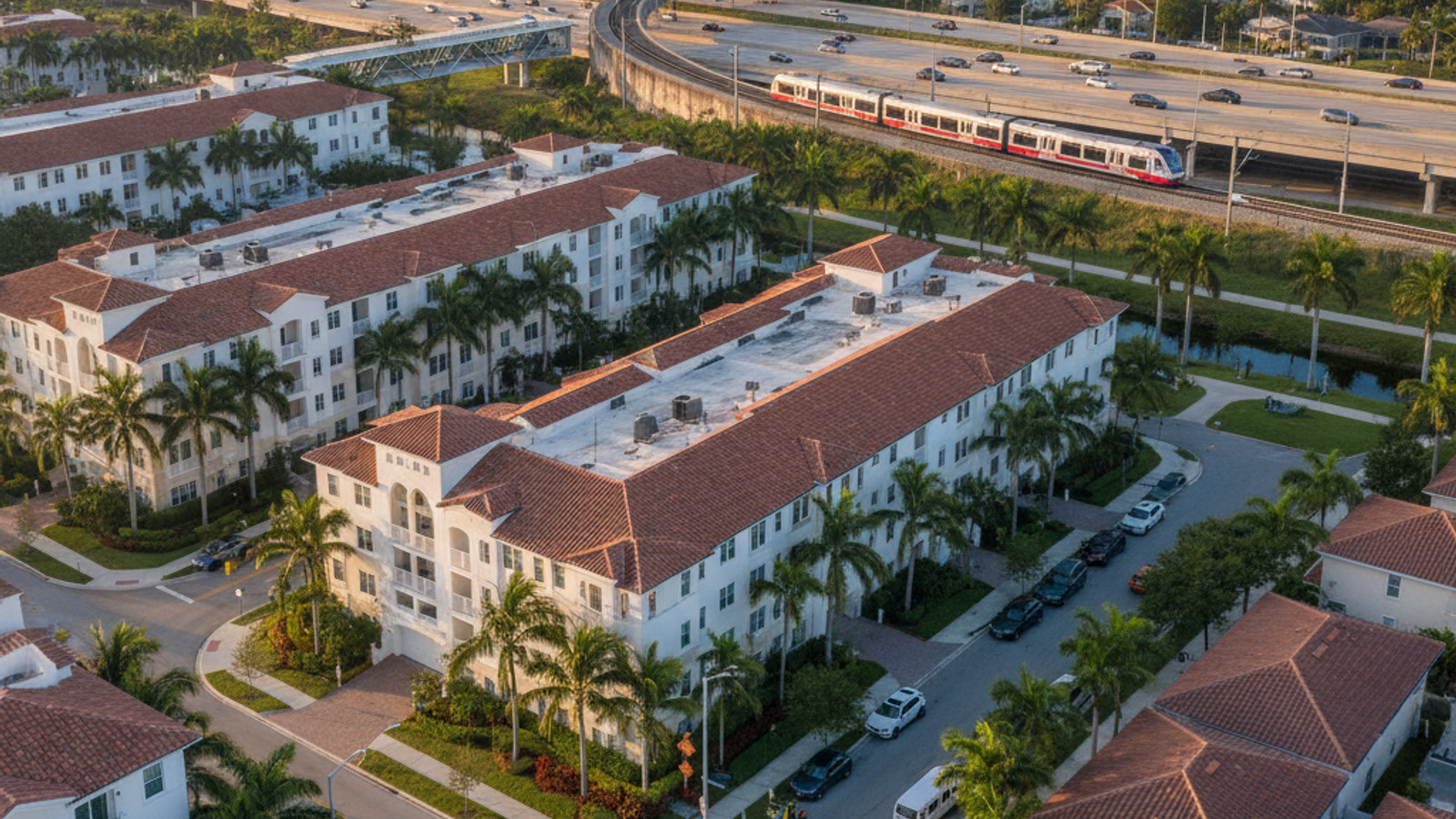
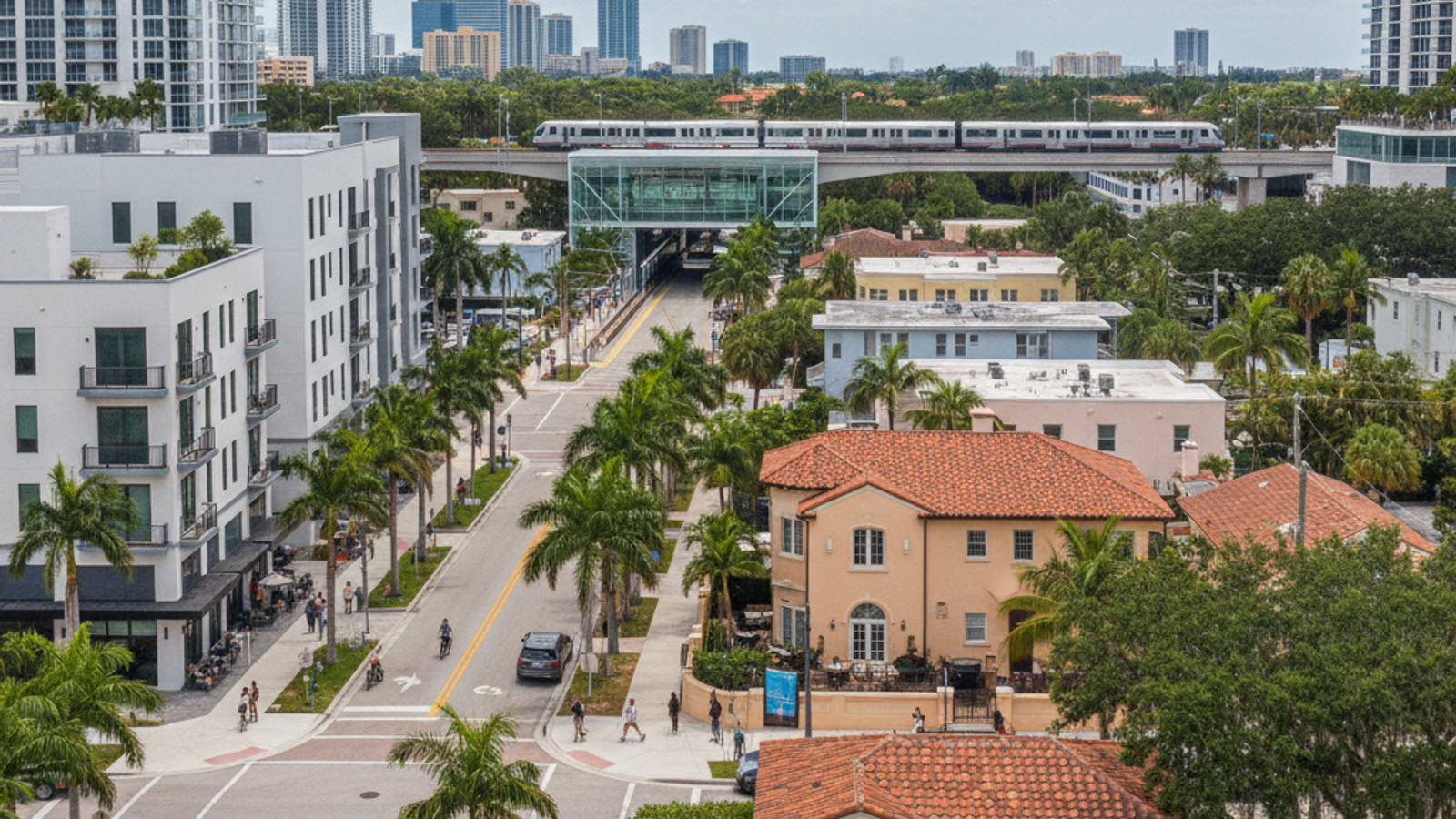
Regional transit options have significantly improved, highlighted by the approximately 30-minute commute to Miami via the Brightline high-speed rail. This service provides a seamless alternative to driving for daily commuters. Additionally, immediate access to major highways like I-95 and I-595 ensures efficient travel throughout the county.
For frequent travelers, the Fort Lauderdale-Hollywood International Airport sits less than 5 miles from the downtown center. This exceptional proximity is a major draw for out-of-state buyers and frequent commuters. The convenience of having a major international hub just minutes away cannot be overstated.
This robust transportation network supports a consistent influx of new residents to the area. Commuters appreciate the ability to bypass heavy highway traffic during peak hours. The resulting convenience directly supports the long-term stability of local property values.
Schools, Parks, and Community Features
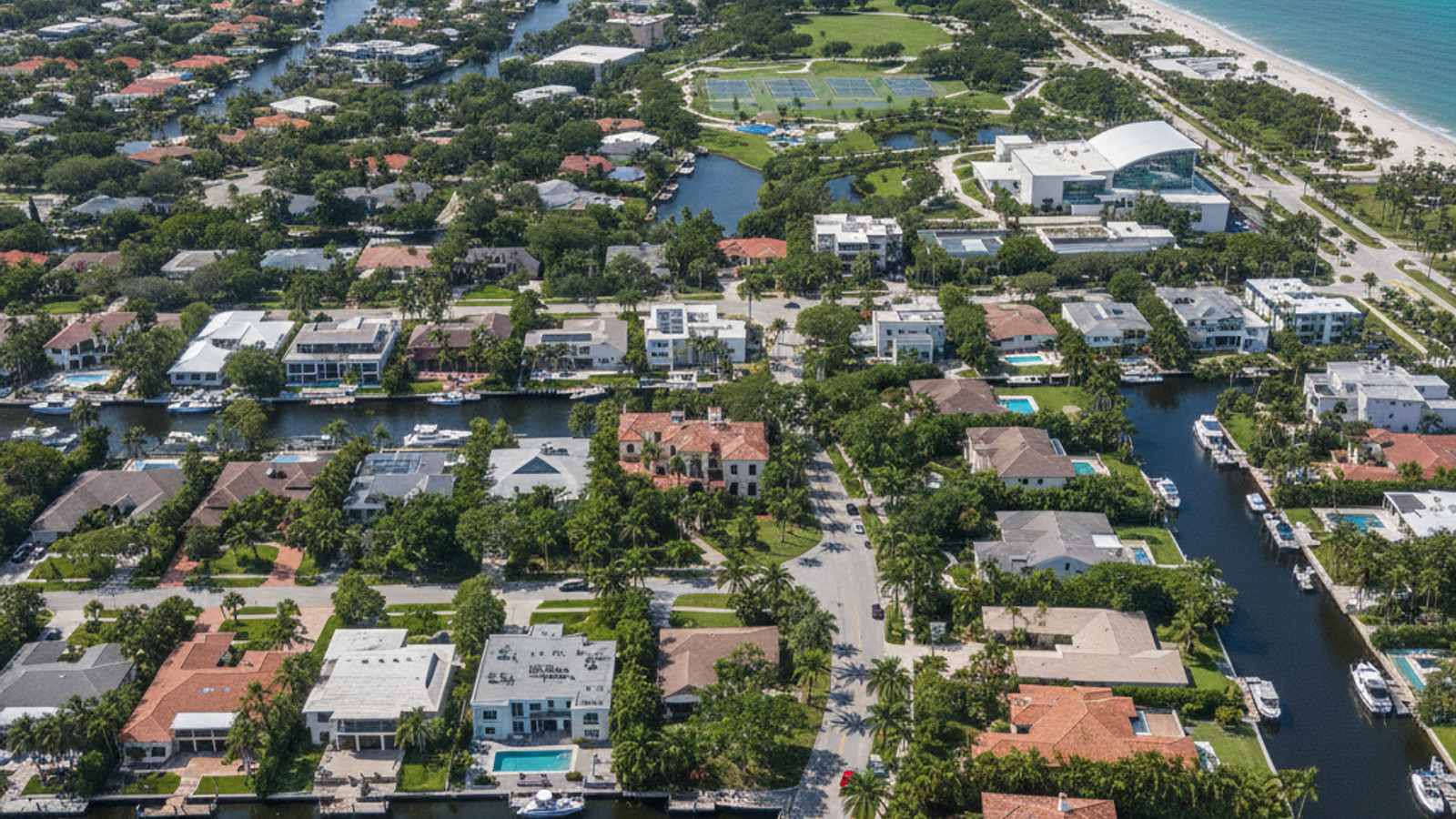
The area offers a wealth of objective lifestyle features, including direct access to Fort Lauderdale Beach and the expansive recreational spaces at Holiday Park. The vibrant commercial corridor along Las Olas Boulevard provides extensive dining, retail, and entertainment options. These amenities form the core of the city’s appeal and support strong local property values.
Buyers evaluating the local education infrastructure should focus on objective performance data. It is highly recommended to verify GreatSchools ratings and review Broward County Public Schools zoning maps when selecting a property. Confirming these boundary lines during your initial search will streamline the buying process.
Exploring these neighborhoods in person provides the best perspective on what the area offers. Walking the local parks and visiting commercial districts helps solidify your decision. Objective research combined with on-the-ground experience ensures a confident purchase.
Frequently Asked Questions
Are homes selling in Fort Lauderdale right now?
Yes, homes are actively selling, though the pace has normalized compared to previous years. Properties currently average around 92 to 105 days on the market before closing. This steady movement indicates a healthy, balanced environment rather than a stagnant one.
Will the Fort Lauderdale housing market crash in 2026?
A sudden market crash is highly unlikely given the current economic indicators and steady demand. While inventory has increased to approximately 4.8 months of supply for single-family homes, this represents a stabilization rather than a collapse. Price corrections are occurring, but they are gradual and localized.
What credit score do I need to rent or buy in Fort Lauderdale?
Most local landlords require a minimum credit score of 650 to secure a standard rental lease. For prospective homebuyers, a score of 620 is typically the baseline for conventional financing, though 700 or higher secures the best mortgage rates. Strengthening your credit profile is crucial before entering this market.
When is the best time to sell a house in Fort Lauderdale?
The optimal time to list a property is typically during the late winter and early spring months. This window captures the highest volume of seasonal buyers looking to relocate before the summer heat arrives. Sellers who list during this period often benefit from increased visibility and slightly faster closing timelines.