Fort Lauderdale offers a distinct coastal lifestyle that merges expansive inland waterways with a robust downtown commercial center. Buyers looking at South Florida real estate often focus on immediate access to the Atlantic Ocean and the extensive canal system that defines the local geography. The area provides a dense concentration of cultural venues, outdoor recreation, and dining districts that cater to both seasonal visitors and full-time residents.
Understanding the layout of these local amenities is essential when evaluating different neighborhoods across the region. Proximity to the waterfront or the downtown arts district directly influences property values and daily commute patterns. Navigating the options for things to do in Fort Lauderdale, FL requires a clear look at the specific attractions and infrastructure that anchor the city.
The local housing market features a broad spectrum of property types, ranging from historic estates to modern high-rise condominiums. Access to boating infrastructure and walkable entertainment districts remains a primary focus for most buyers entering the market. Evaluating these recreational and cultural hubs provides essential context for making informed real estate decisions in Broward County.
Fort Lauderdale Cultural Events and Museums
The downtown core features a strong lineup of cultural institutions that draw regular attendance throughout the year. The Museum of Discovery and Science anchors the arts and science scene with rotating interactive exhibits and a massive IMAX theater. General admission in 2026 runs around $27, providing access to extensive displays covering Florida ecosystems and aerospace engineering.
Historic preservation also plays a significant role in the local cultural landscape across the downtown grid. The Stranahan House Museum, built in 1901, stands as the oldest surviving structure in Broward County and offers a look into the early trading post era. A few miles away, the Bonnet House Museum and Gardens preserves a 1920s estate surrounded by native barrier island habitats.
The Broward Center for the Performing Arts anchors the western edge of the downtown arts district. This major venue hosts Broadway touring productions, local symphony performances, and regional ballet companies. Properties located within a short walk of this performing arts hub benefit from the constant influx of evening entertainment options.
Having these cultural hubs integrated into the urban layout heavily influences the appeal of the surrounding real estate. Buyers looking at condos in the downtown core often prioritize walking distance to these specific museums and event spaces. Properties positioned within a half-mile of these historic sites consistently command premium pricing due to the immediate access to weekend entertainment.
The city also supports a rotating calendar of outdoor art festivals and live music events along the riverfront. These municipal events drive significant foot traffic into the commercial districts and support local retail operations. Residents benefit from a highly active cultural calendar that operates year-round without the seasonal closures seen in northern markets.
Outdoor Activities and Parks in Fort Lauderdale
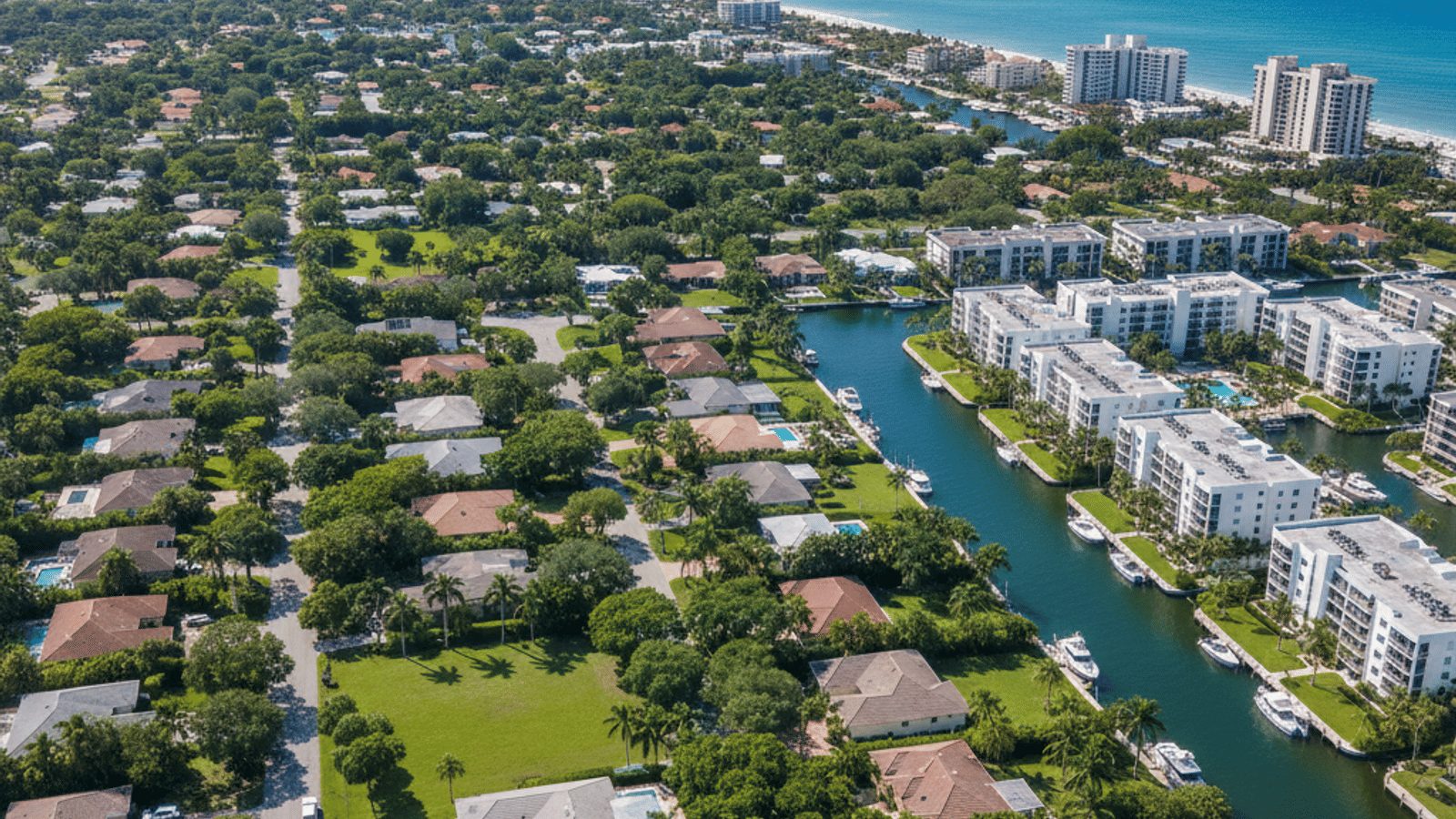
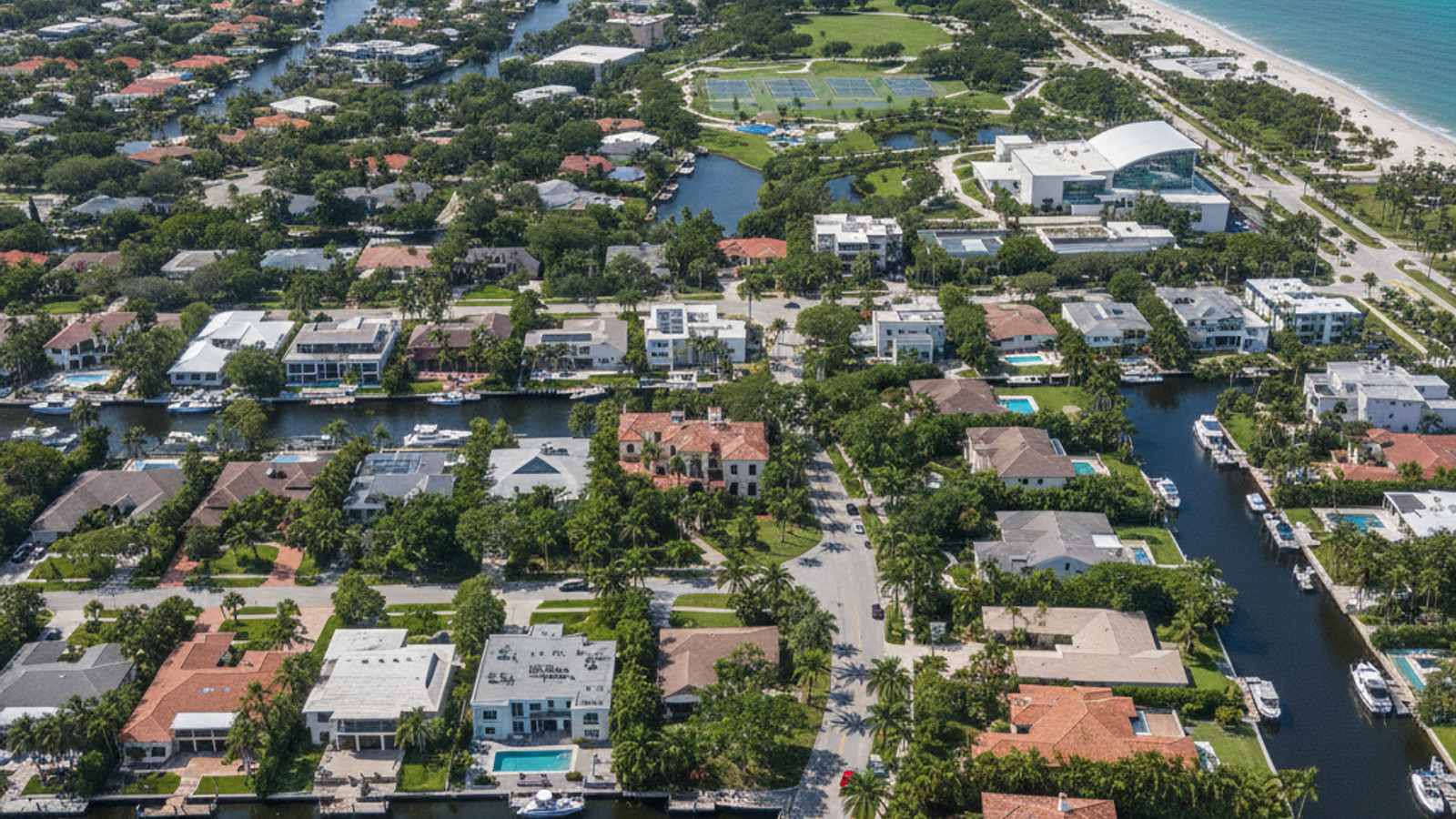
The city manages an extensive network of public green spaces and waterfront recreation zones. The defining feature of the region is the 300 miles of inland waterways that earned the area its title as the Venice of America. These canals dictate the layout of many residential neighborhoods and provide direct boating access to the Atlantic Ocean.
Municipal maintenance standards for these outdoor areas remain high, ensuring consistent public access to the water. Buyers prioritizing outdoor recreation often focus their property search on neighborhoods that offer deeded dock space or immediate proximity to public boat ramps. Access to these natural amenities is a primary driver for the local housing market and heavily dictates property valuations.
Inland nature reserves also provide critical green space amidst the dense coastal development. Facilities like Flamingo Gardens feature a 60-acre botanical garden and wildlife sanctuary that highlights native Florida flora and fauna. These inland parks offer a quiet alternative to the high-traffic coastal zones while maintaining excellent accessibility from the western suburbs.
Fort Lauderdale Beach and Waterways
The primary coastal attraction is the expansive beachfront promenade that stretches for approximately two miles along the Atlantic. This paved, pedestrian-friendly infrastructure separates the sand from the A1A highway, offering dedicated lanes for cycling and running. Waterfront condos lining this stretch provide residents with unobstructed ocean views and immediate beach access.
Inland navigation relies heavily on the canal system, where local water taxis and private gondola rides serve as functional transit options. These waterborne routes connect the beach districts directly to downtown commercial centers. Many waterfront properties include private dockage, allowing residents to bypass road traffic entirely when moving between neighborhoods.
Hugh Taylor Birch State Park
Situated between the Intracoastal Waterway and the Atlantic Ocean, Hugh Taylor Birch State Park covers 180 acres of preserved natural habitat. The park features paved bike loops, extensive hiking trails, and direct access to coastal dune lakes. Visitors and residents utilize the on-site facilities for kayak rentals and paddleboard launches into the calm inland waters.
The preserved mangrove ecosystems within the park offer a sharp contrast to the surrounding dense urban development. Real estate bordering the park boundaries benefits from protected views and immediate access to these sprawling trail systems. This green space serves as a vital recreational anchor for the northern beach neighborhoods.
Fort Lauderdale Dining and Entertainment Districts
The commercial heart of the city operates along Las Olas Boulevard, a major east-west corridor spanning roughly 15 city blocks. This district features a dense concentration of boutique retail shops, art galleries, and independent dining establishments. The street serves as the primary pedestrian thoroughfare connecting the central business district to the eastern waterfront neighborhoods.
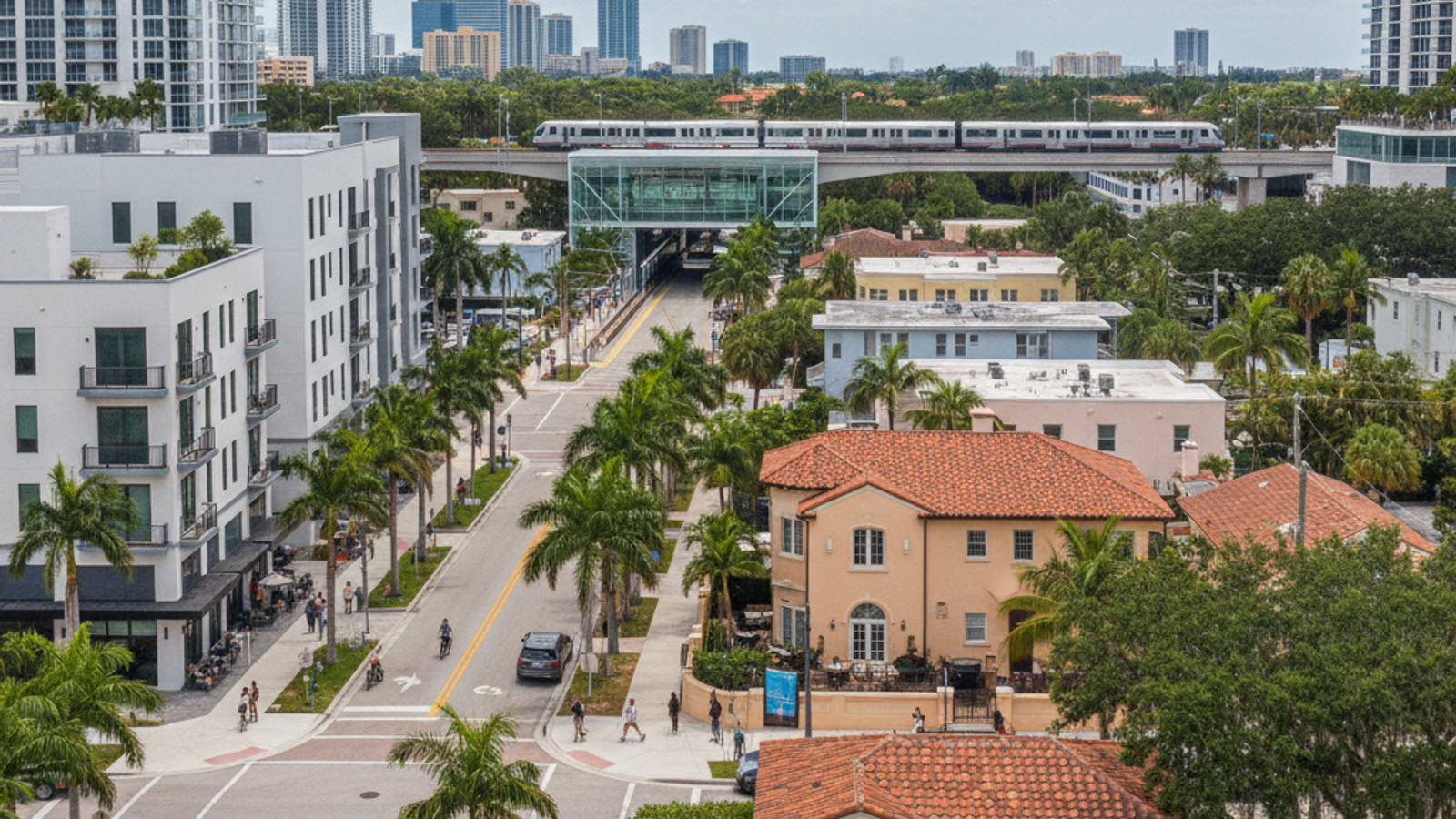
Further inland, the Riverwalk Arts and Entertainment District provides a paved public esplanade following the northern bank of the New River. This area connects major performing arts venues with outdoor plazas and waterfront dining options. The integration of public transit and walkable infrastructure makes this district a focal point for evening entertainment.
The dining scene extends beyond the primary downtown corridors into the emerging Flagler Village neighborhood. This former warehouse district now houses independent coffee roasters, craft breweries, and localized art galleries. Real estate investors often target this specific neighborhood due to its rapid commercial transition and proximity to the central business district.
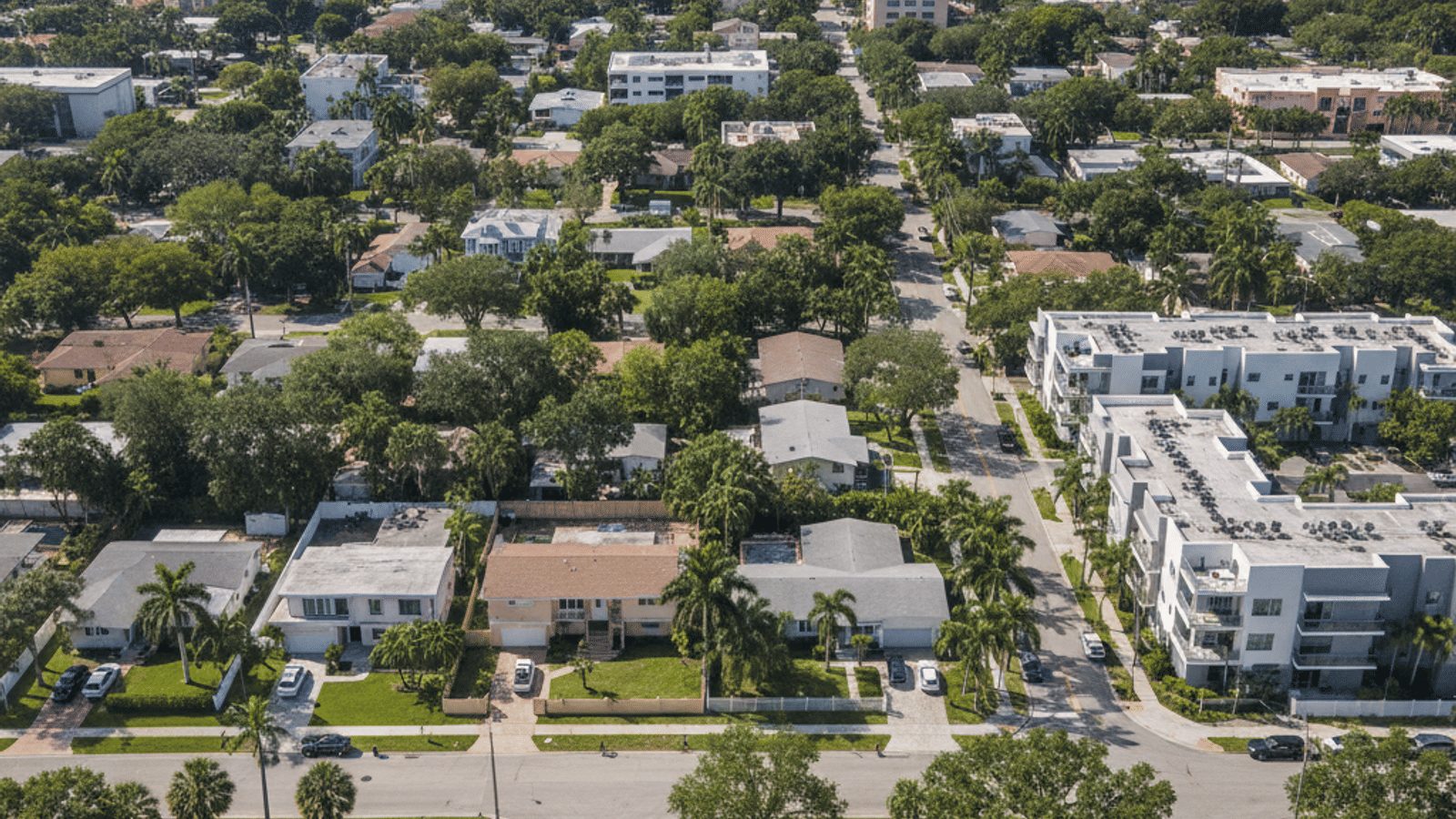
The real estate surrounding these dining corridors includes a diverse mix of property types. High-rise luxury condominiums dominate the immediate downtown blocks, while historic single-family homes sit just a few streets away in neighborhoods like Colee Hammock. Buyers who prioritize a walkable, urban lifestyle typically focus their search on properties within a ten-minute walk of the Las Olas corridor.
Local zoning laws have encouraged mixed-use development along these primary commercial arteries. This approach blends ground-floor retail spaces with upper-level residential units, creating a highly active streetscape. The constant influx of new culinary concepts and boutique storefronts ensures these districts remain the primary drivers of local commerce.
Proximity to Major Transportation Hubs
Connectivity to broader regional and international transit is a major factor for residents evaluating the area. Fort Lauderdale-Hollywood International Airport (FLL) sits just south of the downtown core and serves as a major hub for both domestic and international flights. Data from 2025 showed FLL handling approximately 32.2 million passengers, and that heavy volume has continued to support the local corporate real estate sector into this year.
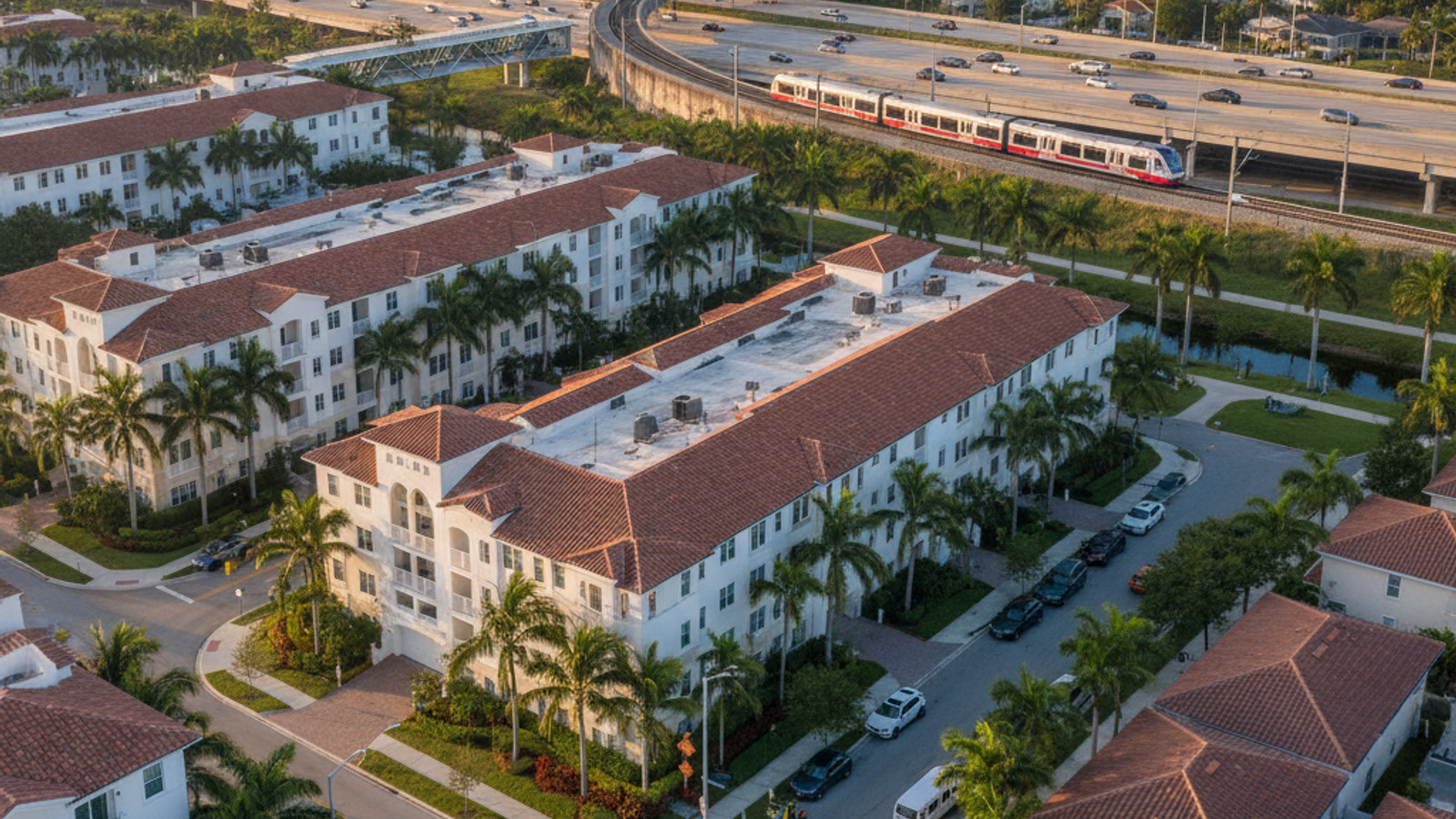
Ground transportation infrastructure includes the centralized Brightline station, which provides high-speed rail access across the state. The train connects local residents to Miami in under 40 minutes and takes approximately three hours to reach Orlando. This rail network has fundamentally shifted commuting patterns for residents who work across different South Florida counties.
The local water taxi network also functions as a highly practical transit option for residents navigating the downtown core. This maritime service operates scheduled stops along the New River and the Intracoastal Waterway. Utilizing the water taxi allows residents to bypass heavy seasonal road traffic while commuting between the beach and the central business district.
The Tri-Rail system offers an additional commuter option connecting Palm Beach, Broward, and Miami-Dade counties. Port Everglades operates as one of the busiest cruise terminals in the world, generating significant local economic activity and supporting regional employment. Properties located near these transit hubs maintain strong demand from frequent travelers and investors looking for highly accessible real estate.
Local road infrastructure relies heavily on Interstate 95 and the Florida Turnpike for north-south travel. The integration of these major highways with the local street grid allows for efficient movement between the western suburbs and the coastal districts. Buyers often calculate their daily commute times based on proximity to these primary highway on-ramps.
Real Estate Near Key Attractions
The local housing market is heavily segmented by proximity to the water and major cultural attractions. High-rise waterfront condos near the beach represent the upper tier of the market, with starting prices typically ranging from $500,000 to well over $2,000,000 depending on the view and amenities. These buildings often feature comprehensive HOA structures that cover exterior maintenance, resort-style pools, and 24-hour security.
Condominium assessments require careful review when purchasing older waterfront properties. Recent structural milestone inspections mandate that aging buildings maintain adequate reserve funds for concrete restoration and roof replacements. Buyers should factor these potential special assessments into their monthly carrying costs when evaluating high-rise inventory.
Moving inland toward the downtown core, the inventory shifts toward single-family homes and mid-rise townhouses. Properties situated directly on the canal systems carry a significant premium due to the scarcity of navigable water frontage. Access to the Intracoastal Waterway remains the single largest driver of property values in the eastern half of the city.
When purchasing property in Broward County, buyers must account for standard closing costs, including the local transfer tax. The county levies a documentary stamp tax on deeds, which currently calculates to $0.70 per $100 of the property value. Understanding these transaction costs is essential when budgeting for a home near the city’s primary recreational hubs.
Boating enthusiasts must also evaluate specific maritime constraints when viewing waterfront homes. Fixed bridges along certain canals limit the clearance height for larger vessels, directly impacting the utility of private docks. Verifying ocean access without fixed bridges is a critical step for buyers bringing large boats to their new property.
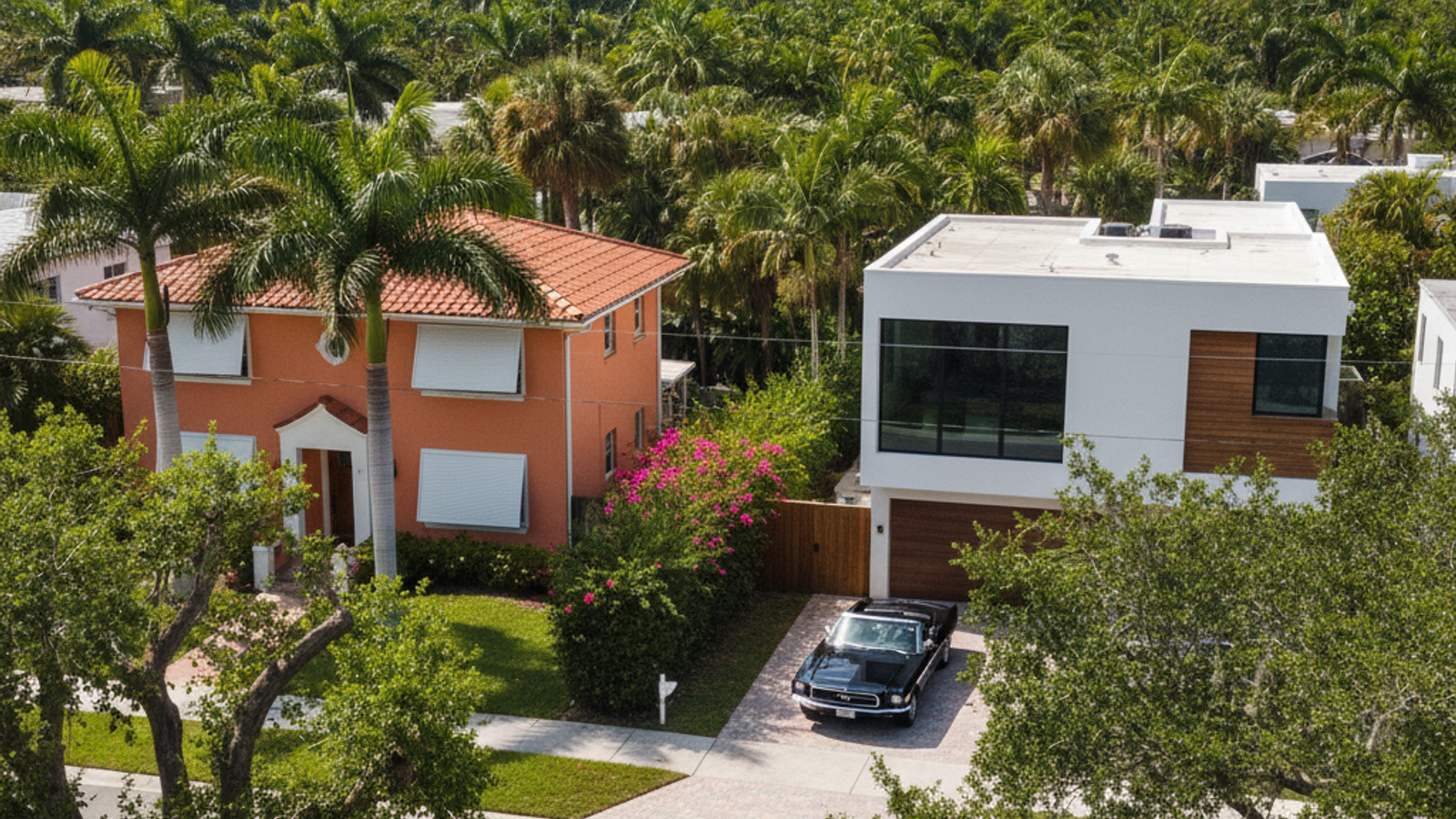
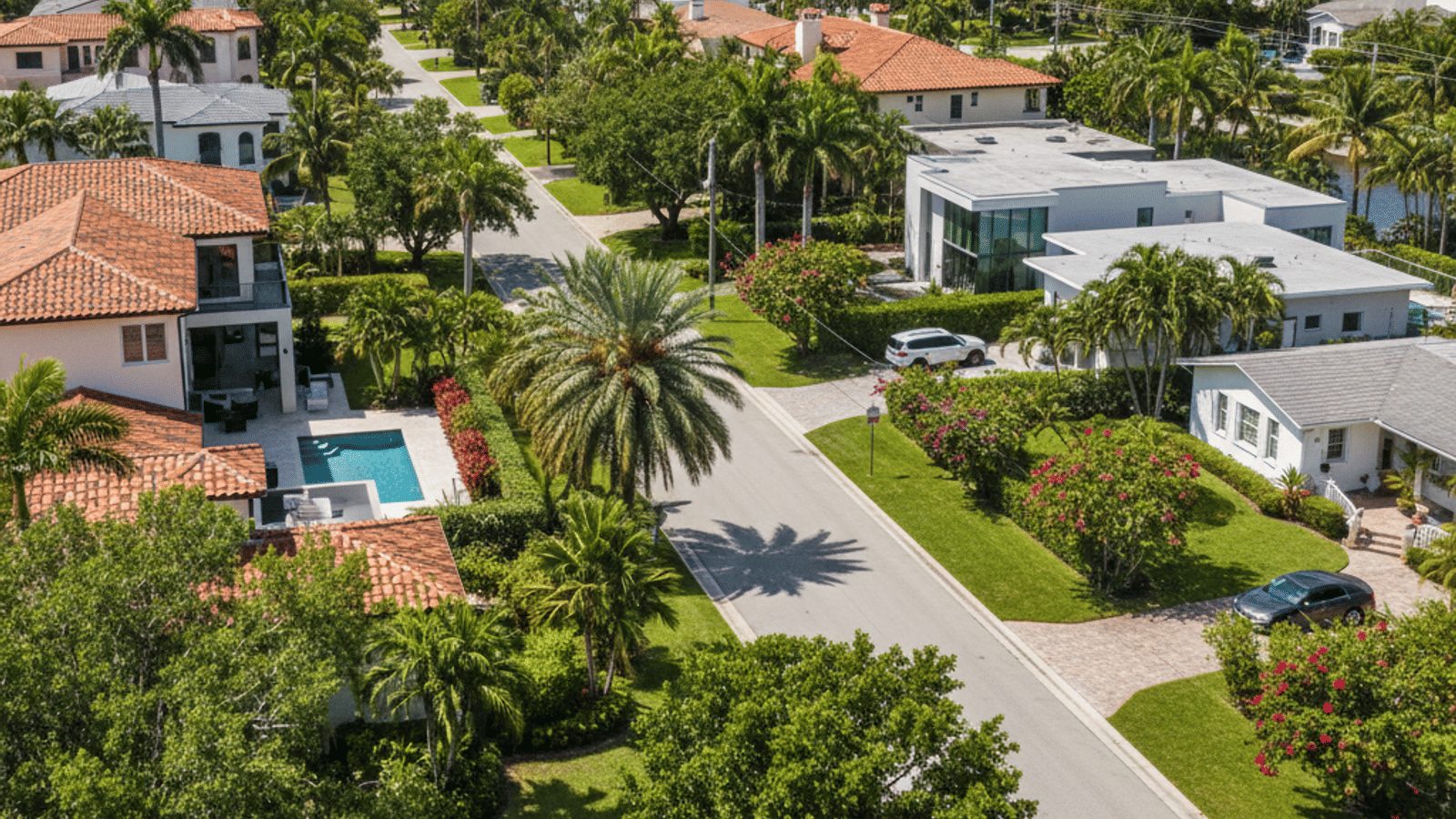
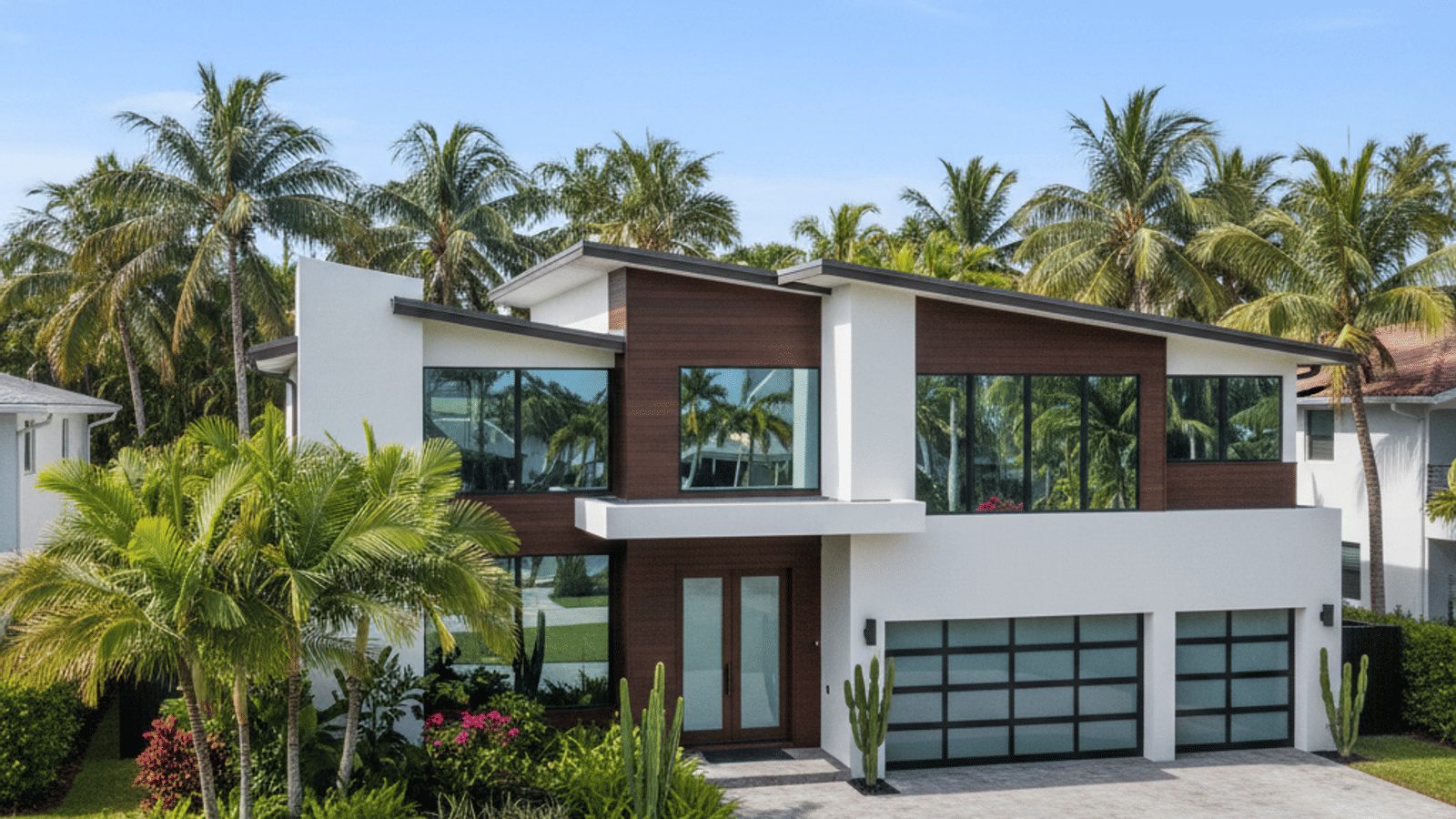
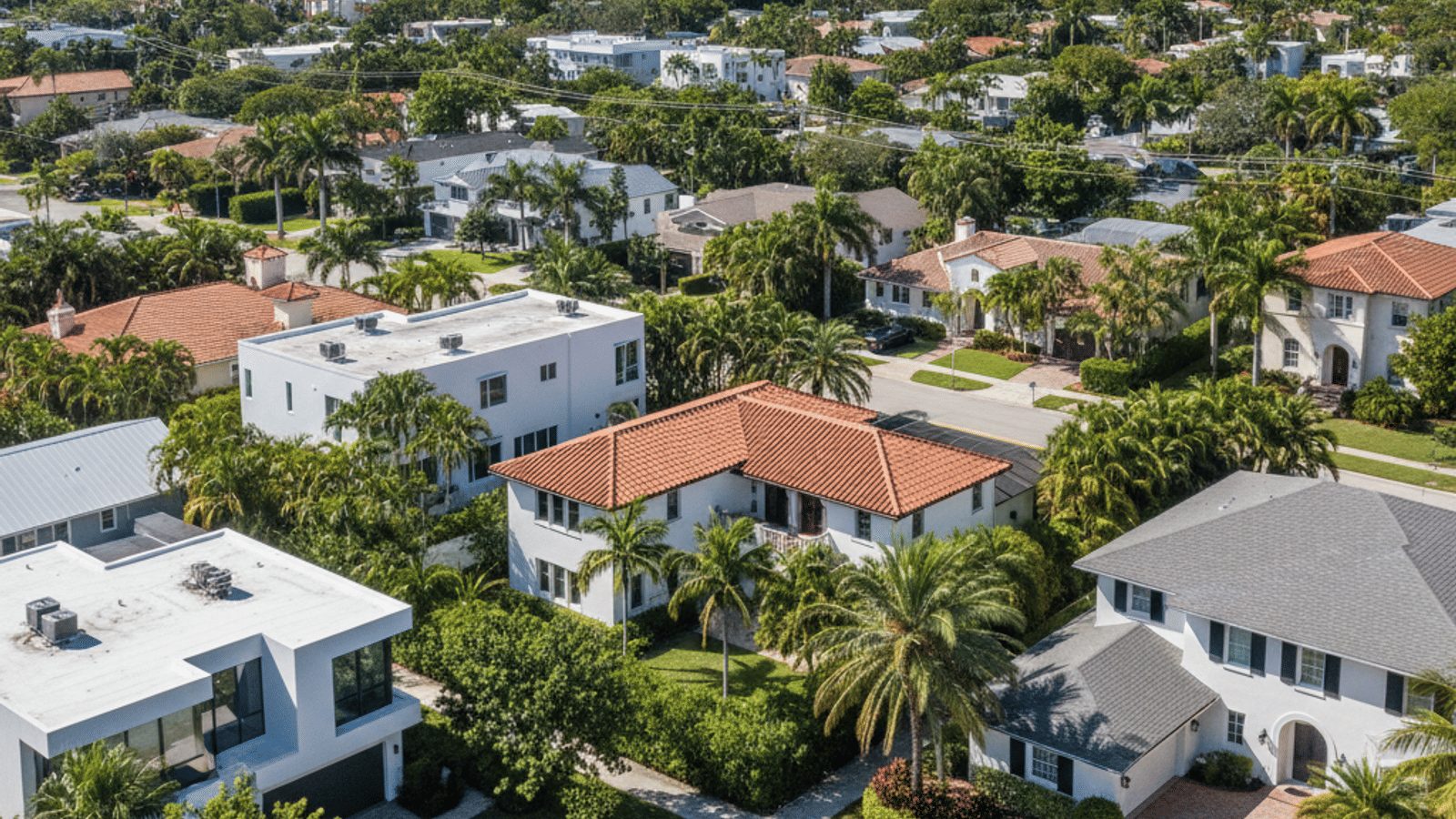
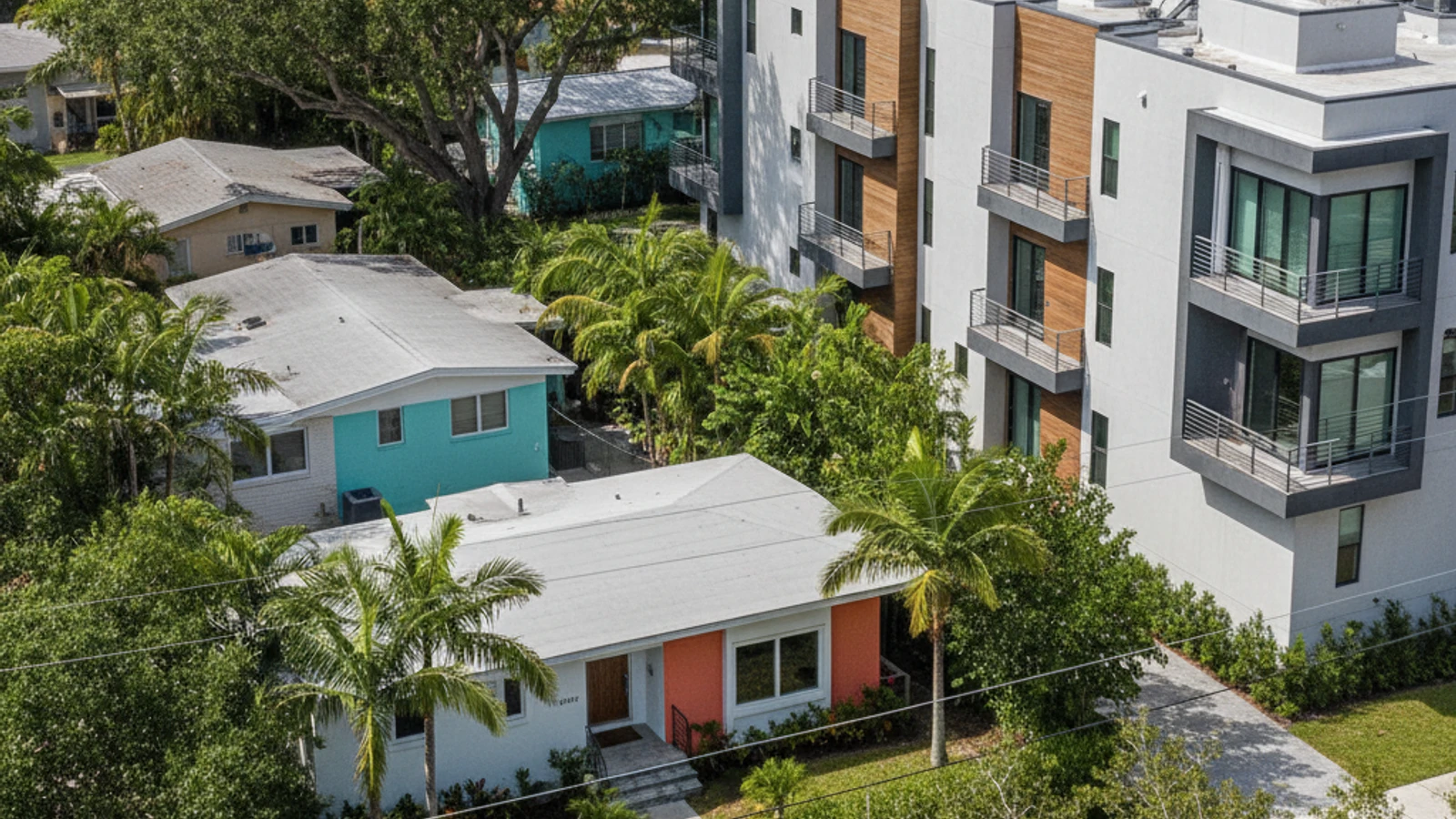
The architectural styles across these neighborhoods vary from mid-century modern renovations to new construction Mediterranean estates. Local building codes require strict adherence to hurricane mitigation standards, impacting the design and cost of new roof installations and impact-resistant windows. Buyers should always request recent inspection reports to verify the condition of these vital structural components.
Frequently Asked Questions
What water-based activities are available in Fort Lauderdale?
Residents and visitors have access to extensive boating, paddleboarding, and kayaking options along the 300 miles of inland canals. Local water taxis and private gondola rides provide regular transit and sightseeing along the New River. Oceanfront areas also offer designated zones for surfing and deep-sea fishing charters.
How long does it take to travel from Fort Lauderdale to Orlando via Brightline?
The high-speed Brightline train takes approximately three hours to travel from the downtown Fort Lauderdale station directly to Orlando. This 2026 schedule provides a highly reliable alternative to driving the Florida Turnpike for regional commuters. The route includes strategic stops in West Palm Beach and other major hubs along the eastern seaboard.
What are the primary public parks and outdoor spaces in the city?
Hugh Taylor Birch State Park serves as the largest coastal green space, offering 180 acres of trails and mangrove habitats. Flamingo Gardens provides a 60-acre botanical garden and wildlife sanctuary further inland for those seeking nature preserves. The city also maintains numerous neighborhood parks and an expansive two-mile beachfront promenade along the Atlantic Ocean.