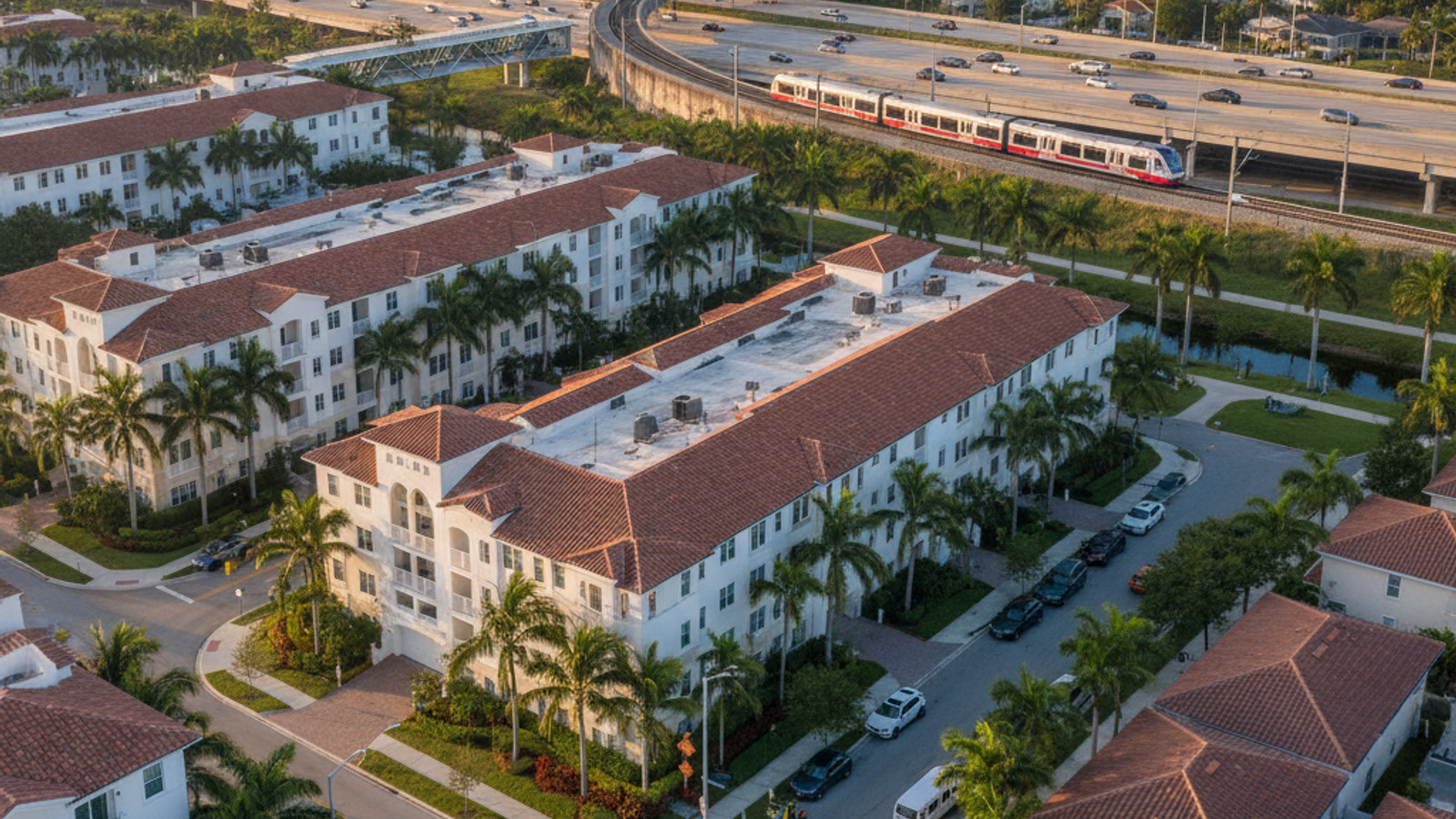
Finding the right home in South Florida requires understanding the regional transit map just as much as the local property market. Buyers evaluating commute times from Fort Lauderdale, FL, often discover that this city serves as the strategic geographic center of the region. Positioned squarely between Miami-Dade County to the south and Palm Beach County to the north, the area provides a flexible base for regional travel.
The daily logistics of getting to work or accessing major entertainment hubs will heavily influence your neighborhood choices. Residents working within the immediate local metro area enjoy an approximate median commute time of 26.4 minutes. Those heading across county lines face a very different reality, making it essential to compare highway driving against the expanding commuter rail networks.
An Overview of Commuting in Fort Lauderdale, FL
Fort Lauderdale operates as the central anchor of the South Florida tri-county area. This positioning gives residents the ability to reach employment centers in either neighboring county without committing to the extreme ends of the regional map.
Over the past few years, the commuting landscape has shifted noticeably. The expansion of high-speed rail and dedicated express lanes has introduced new variables into the daily travel equation. Choosing the right neighborhood often comes down to deciding whether you prefer immediate highway access or walking distance to a train station.
Living in Fort Lauderdale offers the best geographic leverage in South Florida, provided you map your daily route before making an offer on a property. Understanding these transit patterns is a crucial step in the home buying process.
Driving Times: Major Highways and Rush Hour Traffic
Interstate 95 and Florida’s Turnpike serve as the two primary north-south arteries moving traffic through Broward County. These highways carry the bulk of daily commuters traveling between Fort Lauderdale, Miami, and West Palm Beach. Both routes feature standard free lanes alongside variable-toll express lanes designed to keep traffic moving during peak congestion.
Standard rush hour windows for the region typically run from 6:00 AM to 10:00 AM and again from 4:00 PM to 7:00 PM. Travel times expand significantly during these blocks, turning relatively short geographic distances into lengthy drives.
Budgeting for express lane tolls is a practical necessity if you plan to drive across county lines every day. These toll prices fluctuate dynamically based on real-time congestion levels, meaning the cost of a faster trip rises exactly when you need it most. Relying solely on the free lanes of I-95 during peak hours is a mistake for daily commuters.
Average Commute Time from Fort Lauderdale to Miami
The drive south to Miami covers approximately 28 miles of heavily traveled interstate. Under optimal, off-peak traffic conditions, drivers can expect this trip to take 40 to 45 minutes. Late-night or midday travel generally falls into this baseline window.
Rush hour conditions change this calculation dramatically, with commuters typically facing 60 to 90 minutes on the road. The Golden Glades interchange stands as a major chokepoint on this route, occasionally pushing travel times past the 90-minute mark. Drivers should always check real-time GPS data before departing.
Commuting North: Boca Raton and West Palm Beach
Professionals heading north into Palm Beach County generally experience slightly lighter traffic patterns than those driving south. Boca Raton operates as a closer employment hub, requiring a 30 to 45-minute drive during peak hours. Interstate 95 provides the most direct route for coastal employment centers, while Florida’s Turnpike favors destinations further inland.
Traveling all the way to West Palm Beach requires a longer commitment. Off-peak drives take roughly 50 minutes, but rush hour traffic extends the trip to 60 to 80 minutes.
Public Transportation Options in Broward County
Regional infrastructure investments have firmly connected all three major South Florida counties via rail. This expansion offers a viable alternative to the daily unpredictability of highway traffic. Commuter rail systems are rapidly changing how residents navigate the region, allowing professionals to reclaim hours of lost time.
Broward County Transit provides a localized bus network that acts as a connector between residential areas and these major rail hubs. The transition toward train travel is the biggest change in local real estate, making walking distance to a station a premium asset.
Buyers relocating to the area often prioritize transit access over traditional highway proximity. Having a reliable, fixed-time commute removes the stress of variable traffic delays. This certainty is driving increased demand for properties located near established transit corridors.
Brightline Train Schedule and Commute Times
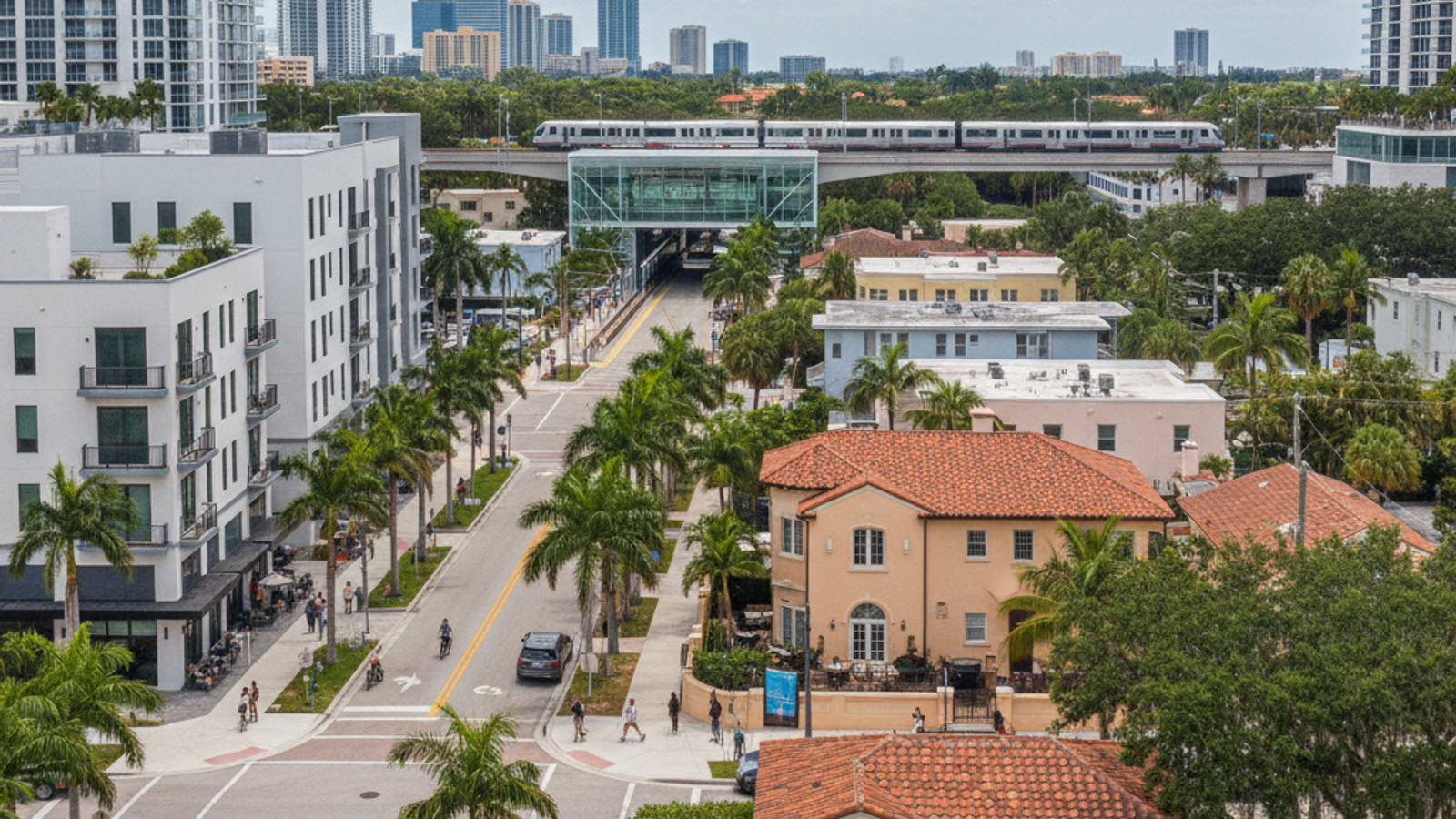
The high-speed Brightline service operates out of a dedicated station in downtown Fort Lauderdale. This premium rail option provides a comfortable, predictable commute with trains running on an hourly schedule.
Travel times on the Brightline are highly efficient, taking just 38 minutes to reach Miami and 41 minutes to arrive in West Palm Beach. SMART fares generally start around $23 to $39 per segment, depending on how far in advance you purchase the ticket. Many daily and weekly commuters utilize specialized passes to manage these transit costs effectively.
Tri-Rail Routes, Station Locations, and Fares
Tri-Rail serves as the cost-effective commuter rail option running parallel to I-95 along the western side of the coastal ridge. The system features a zone-based fare structure, with one-way tickets ranging from $2.50 to $8.75. Weekend travelers can also take advantage of a flat $5.00 rate for regional trips.
The network provides a direct connection to Miami International Airport, making it highly useful for frequent flyers. A major 2024 expansion directly into the downtown MiamiCentral station drastically improved the system’s utility for urban commuters. This historical upgrade allows Tri-Rail passengers to reach the urban core without relying on secondary transfer routes.
Real Estate Considerations: Neighborhoods and Transit Access
Specific property types and neighborhoods in Fort Lauderdale offer distinctly different commuting advantages. The distance between your front door and the nearest transit hub plays a massive role in your daily routine. Homes located within a one to two-mile radius of downtown stations provide a completely different transit experience than suburban properties further west.
Proximity to these transportation centers directly influences property values across the city. Paying slightly more for transit proximity often offsets the financial and mental costs of a long highway commute.
Evaluating these neighborhood dynamics requires balancing your housing budget against your tolerance for driving. A highly walkable urban condo will price out differently than a single-family home requiring a short drive to the station. Understanding these trade-offs helps narrow down the property search.
Downtown Condos vs. Victoria Park Single-Family Homes
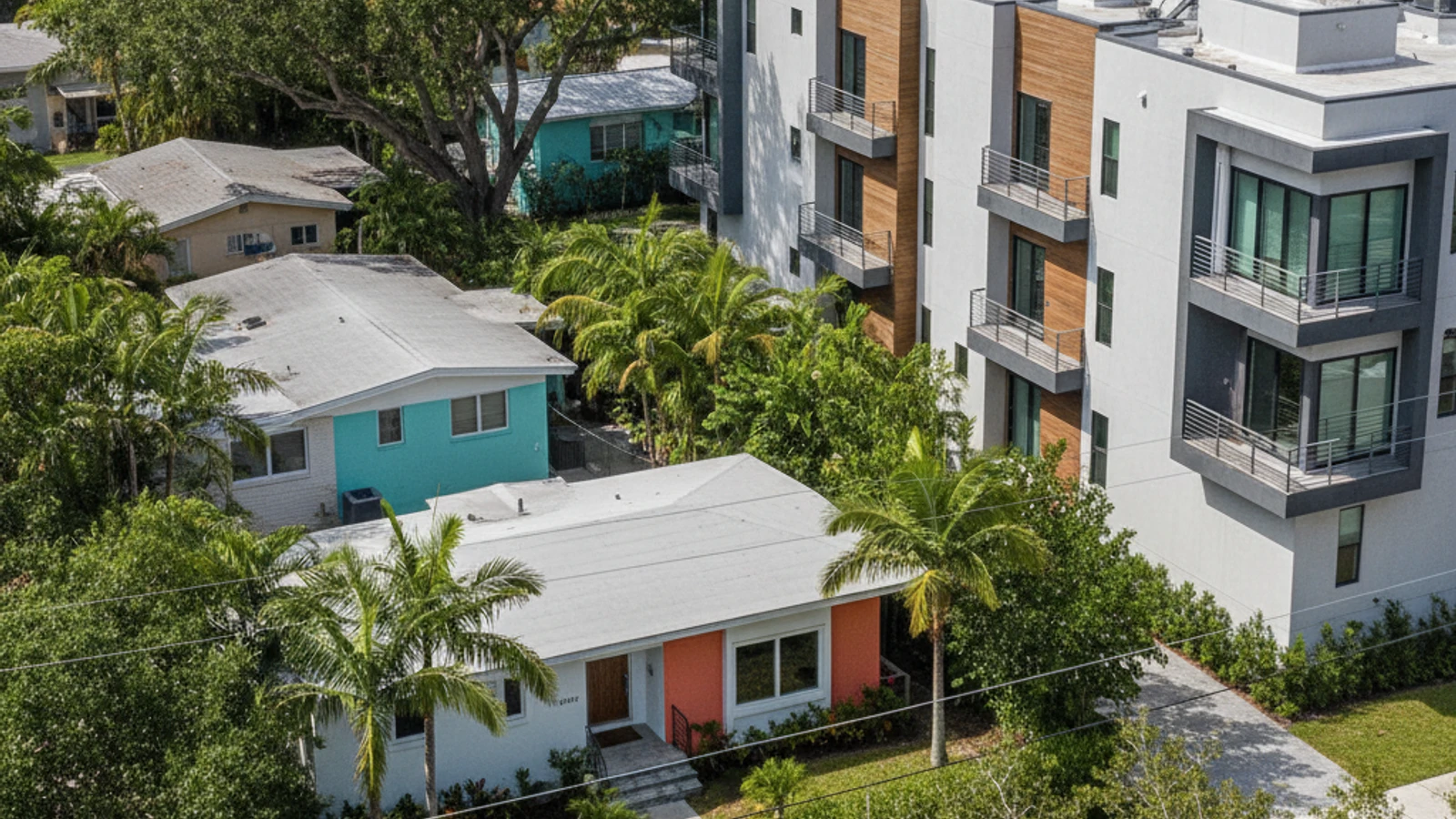
High-density downtown living offers the most seamless commuting experience in the city. Downtown condos provide immediate, walkable access to the Brightline station and local bus loops. Residents in these buildings can often navigate their daily routines without needing to pull a car out of a parking garage.
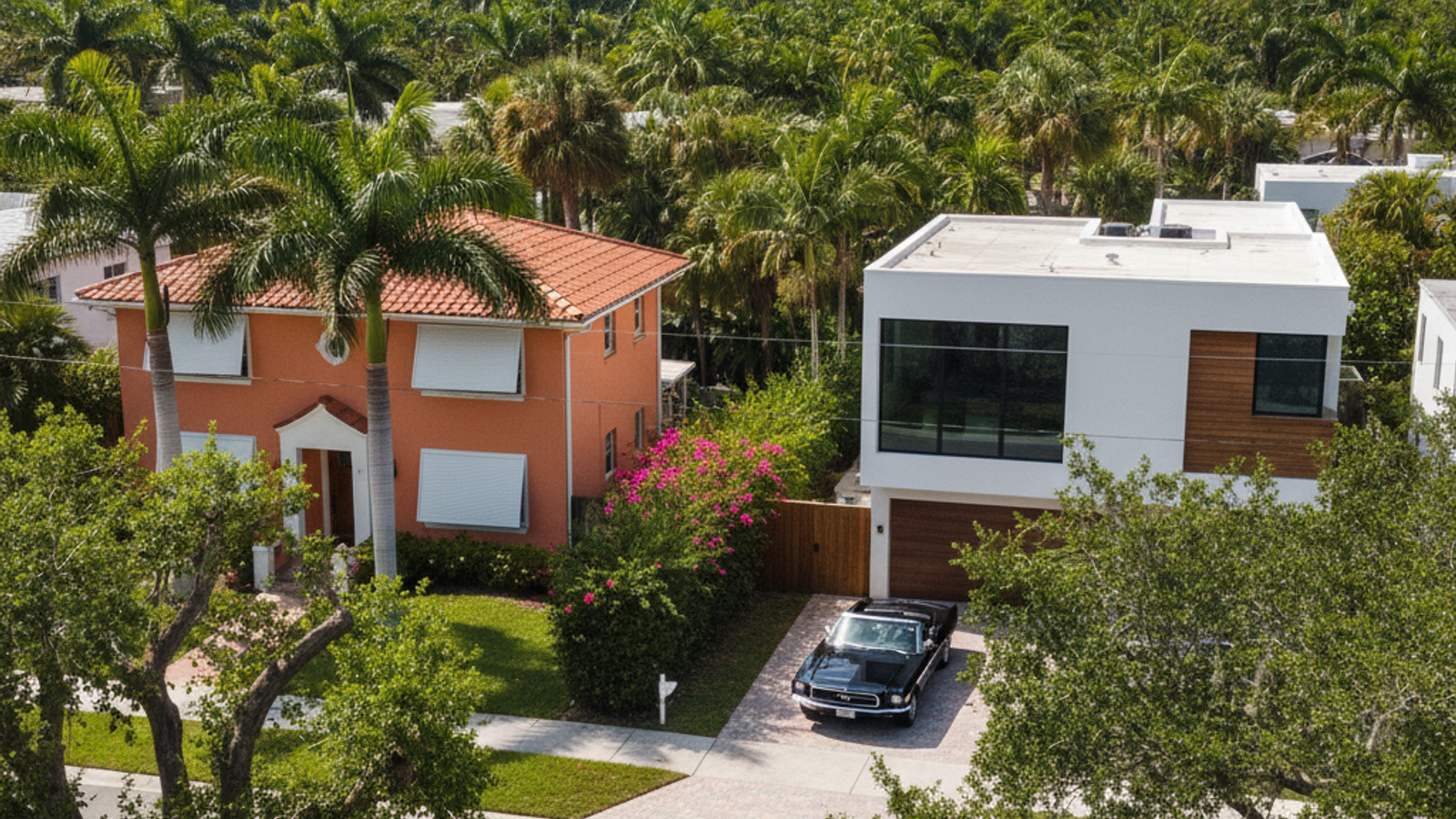
Just to the east, Victoria Park offers larger property footprints and single-family zoning. This neighborhood remains incredibly convenient, typically requiring just a 5 to 10-minute drive or bike ride to reach US-1 and downtown transit hubs. Buyers must weigh the benefits of walkable transit access against the desire for property size and the absence of high-rise homeowner associations.
Proximity to Fort Lauderdale-Hollywood International Airport (FLL)
Frequent flyers benefit greatly from the geographic location of Fort Lauderdale-Hollywood International Airport. Situated just south of the city center, FLL is highly accessible from the primary residential and commercial districts. The drive time from central Fort Lauderdale, including areas like Victoria Park or Las Olas, is typically a brief 10 to 15 minutes.
This close proximity eliminates the need for lengthy airport transfers or expensive long-distance ride-shares. Additionally, the airport connects directly to the regional transit network via a free Tri-Rail shuttle at the Fort Lauderdale Airport Station. This setup makes the city an excellent base for professionals who travel out of state regularly.
Frequently Asked Questions About Fort Lauderdale Commuting
Can you commute from Fort Lauderdale to Miami daily?
Yes, thousands of residents make this daily trip using either major highways or regional rail systems. Driving the 28-mile route takes 60 to 90 minutes during peak rush hour traffic. Many daily commuters prefer using the Brightline or Tri-Rail to guarantee a predictable, traffic-free travel time.
What time does rush hour start in Fort Lauderdale?
Morning rush hour typically begins building around 6:00 AM and remains heavy through 10:00 AM. The evening peak congestion window starts near 4:00 PM and generally clears up by 7:00 PM. Traveling outside of these specific hours significantly reduces travel times on I-95 and Florida’s Turnpike.
What is considered a reasonable commute time in South Florida?
A reasonable commute largely depends on whether you work locally or across county lines. The median commute time for residents staying within the immediate Fort Lauderdale area is approximately 26.4 minutes. Regional commutes to Miami or West Palm Beach regularly exceed 60 minutes, which is standard for cross-county travel in this market.